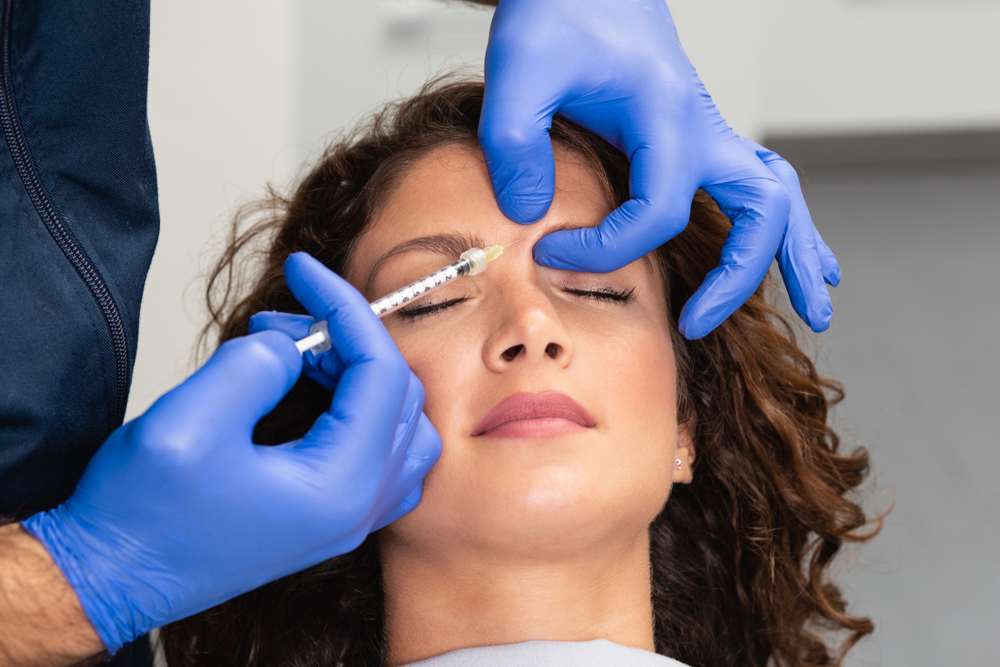
Dermal Fillers: The Art and Science of Natural-Looking Volume

Heading 2

Lorem ipsum dolor sit amet, consectetur adipisicing elit. Nostrum minus ea suscipit porro alias corporis libero at. Perferendis omnis, veniam nemo beatae vel? Tempora numquam a repellat eaque natus, magnam?

Heading 2

Lorem ipsum dolor sit amet, consectetur adipisicing elit. Autem ipsum mollitia neque, illum illo excepturi, eum incidunt fugit nostrum est, voluptate eaque minima corporis debitis at, dolores ipsam. Quaerat, dolores.

Heading 2

Lorem ipsum dolor sit amet, consectetur adipisicing elit. Autem ipsum mollitia neque, illum illo excepturi, eum incidunt fugit nostrum est, voluptate eaque minima corporis debitis at, dolores ipsam. Quaerat, dolores.

Heading 2

Lorem ipsum dolor sit amet, consectetur adipisicing elit. Autem ipsum mollitia neque, illum illo excepturi, eum incidunt fugit nostrum est, voluptate eaque minima corporis debitis at, dolores ipsam. Quaerat, dolores.

Heading 2

Lorem ipsum dolor sit amet, consectetur adipisicing elit. Autem ipsum mollitia neque, illum illo excepturi, eum incidunt fugit nostrum est, voluptate eaque minima corporis debitis at, dolores ipsam. Quaerat, dolores.

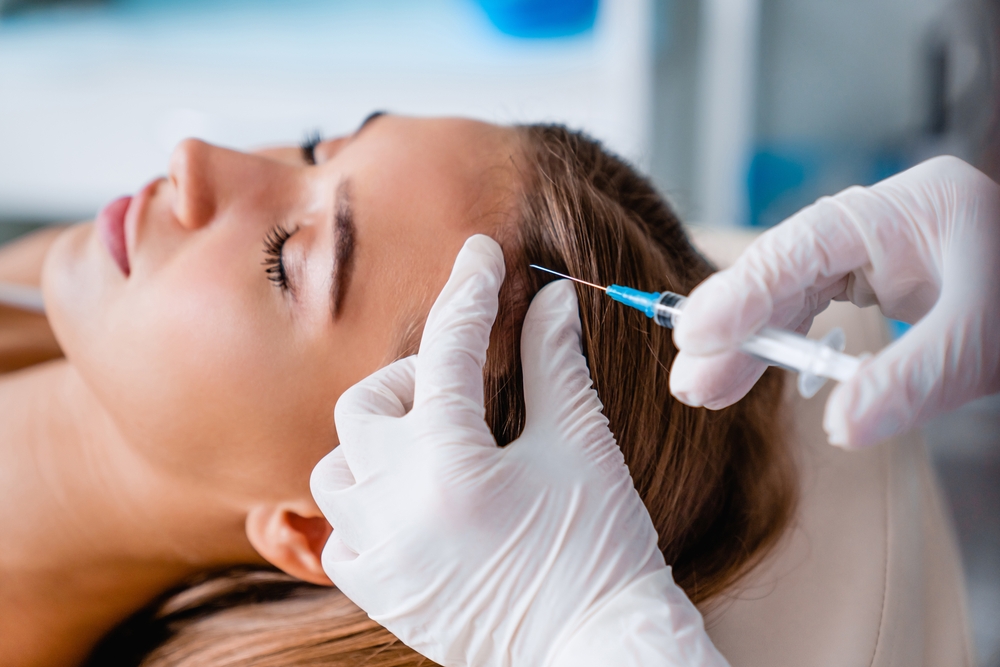
Dermal fillers have transformed the field of aesthetic medicine, offering excellent results for improving volume loss, facial lines, and contouring without the need for surgery. Many patients seek fillers because they want to look refreshed and natural, not dramatically different or “done.”

The goal of today’s filler treatments is to enhance your existing features while maintaining facial harmony and balance. Keep reading to learn more about the art and science behind natural-looking volume with dermal fillers.

What Are Dermal Fillers?

Dermal fillers are injectable substances designed to restore volume, smooth lines, and enhance facial contours. These gel-like formulations are strategically placed beneath the skin’s surface to address various concerns related to aging and facial aesthetics.

Most modern fillers are made from hyaluronic acid (HA), a naturally occurring substance in your skin that helps maintain hydration and volume. Other filler types include calcium hydroxylapatite, poly-L-lactic acid, and polymethylmethacrylate (PMMA), each with specific and unique properties that may make them better for different treatment areas.

The fillers that are around today are very versatile, allowing your dermatologist or aesthetic provider to create customized treatment plans based on your specific concerns and goals. Your dermatologist at Calkin & Boudreaux can help determine which filler type is most appropriate for your needs.

How Do Dermal Fillers Work?

Fillers function by physically adding volume to areas where natural tissue has diminished over time. This volume replacement can restore a more youthful contour, which tends to gradually change with age.

Beyond simply adding volume, many hyaluronic acid fillers also attract and bind water molecules, creating a plumping effect that enhances hydration in the treated areas. Some fillers additionally stimulate collagen production, providing both immediate volume enhancement and longer-term improvement in skin quality and structure.

Jacqueline Calkin, MD, a board-certified dermatologist at Calkin | Boudreaux, a Golden State Dermatology affiliate, explains the evolution of filler treatments:

“The approach to dermal fillers has undergone a remarkable transformation over the past decade, shifting from simply filling lines to strategic volume replacement that respects facial anatomy. We now understand that natural-looking results come from addressing the underlying structural changes of aging rather than just surface wrinkles. This comprehensive understanding allows us to create subtle enhancements that look natural from every angle and expression, which is always our primary goal when developing treatment plans for our patients.”

Common Treatment Areas for Dermal Fillers

Dermal fillers are very versatile, so they are able to address multiple areas of facial aging and enhancement. The mid-face region, including cheeks and tear troughs, often experiences significant volume loss with age that can be effectively restored with strategic filler placement.

Lip enhancement remains among the most requested filler treatments, with modern techniques focusing on natural definition and subtle volume rather than obvious enlargement. Nasolabial folds (smile lines), marionette lines, and jawline definition are additional areas where fillers can provide significant improvement with minimal downtime.

Temples and hands are often overlooked areas that can show significant signs of aging through volume loss. Adding fillers to these regions can create a more comprehensive rejuvenation effect that complements facial treatments.

What Happens During a Consultation Appointment for Dermal Fillers?

A thorough consultation should be the first step in your filler journey. During this appointment, your provider will assess your facial anatomy, discuss your aesthetic goals, and develop a treatment plan tailored to your needs.

Be prepared to discuss your medical history, including any previous cosmetic procedures and medications you take regularly. This information helps ensure your safety and optimal results from your treatment.

Photos may be taken during your consultation to document your pre-treatment appearance and assist with treatment planning. These images serve as an important reference point for both you and your provider when evaluating your results.

Yen Vo, RN, at Golden State Dermatology in Torrance, emphasizes the importance of the consultation process:

“The consultation is perhaps the most crucial part of the filler treatment process, as it allows us to align expectations and develop a personalized treatment plan. I always take time to understand not just what areas patients want to address, but also how they want to feel when looking in the mirror. This deeper understanding helps me create natural-looking results that enhance their confidence while preserving their unique features. The artistry of fillers lies in knowing not just where to add volume, but also where to show restraint.”

What to Expect During Your Filler Treatment

Most appointments take between 30-60 minutes, depending on the areas being treated, and are generally a comfortable experience. First, your provider will cleanse the treatment area thoroughly before making a series of precise injections according to your customized treatment plan.

Recovery and Immediate Aftercare

One of the benefits of filler treatments is the modest downtime required afterward. Most patients are physically able to their normal activities immediately, though socially, some people prefer to wait. With fillers, swelling and bruising should be expected.

Avoiding strenuous exercise, alcohol consumption, and blood-thinning medications for 24-48 hours can help minimize bruising and swelling after your treatment. Your provider at Calkin & Boudreaux will give you specific instructions based on your treatment areas and the type of filler used. Applying cold compresses intermittently during the first 24 hours can help reduce swelling at the injection sites.

While you’ll notice immediate volume enhancement after your filler treatment, the final results typically emerge over the following two weeks. This gradual settling period allows the filler to integrate naturally with your tissues and any initial swelling to subside.

Are Dermal Fillers Right for You?

Ideal candidates for dermal fillers are healthy individuals seeking to address specific volume loss concerns or enhance certain facial features. The best results come from a clear understanding of your goals and realistic expectations about what fillers can achieve.

A personalized consultation with a provider at Calkin & Boudreaux can help determine whether fillers are the right option for your aesthetic concerns. Sometimes, alternative or complementary treatments may be recommended based on your specific needs.

Dermal fillers can be beneficial for patients of various ages, from younger individuals seeking preventative approaches to more mature patients addressing established signs of aging. Your provider can tailor recommendations to your age, skin condition, and aesthetic priorities.

Schedule Your Dermal Filler Consultation

Dermal fillers offer a safe, effective option for restoring youthful volume and contours without surgery or significant downtime. The key to natural-looking results lies in both the science of the products used and the artistic approach of your provider.

The team at Calkin & Boudreaux combines technical expertise with an artistic eye to deliver filler results that enhance your natural beauty rather than changing your appearance. This balanced approach ensures you look like a refreshed version of yourself, not like someone else entirely.

If you have questions about your skin, schedule an appointment at Calkin & Boudreaux today!
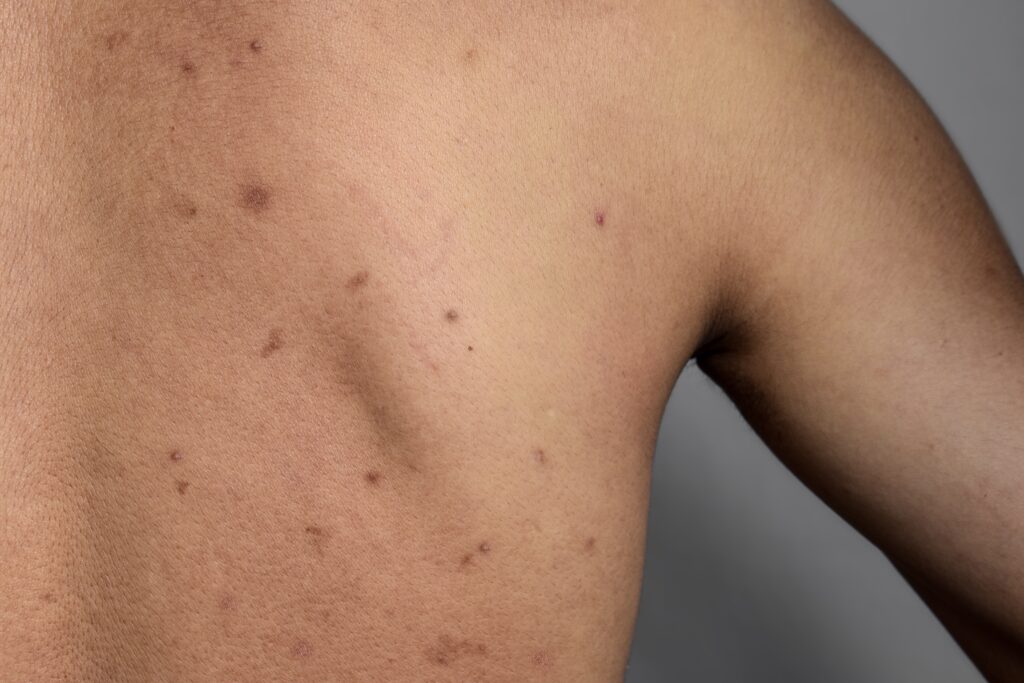
8 Surprising Places People Forget to Apply Sunscreen

Heading 2

Lorem ipsum dolor sit amet, consectetur adipisicing elit. Nostrum minus ea suscipit porro alias corporis libero at. Perferendis omnis, veniam nemo beatae vel? Tempora numquam a repellat eaque natus, magnam?

Heading 2

Lorem ipsum dolor sit amet, consectetur adipisicing elit. Autem ipsum mollitia neque, illum illo excepturi, eum incidunt fugit nostrum est, voluptate eaque minima corporis debitis at, dolores ipsam. Quaerat, dolores.

Heading 2

Lorem ipsum dolor sit amet, consectetur adipisicing elit. Autem ipsum mollitia neque, illum illo excepturi, eum incidunt fugit nostrum est, voluptate eaque minima corporis debitis at, dolores ipsam. Quaerat, dolores.

Heading 2

Lorem ipsum dolor sit amet, consectetur adipisicing elit. Autem ipsum mollitia neque, illum illo excepturi, eum incidunt fugit nostrum est, voluptate eaque minima corporis debitis at, dolores ipsam. Quaerat, dolores.

Heading 2

Lorem ipsum dolor sit amet, consectetur adipisicing elit. Autem ipsum mollitia neque, illum illo excepturi, eum incidunt fugit nostrum est, voluptate eaque minima corporis debitis at, dolores ipsam. Quaerat, dolores.

We all know the importance of applying sunscreen to our face, shoulders, and back when heading outdoors. But did you know that many common skin cancer spots develop in areas that most people routinely miss when applying sun protection? Even the most diligent sunscreen users often overlook certain body parts, leaving them vulnerable to harmful UV radiation.

Keep reading to discover the surprising places you might be forgetting to apply sunscreen and learn how to ensure complete protection against skin cancer!

Why Missed Spots Matter

When it comes to sun protection, consistency and thoroughness are key factors in preventing skin cancer. Even small, overlooked areas can develop serious skin damage over time from repeated sun exposure. These forgotten spots often receive just as much sun exposure as more obvious areas but don’t get the protection they need.

Our dermatologists at Calkin & Boudreaux regularly treat skin cancers in these commonly forgotten areas. Many patients are surprised to learn that their diligent sunscreen application wasn’t as complete as they thought.

1. The Ears

The ears are among the most common places where skin cancer develops, yet many people forget to apply sunscreen to this area. Their protruding nature makes ears especially vulnerable to UV radiation from multiple angles, increasing their risk of sun damage.

Men with short haircuts and people who wear their hair up frequently are particularly susceptible to ear-related skin cancers.

Elizabeth Wang, MD, at Golden State Dermatology, highlights the importance of protecting your ears:

“Many of my patients are surprised when I diagnose skin cancer on their ears, as they hadn’t considered this area high-risk. The cartilage shape of ears actually creates multiple surfaces that can trap and intensify UV rays, making thorough protection essential. I recommend applying a mineral-based sunscreen specifically to the entire ear—including behind the ear and the ear canal entrance—and wearing wide-brimmed hats for additional protection. This simple addition to your sun protection routine can significantly reduce your risk of developing skin cancers in this vulnerable area.”

2. The Scalp and Part Lines

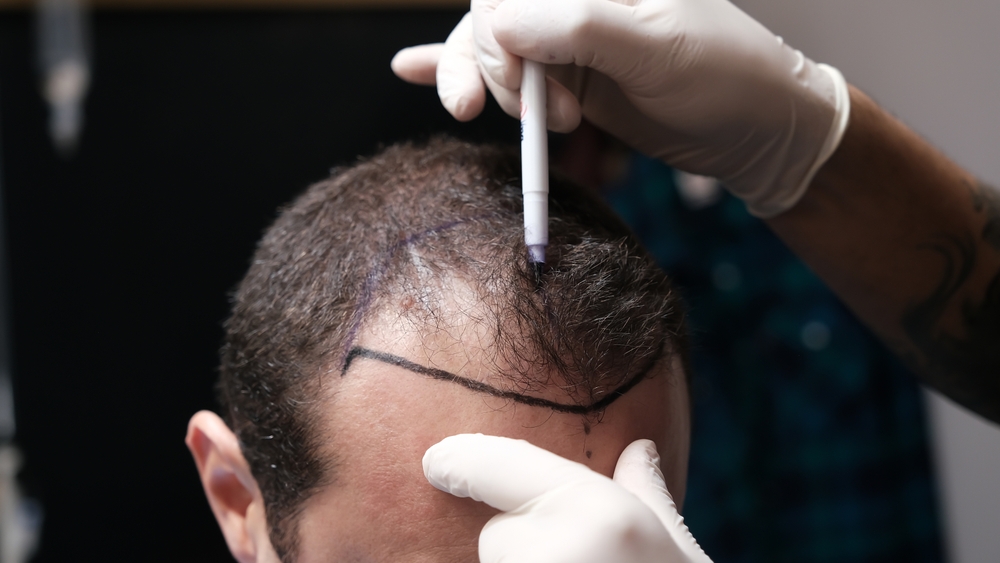
Your scalp is directly exposed to the sun’s rays, particularly if you have thinning hair or part your hair consistently in the same place. Many people overlook applying sunscreen to their scalp due to concerns about making their hair greasy or difficulty with application.

Part lines create a direct path for UV rays to reach the scalp skin, and these narrow strips of exposed skin can develop significant damage over time. For those with hair loss or thinning hair, the risk is even greater as larger areas of the scalp receive direct sunlight throughout the day.

3. The Tops of the Feet

During warm weather, many people wear sandals or go barefoot, exposing the tops of their feet to direct sunlight. Despite this exposure, the feet are one of the most commonly forgotten areas when applying sunscreen. The skin on the tops of feet is thin and often has little natural protection from melanin, making it particularly vulnerable to UV damage.

People often apply sunscreen before putting on footwear and forget to reapply when they switch to sandals later in the day. This oversight can leave the feet completely unprotected during peak sun hours.

4. The Lips

The lips have thin skin with minimal melanin protection, making them highly susceptible to UV damage. Many people focus on facial sunscreen but forget that their lips need specific protection too. Regular lipstick or lip gloss typically doesn’t provide adequate sun protection and may actually increase damage by attracting more UV rays to the lips.

Skin cancers on the lips, particularly the lower lip, which receives more direct sunlight, can be aggressive and require extensive treatment. Using a dedicated lip balm with SPF 30 or higher is essential for complete sun protection.

5. The Eyelids and Around the Eyes

The skin around the eyes is the thinnest on the body, making it particularly vulnerable to UV damage and premature aging. Many people intentionally avoid applying sunscreen near their eyes due to concerns about stinging or irritation. Special sunscreen formulations designed for the eye area can provide protection without irritation. Wearing UV-protective sunglasses also helps shield this sensitive area from harmful rays.

6. The Hands

Our hands receive more cumulative sun exposure than almost any other body part due to their constant use in outdoor activities. Despite this, many people forget to apply sunscreen to their hands or wash it off after handwashing without reapplying.

The backs of the hands, in particular, have thin skin that shows signs of sun damage and aging quickly. Regular application of sunscreen to the hands and keeping a small sunscreen tube in your car or bag for reapplication can help protect this high-exposure area.

7. The Neck and Chest Area

The neck and upper chest receive significant sun exposure, especially for people who wear V-neck or scoop-neck clothing. Many people apply sunscreen to their face but stop at the jawline, leaving the neck and chest vulnerable.

The thin skin in these areas shows signs of sun damage more quickly than other body parts. Extending your facial sunscreen application to include your neck and chest can prevent these issues.

Jeffrey So, PA-C, at Golden State Dermatology, shares this insight with patients:

“In my practice, I see a distinct line of sun damage that often appears at the base of the neck or upper chest area, marking where patients typically stop their sunscreen application. This pattern of damage, which dermatologists sometimes call the ‘necklace line,’ is completely preventable with proper sunscreen habits. I always recommend thinking of your sun protection routine as extending to your entire exposed skin, not just your face. When applying your morning skincare, use the ‘rule of twos’—two finger-lengths of sunscreen for your face, another two for your neck, and two more for your exposed chest area to ensure complete protection against premature aging and skin cancer risk.”

8. Behind the Knees and Under Arm Areas

The backs of the knees and underarm areas may seem like they don’t get much sun, but during activities like swimming, gardening, or certain sports, these areas can receive significant exposure. The skin in these areas tends to be thinner and more sensitive, making it more susceptible to damage when it does receive UV radiation.

People rarely think to apply sunscreen to these hidden joints, but they can be surprisingly exposed during everyday activities. Remember these easily overlooked spots when applying sun protection, especially before physical activities outdoors.

Tips for Complete Sunscreen Coverage

To ensure you’re protecting all areas of your body, consider applying sunscreen before getting dressed so you can more easily reach all areas. Use a systematic approach, working from head to toe without skipping any regions. Remember that spray sunscreens, while convenient, often result in uneven application and missed spots.

Set a timer to remind yourself to reapply sunscreen every two hours of sun exposure, and always reapply after swimming or excessive sweating. Consider using a mirror to help apply sunscreen to hard-to-see areas like the back of the neck or behind the ears.

Schedule Your Consultation Today

Regular skin checks are essential for catching any potential skin cancers early, especially in these commonly missed areas. Our dermatologists recommend annual full-body skin examinations to identify any suspicious spots that might otherwise go unnoticed.

If you have questions about your skin, schedule an appointment at Calkin & Boudreaux today!
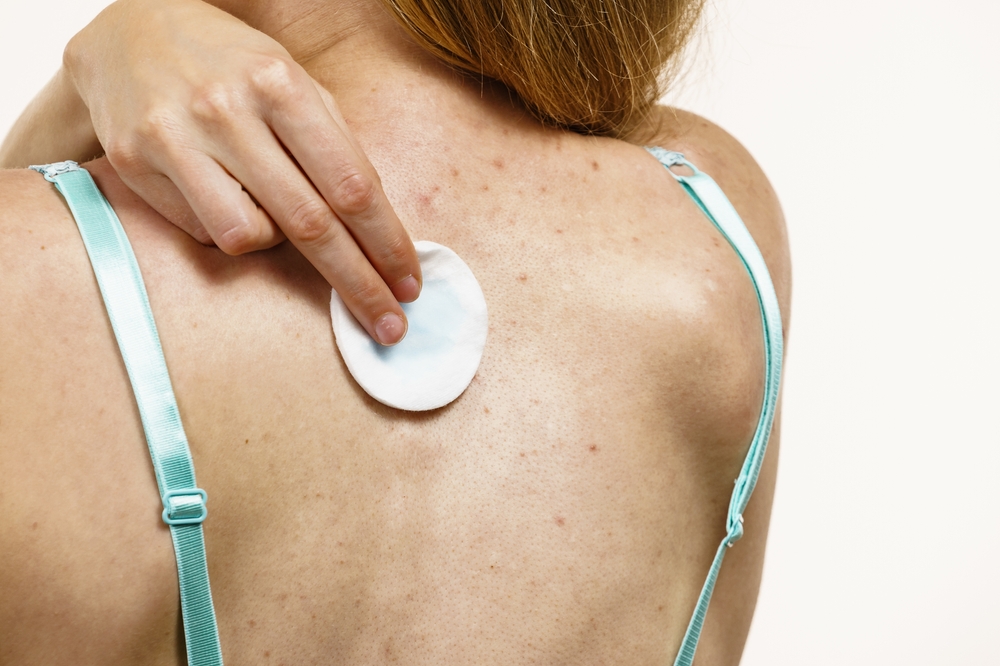
5 Ways to Stay Bikini Ready Year-Round

Heading 2

Lorem ipsum dolor sit amet, consectetur adipisicing elit. Nostrum minus ea suscipit porro alias corporis libero at. Perferendis omnis, veniam nemo beatae vel? Tempora numquam a repellat eaque natus, magnam?

Heading 2

Lorem ipsum dolor sit amet, consectetur adipisicing elit. Autem ipsum mollitia neque, illum illo excepturi, eum incidunt fugit nostrum est, voluptate eaque minima corporis debitis at, dolores ipsam. Quaerat, dolores.

Heading 2

Lorem ipsum dolor sit amet, consectetur adipisicing elit. Autem ipsum mollitia neque, illum illo excepturi, eum incidunt fugit nostrum est, voluptate eaque minima corporis debitis at, dolores ipsam. Quaerat, dolores.

Heading 2

Lorem ipsum dolor sit amet, consectetur adipisicing elit. Autem ipsum mollitia neque, illum illo excepturi, eum incidunt fugit nostrum est, voluptate eaque minima corporis debitis at, dolores ipsam. Quaerat, dolores.

Heading 2

Lorem ipsum dolor sit amet, consectetur adipisicing elit. Autem ipsum mollitia neque, illum illo excepturi, eum incidunt fugit nostrum est, voluptate eaque minima corporis debitis at, dolores ipsam. Quaerat, dolores.

Achieving and maintaining bikini-ready skin doesn’t happen overnight. However, committing year-round to consistent and proper skincare habits can help. Many people seek last-minute solutions for skin concerns just weeks before beach season, often unaware that the most effective skin treatments require planning months in advance.

Healthy, glowing skin is built on daily habits, and professional treatments performed with adequate time for results can help you feel confident whenever you want to wear your favorite swimwear. Keep reading to discover seven dermatologist-approved strategies to keep your skin bikini-ready throughout the year!

1. Develop a Year-Round Exfoliation Routine

Regular exfoliation is crucial for maintaining smooth, even-toned skin that looks great in a bikini. This essential skincare step removes dead skin cells that can make skin appear dull and rough, while also helping to prevent ingrown hairs that commonly occur in bikini areas.

For the body, our dermatologists recommend gentle physical exfoliation 2-3 times weekly using products containing ingredients like fine sugar particles or biodegradable beads rather than harsh scrubs that can cause micro-tears in the skin. Chemical exfoliants containing alpha-hydroxy acids (AHAs) like glycolic or lactic acid can be excellent alternatives, especially for sensitive skin, as they dissolve the bonds between dead skin cells without physical scrubbing.

2. Address Body Acne Early

Body acne, particularly on the back, chest, and shoulders (areas often visible in swimwear), requires early intervention for effective clearance. Unlike facial acne, body blemishes often leave behind more persistent marks and take longer to resolve due to thicker skin and different oil gland activity.

Starting treatment for body acne at least 3-4 months before bikini season gives treatments enough time to work effectively and allows redness to fade. For mild to moderate body acne, our dermatologists recommend body washes containing benzoyl peroxide or salicylic acid used consistently, along with non-comedogenic moisturizers to prevent over-drying.

More persistent or severe body acne may require prescription-strength topical treatments or oral medications that need several months to show optimal results. Specialized treatments like chemical peels or certain light therapies can also be effective for body acne, but typically require a series of sessions spaced weeks apart. This is why treating acne early is essential.

3. Start Hair Removal Planning Months Ahead

Effective hair removal requires advanced planning, especially if you’re considering longer-lasting methods like laser hair removal. These treatments work by targeting hair in the active growth phase, requiring multiple sessions spaced 4-6 weeks apart for comprehensive results.

Most patients need 6-8 laser sessions to achieve significant permanent hair reduction, meaning you should ideally begin this process 6-8 months before bikini season. This timeline allows for complete treatment cycles and gives your skin time to recover between sessions, reducing the risk of irritation or hyperpigmentation.

Even if you prefer traditional hair removal methods like waxing, establishing a regular schedule throughout the year results in less painful sessions and reduced ingrown hairs compared to last-minute treatments. Consistent waxing every 4-6 weeks trains hair to grow more sparsely and finely over time, while last-minute waxing on untreated skin can cause significant irritation that’s visible in a bikini.

4. Implement a Targeted Body Skincare Routine

Many people dedicate significant time to facial skincare routines but neglect body skin that’s prominently displayed in swimwear. Creating a consistent body care routine that addresses your specific concerns is essential for year-round bikini readiness.

For concerns like keratosis pilaris (chicken skin), which commonly affects the backs of arms and thighs, daily use of specialized creams can help dissolve keratin buildup and smooth bumpy skin over time. Those concerned with crepey or lax skin can benefit from body lotions containing ingredients like niacinamide, peptides, and antioxidants that improve skin elasticity and texture when used consistently.

Steven Meeks, PA-C, from Golden State Dermatology in Sacramento, offers this advice about body skincare:

“I find that many patients invest heavily in premium facial products but use basic body lotions that don’t address their specific concerns. The skin on your thighs, abdomen, and other areas exposed in swimwear benefits tremendously from targeted active ingredients just like facial skin does. I recommend using body products with ingredients like glycolic acid for smoothing, niacinamide for evening tone, and peptides for firming – applied daily, not just before beach trips. For particularly dry areas, layering is key: use a treatment serum with active ingredients followed by a more occlusive moisturizer to seal in benefits. This consistent approach transforms skin texture and appearance over months, creating the kind of healthy, resilient skin that looks naturally beautiful in any swimwear.”

5. Consider Body Contouring Treatments Early

For those interested in professional body contouring treatments, proper timing is crucial for optimal results. Non-invasive fat reduction treatments like EmSculpt Neo, CoolSculpting, SculpSure, or EvolveX typically require 2-3 months to show maximum results as the body gradually processes and eliminates treated fat cells or builds muscle tone.

Many body sculpting patients benefit from a series of treatments rather than a single session, further extending the ideal timeline to 4-6 months before bikini season. This schedule allows for multiple treatment sessions, proper healing time between treatments, and sufficient time for the body’s natural processes to reveal final results.

It’s important to maintain realistic expectations about these treatments, understanding they’re designed for modest refinement rather than dramatic transformation. Our dermatologists recommend combining professional treatments with consistent healthy lifestyle habits for the best long-term results in maintaining bikini-ready skin.

6. Don’t Tan—Fake It Safely

A golden glow may enhance the appearance of smooth, toned skin, but traditional sun tanning and tanning beds come with serious risks, including premature aging, sunspots, and an increased risk of skin cancer. The healthiest way to achieve that bronzed bikini look is with self-tanners or professional spray tans. These options offer immediate color without UV exposure. For the most even application, exfoliate and moisturize beforehand, paying close attention to drier areas like elbows and knees.

Alison Boudreaux, MD, board-certified dermatologist at Calkin | Boudreaux, a Golden State Dermatology affiliate, emphasizes the importance of proper exfoliation techniques:

“Self-tanners and spray tan are an effective way to give the skin of the body a healthy glow.  Indoor tanning with UV lights is never recommended.  In fact, studies show indoor tanning use before the age of 20 can increase your risk of developing melanoma by 47%.”

Schedule Your Consultation Today

Achieving and maintaining bikini-ready skin is most successful when approached as an ongoing process rather than a seasonal goal. Starting treatments well before you need results ensures you’ll look and feel your best whenever you decide to wear swimwear.

Our dermatologists can develop a customized treatment plan tailored to your specific skin concerns and timeline, helping you choose the most effective combination of at-home care and professional treatments for your needs.

If you have questions about your skin, schedule an appointment at Calkin & Boudreaux today!

How Mohs Surgery Works to Effectively Treat Skin Cancer

Heading 2

Lorem ipsum dolor sit amet, consectetur adipisicing elit. Nostrum minus ea suscipit porro alias corporis libero at. Perferendis omnis, veniam nemo beatae vel? Tempora numquam a repellat eaque natus, magnam?

Heading 2

Lorem ipsum dolor sit amet, consectetur adipisicing elit. Autem ipsum mollitia neque, illum illo excepturi, eum incidunt fugit nostrum est, voluptate eaque minima corporis debitis at, dolores ipsam. Quaerat, dolores.

Heading 2

Lorem ipsum dolor sit amet, consectetur adipisicing elit. Autem ipsum mollitia neque, illum illo excepturi, eum incidunt fugit nostrum est, voluptate eaque minima corporis debitis at, dolores ipsam. Quaerat, dolores.

Heading 2

Lorem ipsum dolor sit amet, consectetur adipisicing elit. Autem ipsum mollitia neque, illum illo excepturi, eum incidunt fugit nostrum est, voluptate eaque minima corporis debitis at, dolores ipsam. Quaerat, dolores.

Heading 2

Lorem ipsum dolor sit amet, consectetur adipisicing elit. Autem ipsum mollitia neque, illum illo excepturi, eum incidunt fugit nostrum est, voluptate eaque minima corporis debitis at, dolores ipsam. Quaerat, dolores.

Has your dermatologist recommended Mohs surgery for treating your skin cancer? This highly-specialized surgical technique is something that is often unfamiliar to patients, despite it being the most effective treatment for many common skin cancers.

Keep reading to learn how Mohs surgery works and why it’s considered the most effective treatment for many types of skin cancer!

What Is Mohs Surgery?

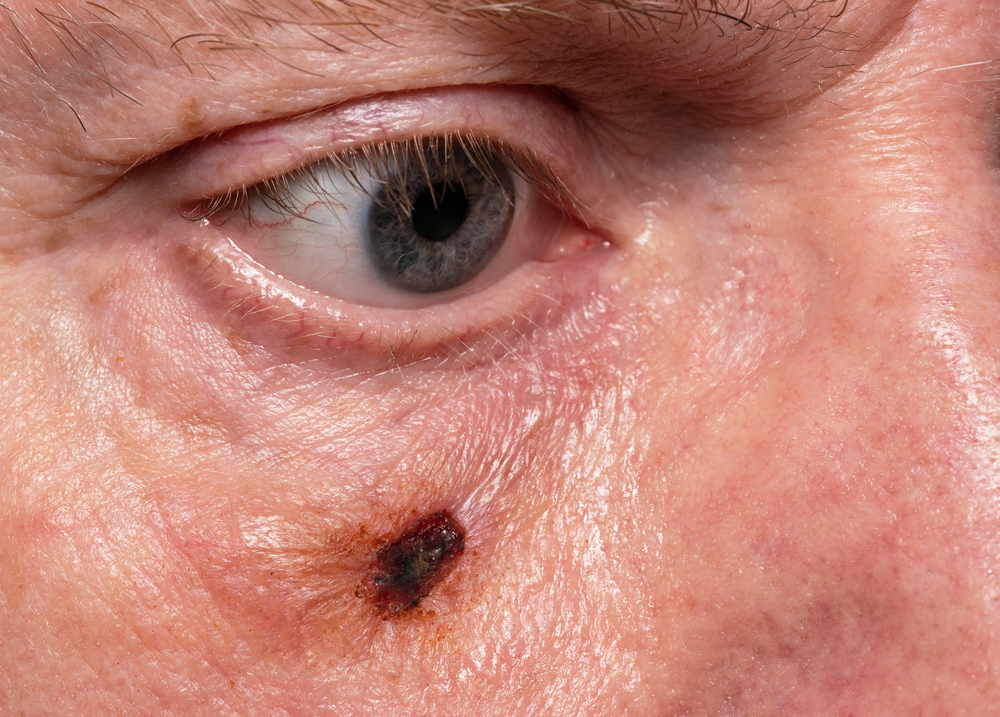
Mohs surgery is a precise surgical technique that removes skin cancer layer by layer, with each layer examined under a microscope until all cancer cells are removed. This methodical way of removing tissue allows dermatologists to verify that all cancer cells have been eliminated while preserving as much healthy tissue as possible.

During the procedure, the provider will remove the visible portion of the skin cancer along with a thin layer of surrounding tissue. The removed tissue is then processed, stained, and examined under a microscope while you wait.

If cancer cells remain in the sample, the provider removes another layer of tissue from the specific area where cancer cells were detected. This process continues until no cancer cells remain in the samples.

Why Mohs Surgery Has the Highest Cure Rates

Mohs surgery offers the highest cure rate of all skin cancer treatments because it ensures complete removal of all cancer cells at the time of surgery. The immediate confirmation eliminates the uncertainty that can come with other treatment methods.

The procedure is particularly valuable for treating skin cancers in cosmetically and functionally important areas like the face, hands and feet. By preserving the maximum amount of healthy tissue, Mohs surgery helps maintain both function and appearance.

Renee Lucero, DO, dermatologist and Mohs surgeon at Golden State Dermatology in Carmel, emphasizes the importance of this precise technique:

“Mohs surgery is truly remarkable for its precision and efficiency. The cancer removal, pathology, and often the surgical repair are all performed on the same day. Patients appreciate the reassurance of knowing that, by the time they leave our office, their skin cancer has been completely removed — with maximum preservation of healthy tissue. Because the pathology is performed on-site and in real time, we can ensure the most conservative margins possible. This makes Mohs surgery the gold standard for treating skin cancer, particularly in highly visible areas where minimizing scarring is a priority.”

Who Benefits Most from Mohs Surgery?

Mohs surgery is particularly beneficial for treating basal cell carcinomas and squamous cell carcinomas, the two most common types of skin cancer. Our dermatologists may recommend this procedure for cancers that are likely to recur or have already recurred after previous treatment.

Patients with cancer in areas where preserving healthy tissue is crucial, such as the face, ears, hands, and feet are excellent candidates for this procedure. Mohs surgery is considered the gold standard for treating many types of skin cancer due to its high success rate and tissue-sparing benefits.

What Happens During Mohs Surgery?

Mohs surgery begins with the dermatologist applying local anesthesia to numb the treatment area. This allows the patient to remain awake during the procedure while ensuring they feel no pain.

Once the area is numb, the dermatologist removes the visible cancer along with a thin layer of surrounding tissue. This tissue is then carefully mapped, color-coded, and sent to the on-site laboratory for processing and microscopic examination.

While the patient waits, the removed tissue is processed, stained, and examined under a microscope by the Mohs surgeon. This examination is comprehensive, checking 100% of the surgical margins to determine if any cancer cells remain.

If cancer cells are found in the examined tissue, their precise location is marked on the map, and the surgeon returns to remove another layer of tissue only from that specific area.

The process of removing tissue, mapping, processing, and examining continues until no cancer cells remain. Once all the cancer has been removed, the surgeon discusses reconstruction options with the patient.

Elaine Lim, PA-C, at Golden State Dermatology in Walnut Creek, shares with patients:

“We’re fortunate to have highly skilled Mohs in multiple GSD locations across California. When a biopsy confirms a skin cancer that meets Mohs criteria, I refer my patients with full confidence. While the procedure can take several hours, it’s a precise method that ensures complete cancer removal while preserving healthy tissue. Afterward, the surgeon performs reconstructive repair, and the results I’ve seen have been excellent. I always advise patients to plan for a long day—bring a book or tablet—and to speak up if they feel discomfort, as more local anesthetic can be added. Educating patients ahead of time helps ease anxiety and makes the experience much smoother.”

Recovery After Mohs Surgery

Recovery after Mohs surgery varies depending on the size and location of the treatment area. Most patients experience minimal discomfort that can be managed with over-the-counter pain relievers.

Our dermatologists provide detailed instructions to promote healing and minimize scarring during your healing. These instructions typically include wound care guidelines, activity restrictions, and signs of complications to watch for.

Preparing for Your Mohs Surgery Appointment

Before your appointment, our dermatologists will provide specific instructions to help you prepare. These may include stopping certain medications that can increase bleeding, such as aspirin or blood thinners, after consulting with your primary care physician.

Wearing comfortable clothing and bringing entertainment for the waiting periods can make your experience more pleasant. Many patients also find it helpful to arrange for someone to drive them home after the procedure, especially if the surgery is on the face.

Why Choose Calkin & Boudreau for Mohs Surgery

At Calkin & Boudreau, our dermatologists have extensive training and experience in performing Mohs surgery. We use state-of-the-art equipment and techniques to ensure the best possible outcomes. Our compassionate team provides personalized care throughout the entire process, from diagnosis to recovery. We understand that a skin cancer diagnosis can be stressful, and we’re committed to making your experience as comfortable as possible.

Schedule Your Consultation Today

Regular skin checks and prompt treatment of suspicious lesions provide the best chance for a complete cure. Taking a proactive approach to skin health can help you maintain healthy skin throughout your life.

If you have questions about your skin, schedule an appointment at Calkin & Boudreau today!

Is There a Way to Restore Lost Collagen?

Heading 2

Lorem ipsum dolor sit amet, consectetur adipisicing elit. Nostrum minus ea suscipit porro alias corporis libero at. Perferendis omnis, veniam nemo beatae vel? Tempora numquam a repellat eaque natus, magnam?

Heading 2

Lorem ipsum dolor sit amet, consectetur adipisicing elit. Autem ipsum mollitia neque, illum illo excepturi, eum incidunt fugit nostrum est, voluptate eaque minima corporis debitis at, dolores ipsam. Quaerat, dolores.

Heading 2

Lorem ipsum dolor sit amet, consectetur adipisicing elit. Autem ipsum mollitia neque, illum illo excepturi, eum incidunt fugit nostrum est, voluptate eaque minima corporis debitis at, dolores ipsam. Quaerat, dolores.

Heading 2

Lorem ipsum dolor sit amet, consectetur adipisicing elit. Autem ipsum mollitia neque, illum illo excepturi, eum incidunt fugit nostrum est, voluptate eaque minima corporis debitis at, dolores ipsam. Quaerat, dolores.

Heading 2

Lorem ipsum dolor sit amet, consectetur adipisicing elit. Autem ipsum mollitia neque, illum illo excepturi, eum incidunt fugit nostrum est, voluptate eaque minima corporis debitis at, dolores ipsam. Quaerat, dolores.

Collagen is a protein that plays a crucial role in maintaining skin elasticity, strength, and youthful appearance. As you age, your natural collagen production decreases, leading to the formation of wrinkles, sagging skin, and other visible signs of aging that many people wish to address.

Keep reading to learn more about what collagen is, why we lose it, and the science-backed approaches to potentially restore this essential protein.

What Is Collagen and Why Does It Diminish Over Time?

Collagen is a structural protein that provides strength and support to various tissues in our body, including skin, bones, tendons, and ligaments. It forms a complex network in the dermis (the middle layer of skin), creating a foundation that helps skin remain firm, plump, and youthful.

People naturally produce less collagen as they age, with production typically beginning to decline in their mid-20s and continuing to decrease each year afterward. Sun exposure, smoking, high sugar consumption, and environmental pollutants can further damage existing collagen fibers and inhibit new production.

Dr. Lisa Chipps, board-certified dermatologist and president of the American Board of Cosmetic Surgery at Golden State Dermatology in Beverly Hills, explains the science behind collagen loss:

“Collagen degradation occurs through both intrinsic and extrinsic aging processes. Intrinsically, our fibroblasts—the cells responsible for collagen production—become less efficient over time, leading to a gradual but steady decline in collagen synthesis. Factors like UV radiation generate free radicals that break down collagen fibers and alter gene expression related to collagen production. Understanding these mechanisms helps us develop targeted strategies to combat collagen loss and potentially restore what has been diminished through various clinical interventions.”

Can Lost Collagen Be Restored?

Complete reversal of collagen loss isn’t currently possible, but you can still significantly boost your skin’s collagen levels for visible improvements. There are several options that can help stimulate new collagen production, repair damaged collagen fibers, and protect existing collagen from further degradation. The effectiveness of these methods varies depending on age, skin condition, and what specific approach is used.

Topical Treatments for Collagen Stimulation

Certain ingredients in skincare products have been shown to boost collagen production when applied consistently. Retinoids (vitamin A derivatives) are perhaps the most well-researched and effective topical ingredients for collagen stimulation.

Another beneficial ingredient is Vitamin C, which is essential for collagen synthesis and peptides, which can signal skin cells to produce more collagen.

These topicals work gradually over time and are most effective for mild to moderate collagen loss.

Topical growth factor serums, such as Neocutis Bioserum Firm and SkinMedica TNS Advanced+, help increase collagen by sending signals that prompt skin cells to create more of this essential protein. These growth factors work as messengers within the skin, encouraging cells to kickstart their natural repair and renewal processes, which includes generating collagen and elastin.

Diet and Collagen Production

What you eat can significantly impact your body’s ability to produce and maintain collagen. Protein-rich foods provide the amino acids necessary for collagen synthesis, while foods high in antioxidants help protect existing collagen from damage.

Specific nutrients that support collagen production include:

  • Vitamin C – found in citrus fruits and berries
  • Zinc – found in nuts and seeds
  • Copper – found in shellfish and leafy greens
  • Proline – found in egg whites and dairy products

Bone broth and collagen supplements have also gained popularity for their potential benefits to skin health.

Do Collagen Supplements Work?

Oral collagen supplements have become increasingly popular in recent years, with many products claiming to improve skin elasticity and reduce wrinkles. These supplements typically contain hydrolyzed collagen, which has been broken down into smaller, more digestible fragments.

Some studies suggest that collagen peptides can be absorbed into the bloodstream and may stimulate fibroblasts to produce more collagen. However, the scientific evidence remains mixed, and more research is needed to fully understand their effectiveness and optimal usage.

Professional Treatments for Collagen Restoration

For those seeking more significant collagen restoration, professional treatments performed by an expert dermatology provider offer more substantial results. These procedures work by creating controlled damage to the skin, which triggers the body’s wound healing response and stimulates collagen production.

Microneedling, laser resurfacing, radiofrequency treatments, and ultrasound therapy are all effective options with varying levels of invasiveness and downtime. The best approach depends on your specific skin concerns, budget, and how much recovery time you can accommodate.

Shelby Saltsman, PA-C, at Golden State Dermatology in Torrance, shares insights about professional collagen-stimulating treatments:

“When patients ask about restoring collagen, I often recommend combination approaches for optimal results. For instance, pairing microneedling with radiofrequency energy allows us to precisely target multiple skin layers, creating a more robust collagen response than either treatment alone. The initial collagen production begins within days of treatment, but the most impressive results develop over three to six months as new collagen fibers mature and strengthen. This gradual improvement often creates more natural-looking results that continue to enhance the skin’s appearance long after the procedure itself.”

Dermal Fillers and Collagen Replacement

Injectable dermal fillers offer an immediate approach to addressing volume loss caused by collagen depletion. While most modern fillers don’t actually contain collagen, they serve as temporary replacements for lost volume.

Hyaluronic acid fillers attract moisture and create plumpness, while biostimulatory fillers like Sculptra and Radiesse actively stimulate your body’s natural collagen production over time. These treatments can provide both immediate and long-term improvements to areas affected by collagen loss.

Creating a Personalized Collagen Restoration Plan

Every person’s skin is unique, with different patterns of collagen loss and varying response to treatments. Working with an experienced dermatology provider allows you to develop a tailored approach to collagen restoration.

A comprehensive evaluation will consider factors such as your age, skin condition, medical history, and aesthetic goals to recommend the most appropriate interventions. This personalized approach typically yields the best and most natural-looking results.

If you have questions about your skin, schedule an appointment at Calkin & Boudreaux today!
How Your Diet Can Impact Your Rosacea Symptoms

Heading 2

Lorem ipsum dolor sit amet, consectetur adipisicing elit. Nostrum minus ea suscipit porro alias corporis libero at. Perferendis omnis, veniam nemo beatae vel? Tempora numquam a repellat eaque natus, magnam?

Heading 2

Lorem ipsum dolor sit amet, consectetur adipisicing elit. Autem ipsum mollitia neque, illum illo excepturi, eum incidunt fugit nostrum est, voluptate eaque minima corporis debitis at, dolores ipsam. Quaerat, dolores.

Heading 2

Lorem ipsum dolor sit amet, consectetur adipisicing elit. Autem ipsum mollitia neque, illum illo excepturi, eum incidunt fugit nostrum est, voluptate eaque minima corporis debitis at, dolores ipsam. Quaerat, dolores.

Heading 2

Lorem ipsum dolor sit amet, consectetur adipisicing elit. Autem ipsum mollitia neque, illum illo excepturi, eum incidunt fugit nostrum est, voluptate eaque minima corporis debitis at, dolores ipsam. Quaerat, dolores.

Heading 2

Lorem ipsum dolor sit amet, consectetur adipisicing elit. Autem ipsum mollitia neque, illum illo excepturi, eum incidunt fugit nostrum est, voluptate eaque minima corporis debitis at, dolores ipsam. Quaerat, dolores.

Rosacea is more than just occasional facial redness. It’s a chronic skin condition that can include acne-like breakouts, visible blood vessels, eye irritation, or even thickened skin. For many people, rosacea is unpredictable and frustrating. But one area that’s gaining attention in the dermatology community is the role diet plays in managing rosacea symptoms.

While triggers can vary from person to person, certain dietary patterns have been shown to contribute to flare-ups. Understanding which foods may help or hinder your skin can be a game-changer for long-term rosacea relief.

Keep reading to learn more about how your diet can impact your rosacea symptoms.

Can Food Really Trigger Rosacea?

Food can absolutely influence how your skin reacts. Some of the most commonly reported dietary triggers include spicy foods, alcohol, and hot beverages. These items can increase blood flow to the skin, leading to redness, flushing, and inflammation. For those with rosacea, this can quickly turn into a full-blown flare-up.

Beyond immediate triggers, certain foods, particularly those high in sugar or processed ingredients, can contribute to chronic inflammation in the body. This low-grade inflammation may worsen rosacea over time or make it more resistant to treatment.

What Should You Eat Instead?

While there’s no one-size-fits-all rosacea diet, many people find that adopting an anti-inflammatory eating pattern helps calm their skin. Foods that support clearer, more balanced skin include:

  • Omega-3 rich options like salmon, flaxseeds, and walnuts
  • Fresh fruits and vegetables, especially those high in antioxidants (think berries, leafy greens, and sweet potatoes)
  • Whole grains and plant-based proteins
  • Cooling and hydrating foods like cucumbers, melons, and herbal teas

By focusing on these nutrient-rich ingredients, you’re not just avoiding flare-ups, you’re nourishing your skin from within.

How Does Gut Health Play a Role?

An increasing body of research supports the connection between gut health and skin health. Many people with rosacea also experience digestive issues such as bloating or food sensitivities. This isn’t a coincidence. Imbalances in the gut microbiome can contribute to inflammation throughout the body, including the skin.

By choosing foods that support a healthy gut (like fiber-rich vegetables, fermented foods, and probiotic-rich options), you may notice improvements not only in your digestion but also in your skin’s appearance and comfort.

A Helpful Resource from Dr. Ron Moy

If you’re unsure where to begin with rosacea-friendly eating, Dr. Ron Moy, a board-certified dermatologist, Mohs Surgeon, and one of the leading cosmetic and facial plastic surgeons in Los Angeles, has created a valuable resource: Cooking with Rosacea. This dermatologist-approved cookbook is full of simple, delicious recipes that are designed to minimize common rosacea triggers while supporting overall skin health.

Dr. Moy shared,

“As a dermatologist, I’ve seen firsthand how powerful nutrition can be in managing skin conditions like rosacea. This cookbook is more than just recipes—it’s a tool to help reduce inflammation from the inside out which is why I’m so pleased to share it with everyone.”

Rather than guess which foods might be safe or harmful, Cooking with Rosacea provides a practical guide to eating in a way that helps calm inflammation and promote healthier skin. Whether you’re dealing with facial redness, breakouts, or eye irritation, the cookbook offers meals that are not only easy to prepare but also grounded in real clinical insight.

The recipes focus on fresh, whole ingredients that are low in histamine and free from common irritants like spicy seasonings, processed sugars, and aged cheeses. It’s a helpful starting point if you’re looking to make dietary changes without sacrificing flavor or nutrition.

Get Your Free Copy of Cooking with Rosacea

Is It Time to Rethink Your Diet?

If you’re living with rosacea, your skin may be trying to tell you something about what’s happening inside your body. Diet won’t cure rosacea, but it can significantly impact how often and how severely you experience symptoms.

Making thoughtful changes to your eating habits and having resources like Cooking with Rosacea at your fingertips can give you more control over your condition and your quality of life.

If you have questions about your skin, schedule an appointment with one of our dermatology experts at Calkin & Boudreaux today!

What Is the Best Treatment for Acne Scars?

Heading 2

Lorem ipsum dolor sit amet, consectetur adipisicing elit. Nostrum minus ea suscipit porro alias corporis libero at. Perferendis omnis, veniam nemo beatae vel? Tempora numquam a repellat eaque natus, magnam?

Heading 2

Lorem ipsum dolor sit amet, consectetur adipisicing elit. Autem ipsum mollitia neque, illum illo excepturi, eum incidunt fugit nostrum est, voluptate eaque minima corporis debitis at, dolores ipsam. Quaerat, dolores.

Heading 2

Lorem ipsum dolor sit amet, consectetur adipisicing elit. Autem ipsum mollitia neque, illum illo excepturi, eum incidunt fugit nostrum est, voluptate eaque minima corporis debitis at, dolores ipsam. Quaerat, dolores.

Heading 2

Lorem ipsum dolor sit amet, consectetur adipisicing elit. Autem ipsum mollitia neque, illum illo excepturi, eum incidunt fugit nostrum est, voluptate eaque minima corporis debitis at, dolores ipsam. Quaerat, dolores.

Heading 2

Lorem ipsum dolor sit amet, consectetur adipisicing elit. Autem ipsum mollitia neque, illum illo excepturi, eum incidunt fugit nostrum est, voluptate eaque minima corporis debitis at, dolores ipsam. Quaerat, dolores.

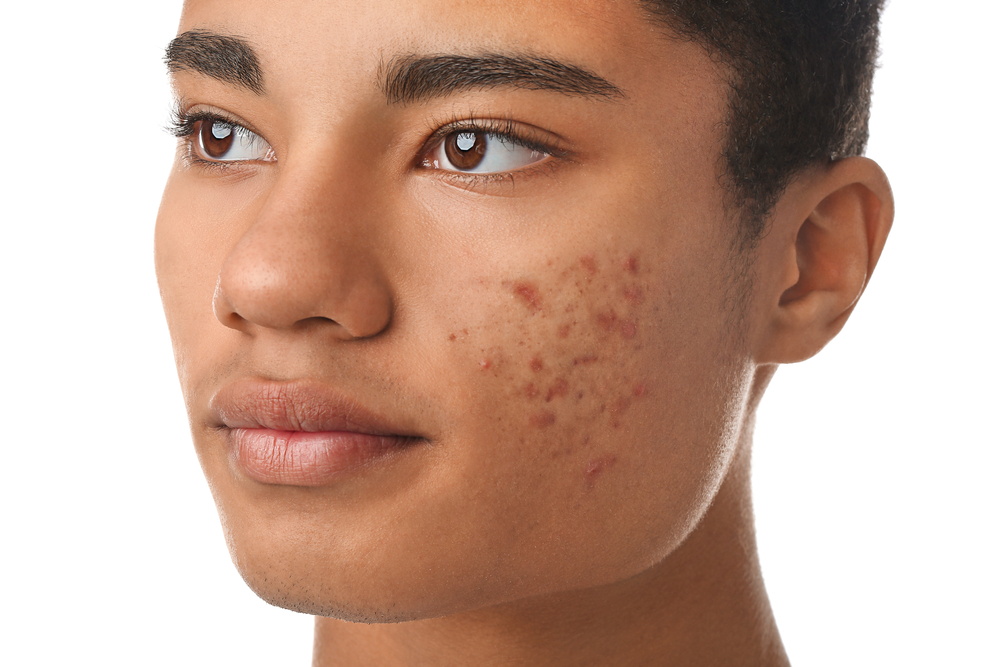
Acne scars can be a persistent reminder of past breakouts, affecting not just your skin but also your confidence. Many people find themselves struggling with these lasting marks long after their acne has cleared, which can have them searching for effective solutions that can restore their skin’s smooth appearance and even texture.

Fortunately, there are many treatments that can address acne scars, with approaches tailored to different scar types and skin conditions. Keep reading to learn more about the most effective treatments for acne scars and how the experts at Calkin & Boudreaux can help you achieve clearer, more radiant skin!

What Are the Different Types of Acne Scars?

Acne scars come in several forms, each requiring a specific approach to treatment. The most common types include atrophic scars (depressed scars that sit below the surrounding skin), hypertrophic scars (raised scars), and post-inflammatory hyperpigmentation (dark spots).

Different scar types respond better to certain treatments, making proper identification a crucial first step in your treatment journey. Your doctor at Calkin & Boudreaux will carefully evaluate your skin to determine which types of scars you have and which treatments will be most effective.

What Factors Affect Acne Scar Treatment Success?

Several factors influence how well acne scar treatments will work for your specific situation. These include your skin type, the age and severity of your scars, your overall health, and your commitment to the treatment process.

Dr. Kerry Heitmiller, a dermatologist at Allura Skin & Laser Center, a Golden State Dermatology affiliate, explains the importance of personalized treatment plans:

“When treating acne scars, we must consider multiple factors including the patient’s skin type, scar morphology, and whether there is concurrent active acne. This comprehensive approach allows us to create truly customized treatment plans that address each patient’s unique concerns and maximize their chances of achieving significant improvement with treatment. While complete scar removal is not always possible, most patients can expect substantial improvement with the appropriate combination of treatments.”

Professional Treatments for Acne Scars

Professional treatments offered at Calkin & Boudreaux can significantly improve the appearance of acne scars. These treatments range from minimally invasive procedures to more advanced options for severe scarring.

Your doctor will recommend the most appropriate treatment based on your specific needs and goals. Let’s explore some of the most effective options available.

Laser Treatments

Laser treatments work by selectively damaging the outer layer of skin or stimulating collagen production beneath the skin’s surface. Different types of lasers target different skin issues, making them versatile tools for acne scar treatment.

The recovery time and number of sessions needed will depend on the type of laser used and the severity of your scars. Many patients see significant improvement after a series of treatments spaced several weeks apart.

Chemical Peels

Chemical peels use specialized solutions to remove damaged outer layers of skin, revealing fresher skin underneath. They can be particularly effective for treating certain types of acne scars and improving overall skin texture.

Your doctor at Calkin & Boudreaux can recommend the right type and strength of chemical peel based on your skin type and scar severity. Multiple sessions may be needed to achieve optimal results.

TCA CROSS Technique

The TCA CROSS (trichloroacetic acid chemical reconstruction of skin scars) technique is a specialized treatment specifically designed for ice pick and boxcar acne scars. This procedure involves applying high concentrations of TCA precisely to the base of each individual scar.

The controlled injury stimulates collagen production and helps raise the depression in the skin, creating a smoother surface over time. Multiple sessions spaced several weeks apart are typically needed for optimal results.

Microneedling

Microneedling involves creating tiny punctures in the skin to stimulate natural healing processes and collagen production. This technique can effectively improve the appearance of many types of acne scars, particularly atrophic scars.

The procedure is minimally invasive with a relatively short recovery time, making it a popular option for many patients. Results continue to improve over time as collagen production increases.

What to Expect During Recovery From Acne Scar Treatment

Recovery experiences vary depending on the treatments you receive. Some procedures involve minimal downtime, while others may require several days of healing.

Your doctor will provide detailed recovery instructions to ensure that your skin heals properly and the procedure has optimal results. Following these instructions carefully is essential for achieving the best possible outcome from your treatments.

Is There a “Best” Treatment for Acne Scars?

While many patients hope for a single “best” treatment for acne scars, the reality is that the most effective approach depends on your specific situation. What works wonderfully for one person may not be ideal for another.

The true “best” treatment is a personalized plan developed by an experienced professional who understands your unique needs. Your doctor at Calkin & Boudreaux will work closely with you to develop the optimal strategy for your skin.

Peterson Pierre, MD, board-certified dermatologist at Golden State Dermatology in Thousand Oaks, shares his experience in treating patients with acne scarring:

“Acne scars can leave emotional marks just as deeply as physical ones. Treating these scars isn’t just about improving skin appearance—it’s about helping patients feel more confident and comfortable in their own skin, allowing them to move forward with renewed self-esteem and a brighter outlook.”

Schedule Your Consultation Today

If you’re struggling with acne scars, know that effective treatments are available to help you achieve smoother, more even-toned skin. The first step is a comprehensive evaluation with a qualified dermatology provider who can assess your specific concerns.

If you have questions about your skin, schedule an appointment at Calkin & Boudreaux today!

How Does a Facial for Acne-Prone Skin Differ From a Basic Facial?

Heading 2

Lorem ipsum dolor sit amet, consectetur adipisicing elit. Nostrum minus ea suscipit porro alias corporis libero at. Perferendis omnis, veniam nemo beatae vel? Tempora numquam a repellat eaque natus, magnam?

Heading 2

Lorem ipsum dolor sit amet, consectetur adipisicing elit. Autem ipsum mollitia neque, illum illo excepturi, eum incidunt fugit nostrum est, voluptate eaque minima corporis debitis at, dolores ipsam. Quaerat, dolores.

Heading 2

Lorem ipsum dolor sit amet, consectetur adipisicing elit. Autem ipsum mollitia neque, illum illo excepturi, eum incidunt fugit nostrum est, voluptate eaque minima corporis debitis at, dolores ipsam. Quaerat, dolores.

Heading 2

Lorem ipsum dolor sit amet, consectetur adipisicing elit. Autem ipsum mollitia neque, illum illo excepturi, eum incidunt fugit nostrum est, voluptate eaque minima corporis debitis at, dolores ipsam. Quaerat, dolores.

Heading 2

Lorem ipsum dolor sit amet, consectetur adipisicing elit. Autem ipsum mollitia neque, illum illo excepturi, eum incidunt fugit nostrum est, voluptate eaque minima corporis debitis at, dolores ipsam. Quaerat, dolores.

If you struggle with acne breakouts, you may have wondered whether a regular facial would help or potentially worsen your skin condition. Many people with acne-prone skin hesitate to book facial treatments due to concerns about aggravating existing blemishes or triggering new breakouts.

However, specialized facials designed specifically for acne-prone skin can be highly beneficial when performed by trained professionals. Keep reading to learn how skin professionals differ facials for patients with acne-prone skin!

What Is a Basic Facial?

A basic facial typically focuses on cleansing, exfoliating, and hydrating the skin to improve its overall appearance and health. These treatments are designed for maintenance and general skin health, often incorporating elements of relaxation, such as massage.

Standard facials usually include deep cleansing, gentle exfoliation, steam, extractions of non-inflammatory comedones, facial massage, a mask, and moisturizer. The primary goal is to refresh the skin, remove surface impurities, and provide a healthy glow rather than addressing specific skin conditions.

What Makes an Acne Facial Different?

Acne facials are specifically designed to address the unique needs of acne-prone and oily skin types. These specialized treatments focus on deep cleansing, controlling oil production, and reducing inflammation associated with acne breakouts.

Dr. Andrew Menkes, board-certified dermatologist at The Menkes Clinic, a Golden State Dermatology affiliate, explains the importance of specialized approaches for acne-prone skin:

“Acne facials differ fundamentally from basic facials in both their ingredients and techniques. We carefully select anti-bacterial and anti-inflammatory components that effectively target the root causes of acne without irritating sensitive skin. The extraction techniques used for acne-prone skin also require specialized training to prevent spreading bacteria or causing additional inflammation. When performed correctly by a skilled professional, these treatments can significantly improve acne conditions while reducing the risk of scarring that often accompanies improper at-home extraction attempts.”

What Products and Techniques Are Used During an Acne Facial?

The products used in acne facials contain ingredients specifically formulated to treat and prevent breakouts. These typically include salicylic acid, benzoyl peroxide, sulfur, or tea tree oil, which have antibacterial and anti-inflammatory properties.

Basic facials often use hydrating, soothing products that might be too heavy or comedogenic for acne-prone skin. Acne facial products typically focus on balancing oil production rather than adding moisture.

Extraction techniques also differ significantly between basic facials and those designed for acne. Professionals performing acne facials use specialized methods to safely remove comedones and pustules without spreading bacteria.

Acne facials may also incorporate blue light therapy, which targets and destroys acne-causing bacteria without damaging surrounding tissue. This advanced technology provides benefits that simply aren’t available with standard facial treatments.

Why Extraction Methods Vary

Extraction is perhaps where the two facial types differ most significantly. Acne facials involve more thorough and precise extraction techniques performed with specialized tools and greater attention to preventing bacterial spread.

Basic facials may include light extractions of surface-level comedones but generally avoid inflamed or deep-seated acne lesions. Professionals trained in acne treatment know which blemishes can be safely extracted and which should be left alone.

Shawna Nelson, LE, a licensed esthetician at The Menkes Clinic, highlights the importance of proper extraction techniques:

“When performing extractions on acne-prone skin, we follow strict protocols to prevent cross-contamination and further inflammation. Every tool is sterilized, and we use specific techniques depending on the type of acne lesion we’re addressing. Many clients come to us after attempting home extractions that led to scarring or worsened breakouts. Professional acne facials not only effectively clear current blemishes but also provide education on how to properly care for acne-prone skin at home, creating a comprehensive approach to managing this challenging condition.”

How Frequent Should I Get Facials?

The recommended frequency of treatments differs between basic and acne facials. For acne-prone skin, more frequent sessions may be initially recommended to bring the condition under control.

Basic facials are typically scheduled at longer intervals for maintenance purposes. Your doctor at Calkin & Boudreaux can help determine the optimal treatment schedule based on your skin’s needs and response.

How to Choose the Right Facial for Your Skin

Consulting with a qualified dermatologist is the best way to determine which facial treatment is appropriate for your skin type and concerns. Your doctor at Calkin & Boudreaux can assess your specific needs and recommend a customized approach.

Consider your primary skin concerns, current breakout status, and overall skin sensitivity when choosing between facial types. What works for someone else’s skin may not be ideal for yours, making professional guidance invaluable.

When to Avoid Facials Altogether

During periods of severe or cystic acne flare-ups, it may be advisable to postpone facial treatments until the condition stabilizes. Your dermatologist at Calkin & Boudreaux can recommend alternative treatments during these times.

Certain medications or recent procedures may also make your skin temporarily unsuitable for facial treatments. Always inform your provider about any medications you’re taking or recent treatments you’ve received.

Schedule Your Acne Facial Consultation Today

Living with acne-prone skin can be challenging, but professional treatments tailored to your specific needs can help you achieve clearer, healthier skin. Specialized acne facials offer targeted benefits that general facials simply can’t provide.

If you have questions about your skin, schedule an appointment at Calkin & Boudreaux today!
What Happens During Skin Tag Removal?

Heading 2

Lorem ipsum dolor sit amet, consectetur adipisicing elit. Nostrum minus ea suscipit porro alias corporis libero at. Perferendis omnis, veniam nemo beatae vel? Tempora numquam a repellat eaque natus, magnam?

Heading 2

Lorem ipsum dolor sit amet, consectetur adipisicing elit. Autem ipsum mollitia neque, illum illo excepturi, eum incidunt fugit nostrum est, voluptate eaque minima corporis debitis at, dolores ipsam. Quaerat, dolores.

Heading 2

Lorem ipsum dolor sit amet, consectetur adipisicing elit. Autem ipsum mollitia neque, illum illo excepturi, eum incidunt fugit nostrum est, voluptate eaque minima corporis debitis at, dolores ipsam. Quaerat, dolores.

Heading 2

Lorem ipsum dolor sit amet, consectetur adipisicing elit. Autem ipsum mollitia neque, illum illo excepturi, eum incidunt fugit nostrum est, voluptate eaque minima corporis debitis at, dolores ipsam. Quaerat, dolores.

Heading 2

Lorem ipsum dolor sit amet, consectetur adipisicing elit. Autem ipsum mollitia neque, illum illo excepturi, eum incidunt fugit nostrum est, voluptate eaque minima corporis debitis at, dolores ipsam. Quaerat, dolores.

Have you ever noticed small, soft growths hanging from your skin in areas like your neck or armpits? These common skin growths, known as skin tags, affect many adults at some point in their lives.

While typically harmless, many people choose to have skin tags removed for cosmetic reasons or because they cause discomfort when they rub against clothing or jewelry. Keep reading to learn more about skin tags, including what happens during skin tag removal.

What Are Skin Tags?

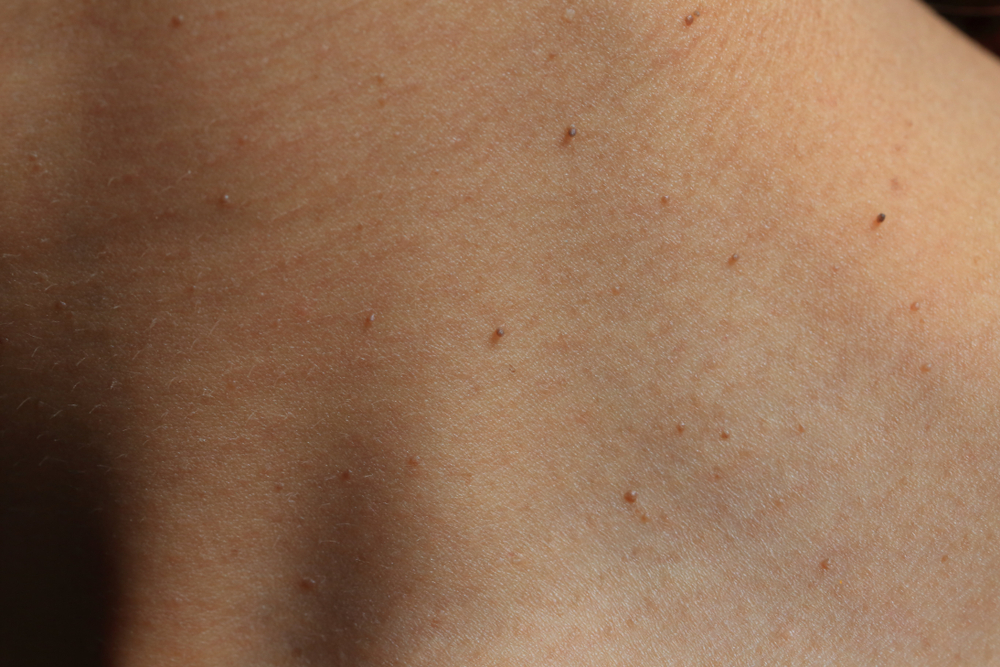
Skin tags are benign growths on the skin’s surface that are usually attached by a thin stalk. These flesh-colored or slightly darker growths develop when skin rubs against skin or clothing, causing friction that leads to an overgrowth of skin cells.

Common locations for skin tags include the neck, armpits, eyelids, and under the breasts, essentially anywhere skin folds occur. While they aren’t threatening to your health, many patients seek removal for comfort or aesthetic reasons.

Dr. Christian Jones, a board-certified dermatologist at Golden State Dermatology, explains the nature of these common growths:

“Skin tags are completely benign growths that develop as a natural part of aging and sometimes due to genetics. Though they’re medically insignificant, they can catch on clothing or jewelry, causing discomfort, or appear in visible areas, affecting self-confidence. Our goal is to provide safe, effective removal options that address both physical discomfort and cosmetic concerns while ensuring minimal scarring and downtime.”

Who Gets Skin Tags?

Skin tags become more common as you age, with most people developing them in middle age and beyond. Certain factors like obesity, diabetes, and pregnancy can increase your risk of developing these small skin growths.

Family history also plays a role, as skin tags tend to run in families. Your doctor at Calkin & Boudreaux can evaluate your skin tags and recommend appropriate treatment options based on your specific situation.

When Should I Consider Skin Tag Removal?

Most skin tags are harmless and don’t require medical treatment unless they cause discomfort. However, you might consider removal if your skin tags frequently get caught on clothing or jewelry, causing irritation or even bleeding.

Cosmetic concerns are also valid reasons to seek removal, especially for skin tags in visible areas like the face or neck. Your doctor at Calkin & Boudreaux can help you determine whether removal is appropriate in your case.

What Are My Options for Skin Tag Removal?

Several effective methods exist for removing skin tags, and the best approach depends on the size, location, and number of skin tags you have. During your consultation at Calkin & Boudreaux, your doctor will discuss the most appropriate removal techniques for your specific situation.

The goal of any removal method is to completely eliminate the skin tag while minimizing discomfort and preventing scarring. All procedures are performed with patient comfort as a priority, and most take just minutes to complete.

Snipping (Excision)

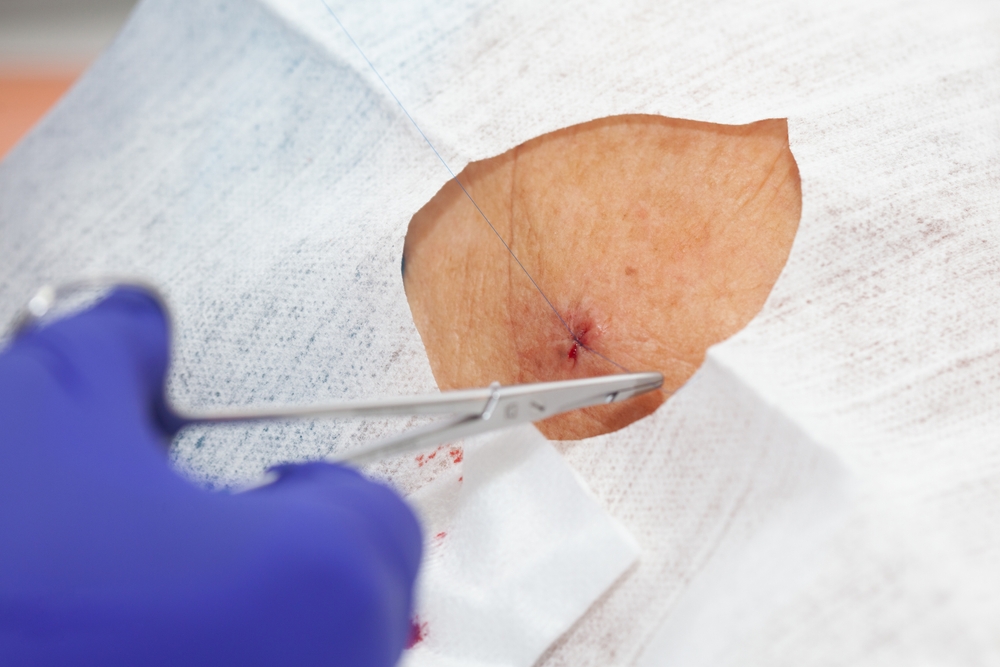
Excision is one of the most common and effective methods for removing skin tags. The procedure begins with the application of a local anesthetic to ensure you feel no pain during the removal process.

Once the area is numb, your doctor at Calkin & Boudreaux will use sterile surgical scissors or a scalpel to cut the skin tag off at its base. The procedure is quick, typically taking just a few minutes per skin tag.

Cryotherapy (Freezing)

Cryotherapy involves freezing the skin tag using liquid nitrogen or another freezing compound. The extreme cold damages the tissue, causing the skin tag to fall off within days or weeks after treatment.

This method is particularly effective for smaller skin tags and requires minimal downtime. Your doctor at Calkin & Boudreaux may recommend cryotherapy if you have multiple small skin tags that need removal.

Electrocautery (Burning)

Electrocautery uses heat from an electrical current to burn off the skin tag. After applying a local anesthetic, your doctor will use a special device to apply controlled heat to the skin tag, effectively removing it.

This method provides immediate results and can be very precise, making it suitable for skin tags in delicate areas. The treated area will heal over the course of a few days to weeks, depending on the size of the skin tag.

Sandra Kemptner, PA-C, at Calkin & Boudreaux, a Golden State Dermatology affiliate, shares insights about the removal process:

“When patients come in for skin tag removal, they’re often surprised by how quick and comfortable the procedure can be. We take time to discuss all available options and select the method that will provide the best cosmetic outcome with the least discomfort. Most patients experience minimal pain during the procedure thanks to local anesthesia, and recovery is typically straightforward with just minor redness or irritation at the treatment site. The psychological relief patients feel after having bothersome skin tags removed often far outweighs any temporary discomfort from the procedure itself.”

What to Expect During Your Appointment

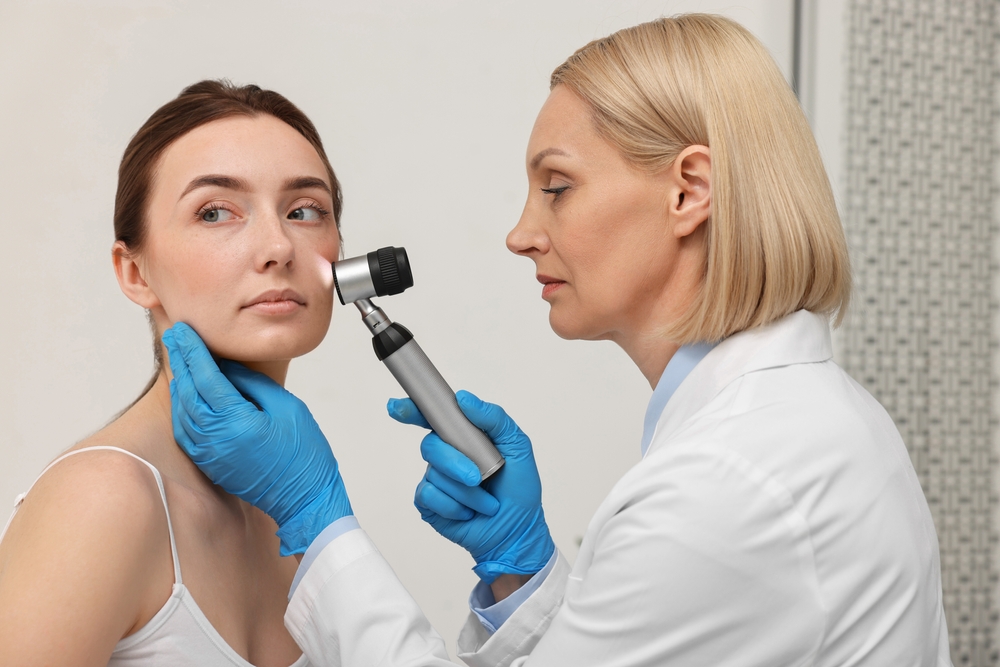
Your skin tag removal appointment at Calkin & Boudreaux will begin with a thorough exam of the areas to be treated. Your doctor will confirm that the growths are skin tags and not another type of skin lesion that might require different treatment.

Before beginning the procedure, your doctor will clean the area and administer a local anesthetic if needed, depending on the removal method. Most skin tag removal procedures take just 15-30 minutes, even when multiple tags are being treated.

Will My Skin Tags Come Back?

Once a skin tag is completely removed, that specific growth will not return. However, new skin tags may develop in the same area or elsewhere on the body over time, especially if you have risk factors like obesity or diabetes.

Regular skin checks by your doctor at Calkin & Boudreaux can help identify and address new skin growths promptly. Maintaining a healthy lifestyle may also help reduce the likelihood of developing additional skin tags.

Can I Remove Skin Tags at Home?

While many home remedies for skin tag removal exist, these methods are generally not recommended by medical professionals. Attempting to remove skin tags yourself can lead to infection, excessive bleeding, or incomplete removal. Professional removal by experienced dermatology providers at Calkin & Boudreaux ensures that the entire skin tag is removed safely and effectively.

Schedule Your Consultation Today

If you’re bothered by skin tags and considering removal, the experienced team at Calkin & Boudreaux can help. Our dermatology providers offer several effective removal options tailored to your specific needs and preferences.

The removal process is quick comfortable and can make a significant difference in your comfort and confidence. If you have questions about your skin, schedule an appointment at Calkin & Boudreaux today!
How to Treat a Double Chin

Heading 2

Lorem ipsum dolor sit amet, consectetur adipisicing elit. Nostrum minus ea suscipit porro alias corporis libero at. Perferendis omnis, veniam nemo beatae vel? Tempora numquam a repellat eaque natus, magnam?

Heading 2

Lorem ipsum dolor sit amet, consectetur adipisicing elit. Autem ipsum mollitia neque, illum illo excepturi, eum incidunt fugit nostrum est, voluptate eaque minima corporis debitis at, dolores ipsam. Quaerat, dolores.

Heading 2

Lorem ipsum dolor sit amet, consectetur adipisicing elit. Autem ipsum mollitia neque, illum illo excepturi, eum incidunt fugit nostrum est, voluptate eaque minima corporis debitis at, dolores ipsam. Quaerat, dolores.

Heading 2

Lorem ipsum dolor sit amet, consectetur adipisicing elit. Autem ipsum mollitia neque, illum illo excepturi, eum incidunt fugit nostrum est, voluptate eaque minima corporis debitis at, dolores ipsam. Quaerat, dolores.

Heading 2

Lorem ipsum dolor sit amet, consectetur adipisicing elit. Autem ipsum mollitia neque, illum illo excepturi, eum incidunt fugit nostrum est, voluptate eaque minima corporis debitis at, dolores ipsam. Quaerat, dolores.

Many adults experience the development of a double chin as they age, even those who maintain a healthy weight and active lifestyle. This common cosmetic concern, medically known as submental fullness, can affect your facial profile and sometimes impact self-confidence.

Fortunately, there are numerous effective treatments available today that can address this stubborn area with minimal downtime. From non-invasive procedures to surgical options, treatment approaches for double chins have advanced significantly in recent years.

What Causes a Double Chin?

A double chin develops when a layer of fat forms below your chin, creating the appearance of a second chin. While weight gain is a common contributor to submental fullness, it’s not the only factor that can lead to this cosmetic concern.

Aging plays a significant role in the development of a double chin as skin loses elasticity and begins to sag. Genetics can also predispose certain individuals to carry more fat under the chin, regardless of their overall body weight.

Dr. Renee Lucero, a board-certified dermatologist at Golden State Dermatology in Carmel, explains the multifaceted nature of this condition:

“What many patients don’t realize is that a double chin can result from several different factors working together, including fat accumulation, weakened muscles, and skin laxity. Each of these components may require a different approach to treatment, which is why we carefully evaluate each patient’s unique facial anatomy before recommending a treatment plan. Understanding the specific causes of your submental fullness allows us to target the problem more effectively and achieve more natural-looking results.”

Is My Double Chin Related to Weight?

While excess weight can contribute to the formation of a double chin, many people who have a normal and healthy weight also experience this condition. The submental area can be particularly resistant to diet and exercise for some people.

Certain factors like poor posture, aging, and genetics can all lead to developing the look of a double chin regardless of your overall fitness level. Your provider at Calkin & Boudreaux can help determine the specific causes of your double chin during your consultation.

Nonsurgical Treatment Options

Non-invasive and minimally invasive procedures have revolutionized double chin treatment, offering effective solutions without the downtime associated with surgery. These treatments can be excellent options for those with mild to moderate submental fullness.

Your provider at Calkin & Boudreaux will recommend the most appropriate non-surgical options based on your specific concerns and desired outcomes. Results from these treatments typically develop gradually, creating a natural-looking improvement in your profile.

Injectable Treatments

FDA-approved injectable treatments, such as Kybella, can effectively reduce fat cells beneath the chin through a series of simple in-office procedures. These treatments work by breaking down fat cells, which are then naturally eliminated by your body over time.

Most patients require multiple treatment sessions spaced several weeks apart to achieve optimal results. Your provider at Calkin & Boudreaux will create a personalized treatment plan based on your specific needs and goals.

Energy-Based Devices

Various energy-based treatments utilize technologies such as radiofrequency, ultrasound, or laser energy to target fat cells and tighten the skin in the submental area. These non-invasive options can be particularly effective for patients with mild to moderate fat accumulation and skin laxity.

Treatment sessions are typically quick, with minimal discomfort and no downtime required. Your provider at Calkin & Boudreaux can recommend the most appropriate energy-based treatment based on your specific concerns.

Kim Rufkahr, RN, at The Menkes Clinic, a Golden State Dermatology affiliate, shares her insights on these advanced treatments:

“Energy-based treatments for double chin reduction have shown remarkable results for many of our patients who aren’t ready for surgical intervention. These technologies allow us to precisely target the submental area, reducing fat while simultaneously encouraging collagen production to improve skin elasticity. What makes these treatments particularly appealing is that patients can return to their normal activities immediately after their appointment, making them ideal for those with busy lifestyles who still want to address their cosmetic concerns.”

Surgical Options for Double Chin Treatment

For patients with more significant submental fullness or excess skin, surgical procedures may provide more dramatic and immediate results. These procedures can effectively remove fat and tighten skin for a more defined jawline.

Your provider at Calkin & Boudreaux will carefully explain the benefits and considerations of surgical options during your consultation. While these procedures involve more downtime than non-surgical alternatives, they often provide more comprehensive and longer-lasting results.

Liposuction

Liposuction remains one of the most effective surgical methods for removing excess fat from beneath the chin. This procedure involves small incisions through which a thin tube is inserted to suction out fat deposits.

Modern liposuction techniques have evolved to be less invasive, resulting in minimal scarring and reduced recovery time. Your provider at Calkin & Boudreaux can perform this procedure with precision to create a more contoured jawline.

Neck Lift

A neck lift addresses both excess fat and sagging skin in the neck and chin area. This surgical procedure involves removing excess skin and tightening the underlying muscles for a more youthful neck contour.

Recovery from a neck lift typically takes one to two weeks, with results that can last for many years. Your provider at Calkin & Boudreaux can determine if this comprehensive approach is appropriate for your specific concerns.

Is Double Chin Treatment Right for Me?

Ideal candidates for double chin treatment are generally healthy individuals who are bothered by submental fullness despite maintaining a healthy lifestyle. A consultation with your provider at Calkin & Boudreaux will help determine if you’re a good candidate for these procedures.

During your consultation, your provider will evaluate your facial anatomy, discuss your cosmetic goals, and recommend the most appropriate treatment options. This personalized approach ensures you receive care tailored to your specific needs.

Schedule Your Consultation Today

If you’re concerned about a double chin affecting your profile, the experienced team at Calkin & Boudreaux can help you explore your treatment options.

If you have questions about your skin, schedule an appointment at Calkin & Boudreaux today!