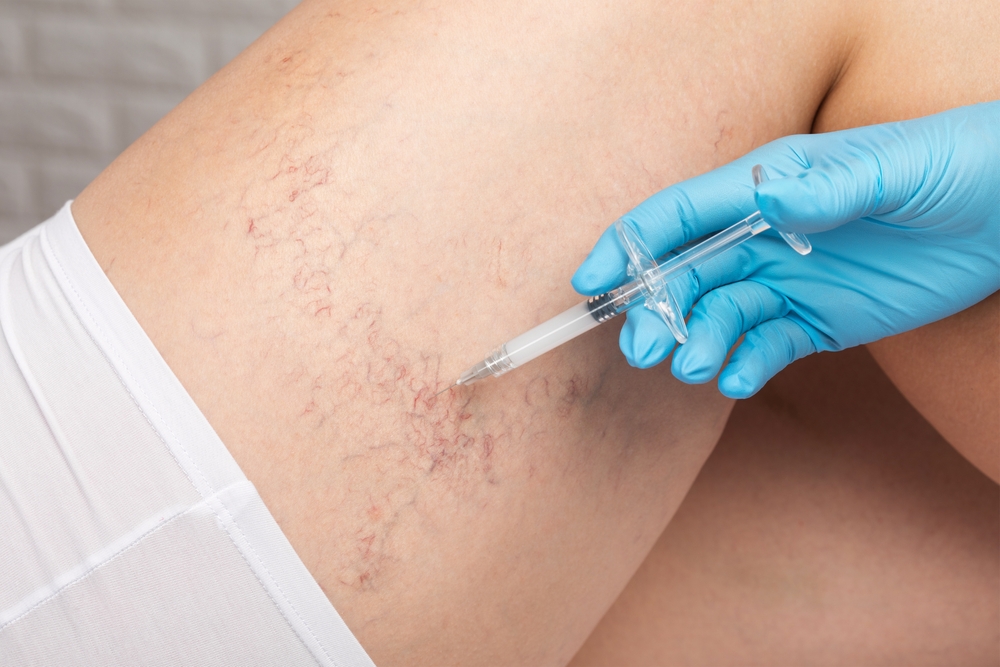
6 Most Common Questions Patients Ask About Sclerotherapy

Heading 2

Lorem ipsum dolor sit amet, consectetur adipisicing elit. Nostrum minus ea suscipit porro alias corporis libero at. Perferendis omnis, veniam nemo beatae vel? Tempora numquam a repellat eaque natus, magnam?

Heading 2

Lorem ipsum dolor sit amet, consectetur adipisicing elit. Autem ipsum mollitia neque, illum illo excepturi, eum incidunt fugit nostrum est, voluptate eaque minima corporis debitis at, dolores ipsam. Quaerat, dolores.

Heading 2

Lorem ipsum dolor sit amet, consectetur adipisicing elit. Autem ipsum mollitia neque, illum illo excepturi, eum incidunt fugit nostrum est, voluptate eaque minima corporis debitis at, dolores ipsam. Quaerat, dolores.

Heading 2

Lorem ipsum dolor sit amet, consectetur adipisicing elit. Autem ipsum mollitia neque, illum illo excepturi, eum incidunt fugit nostrum est, voluptate eaque minima corporis debitis at, dolores ipsam. Quaerat, dolores.

Heading 2

Lorem ipsum dolor sit amet, consectetur adipisicing elit. Autem ipsum mollitia neque, illum illo excepturi, eum incidunt fugit nostrum est, voluptate eaque minima corporis debitis at, dolores ipsam. Quaerat, dolores.

Spider veins and small varicose veins are incredibly common, but that doesn’t make them any less frustrating to deal with. Many patients spend years covering up their legs before finally looking into sclerotherapy, only to find themselves with a long list of questions they’re not sure how to answer.

Keep reading to learn six of the most frequently asked questions about sclerotherapy so you can walk into your consultation feeling informed and confident.

1. Who Is a Good Candidate for Sclerotherapy?

Most adults bothered by spider veins or small varicose veins are reasonable candidates for sclerotherapy. That said, certain factors, including pregnancy, blood-clotting conditions, and some medications, may mean the timing isn’t right or that a different approach would serve you better.

Dr. Albert Malvehy, a vein specialist at Golden State Dermatology, shares what the evaluation process looks like:

“Before recommending sclerotherapy, I take time to understand each patient’s full health picture. We look at the size and location of the veins, any relevant medical history, and what the patient is hoping to achieve. Not everyone needs the same approach, and the consultation is really about making sure we have a clear, realistic plan before we do anything. Patients who come in informed tend to have the best experience because they know what to expect from start to finish.”

A thorough consultation is the most reliable way to find out whether sclerotherapy is the right fit for your situation.

2. What Happens During the Procedure?

During sclerotherapy, a provider uses a very fine needle to inject a solution into the targeted veins. Our offices use ASCLERA®, the only name brand FDA-approved medication for treating spider veins. The solution dries the inner wall of the vein, causing it to seal shut.

Most sessions take between 15 and 30 minutes, depending on how many areas are being treated. The medication itself is painless so patients only feel a small pinch.

You’ll be able to walk out of the office and go about your normal routine shortly after.

3. Does Sclerotherapy Hurt?

This is one of the first things patients want to know, and the answer is reassuring. The needles used are very fine and discomfort tends to be very brief: just the small pinch that lasts less than a second.

ASCLERA®, the product our offices use for sclerotherapy, does not have a sensation upon being injected. This is a big improvement over the use of salt water or saline injections, which can be quite painful. The medication itself has no sensation, so people only feel the small pinch of the needle and are usually quite relieved at how minimal it is.

Some areas may be more sensitive than others, and individual pain tolerance varies. If you have concerns about comfort, it’s worth discussing with your provider beforehand so accommodations can be made.

4. How Many Sclerotherapy Sessions Will You Need?

There’s no single answer here. It depends on how many veins are being treated, their size, and how your body responds. Smaller or fewer veins may clear up after one or two sessions, while more extensive concerns may take three or more sessions. Sessions are typically spaced several weeks apart to allow the treated veins time to respond before assessing whether additional treatment is needed. Your provider will give you a realistic sense of what to expect at your consultation, though some adjustment along the way is normal.

5. What Is Recovery Like After Sclerotherapy?

Sclerotherapy requires very little downtime, which is one of the reasons so many patients choose it. Most people return to work and light activity on the same day.

A few things to keep in mind during recovery:

  • Compression socks are not typically needed for routine spider vein treatment. This is a big improvement over prior versions of sclerotherapy!
  • Avoid intense exercise, hot baths, and direct sun exposure on treated areas the day of treatment
  • Some bruising, redness, or swelling at the injection sites is normal and typically resolves within days to weeks

Results don’t appear immediately. The treated veins gradually fade over several weeks, with more noticeable improvement appearing around the four-to-six-week mark. Full results take about three months or twelve weeks.

Dr. Malvehy offers some perspective on what the healing process looks like:

“Patients will notice the area will look worse before it looks better — there may be some bruising or temporary darkening around the treated veins. That’s a completely normal part of the process. The veins need time to break down and be reabsorbed by the body, and once that happens, most patients are really pleased with what they see. Patience is key, and we’re always available to answer questions during the recovery period.”

6. Are the Results Permanent?

The veins that are successfully treated with sclerotherapy don’t come back. Once a vein is closed off and absorbed, it’s gone for good.

That said, sclerotherapy doesn’t prevent new veins from forming over time. Genetics, hormones, and time contribute to the development of new spider veins down the road. Maintaining a healthy weight and staying active can help slow that process.

Many patients find that periodic maintenance treatment every few years are enough to keep things looking the way they want.

Clearer Skin Starts With a Conversation

Sclerotherapy is a well-established, effective option for patients who want to address spider veins without surgery or significant recovery time. The questions above cover the basics, but everyone’s situation is a little different.

At Calkin & Boudreaux, our team works with each patient to develop a plan that fits their specific needs and goals. Getting the right information upfront makes the entire process smoother and more rewarding.

If you have questions about your skin, schedule an appointment at Calkin & Boudreaux today!
How Can You Tell If Your Razor Bumps Are Actually Bacterial Folliculitis

Heading 2

Lorem ipsum dolor sit amet, consectetur adipisicing elit. Nostrum minus ea suscipit porro alias corporis libero at. Perferendis omnis, veniam nemo beatae vel? Tempora numquam a repellat eaque natus, magnam?

Heading 2

Lorem ipsum dolor sit amet, consectetur adipisicing elit. Autem ipsum mollitia neque, illum illo excepturi, eum incidunt fugit nostrum est, voluptate eaque minima corporis debitis at, dolores ipsam. Quaerat, dolores.

Heading 2

Lorem ipsum dolor sit amet, consectetur adipisicing elit. Autem ipsum mollitia neque, illum illo excepturi, eum incidunt fugit nostrum est, voluptate eaque minima corporis debitis at, dolores ipsam. Quaerat, dolores.

Heading 2

Lorem ipsum dolor sit amet, consectetur adipisicing elit. Autem ipsum mollitia neque, illum illo excepturi, eum incidunt fugit nostrum est, voluptate eaque minima corporis debitis at, dolores ipsam. Quaerat, dolores.

Heading 2

Lorem ipsum dolor sit amet, consectetur adipisicing elit. Autem ipsum mollitia neque, illum illo excepturi, eum incidunt fugit nostrum est, voluptate eaque minima corporis debitis at, dolores ipsam. Quaerat, dolores.

After shaving, it’s easy to write off a cluster of red bumps as standard irritation and something that will fade in a day or two without much thought. But some of those bumps aren’t razor bumps at all. In some cases, it can be a bacterial skin infection that looks nearly identical and won’t improve without the right treatment.

Knowing the difference matters. Keep reading to learn what sets these two conditions apart, who’s most likely to deal with each one, and when it’s time to see a dermatologist.

What Are Razor Bumps?

Razor bumps happen when shaved hairs curl back and grow into the surrounding skin instead of outward. The body treats those hairs like foreign objects, which triggers redness, swelling, and small raised bumps in the area.

People with naturally curly or coarse hair are most prone to razor bumps. The face, neck, bikini line, and legs are the most frequently affected spots, though razor bumps can appear anywhere that’s shaved.

The bumps themselves tend to be firm, skin-colored or slightly red, and mildly itchy. There’s usually no pus involved, just trapped hairs and inflammation.

What Is Bacterial Folliculitis?

Bacterial folliculitis is an infection of the hair follicles, most often caused by a common bacterium called Staphylococcus aureus (staph for short). When bacteria enter a follicle, through a nick from shaving, friction, or even just touching the skin, they can multiply and cause an active infection.

Unlike razor bumps, this is a true infection, not just mechanical irritation. The follicles become inflamed from the inside out, and the body mounts a response to fight off the bacteria.

Meghan Hession, MD, a board-certified dermatologist at Golden State Dermatology in San Mateo, explains how this distinction affects treatment:

Razor bumps and bacterial folliculitis can look almost identical to the untrained eye, but they have entirely different causes. Razor bumps are a physical problem — a hair growing the wrong direction — while bacterial folliculitis is an active infection. Treating a bacterial infection with moisturizer and technique adjustments won’t resolve it, and treating razor bumps with antibiotics isn’t necessary. Getting the diagnosis right is the first step to actually clearing the skin.”

How Can You Tell the Difference?

This is where things get tricky, because both conditions produce clusters of small red bumps in shaved areas. There are, however, some reliable clues to look for.

The Appearance of the Bumps

Razor bumps are typically firm and raised, sometimes with a visible hair trapped inside. They don’t usually produce pus. Bacterial folliculitis, on the other hand, often produces small white or yellow pustules, bumps with a visible white or yellow center filled with fluid, centered around individual hair follicles.

Where They Show Up

Both can appear in shaved areas, but bacterial folliculitis isn’t limited to them. It can spread to non-shaved skin nearby, or show up in areas like the thighs, buttocks, or torso where friction and sweat are more of a factor.

How They Feel

Razor bumps are usually mildly itchy or tender but not particularly painful. Folliculitis bumps can be more noticeably sore, warm to the touch, or tender when pressed. A burning sensation alongside the redness is more characteristic of an infection than mechanical irritation.

How Quickly They Appear

Razor bumps typically show up within a day or two of shaving and stay in the shaved area. Folliculitis can appear in the same timeframe, but it tends to multiply and spread over time rather than staying contained. If new bumps keep cropping up days after shaving, especially in spots you didn’t shave, that’s worth paying attention to.

When Should You See a Dermatologist?

Some mild cases of folliculitis clear on their own with good hygiene and a break from shaving. But there are clear signals that it’s time to get a professional opinion rather than waiting it out.

If bumps are spreading, producing noticeable pus, growing larger, or haven’t improved after a week or two, a dermatologist can confirm what’s actually going on and prescribe the right course of treatment. Bumps that are unusually painful, warm, or accompanied by swollen lymph nodes or a fever need prompt attention, those are signs the infection may be deepening.

Naomi Han, PA-C, a provider at Golden State Dermatology in Brentwood, sees patients who’ve tried to manage folliculitis on their own without success:

“One of the most common scenarios we see is someone who’s been treating what they think are razor bumps for weeks with no improvement — sometimes things are even getting worse. A quick evaluation allows us to identify the type of folliculitis, whether it’s bacterial, fungal, or something else entirely, and prescribe the appropriate treatment. People are often surprised at how quickly their skin clears once they’re treating the right thing.”

It’s also worth seeing a dermatologist if folliculitis keeps coming back. Recurrent infections may point to an underlying factor, like a staph carrier state or an unrecognized skin condition,  that can be addressed to prevent future flare-ups.

Treatments for Bacterial Folliculitis

Treatment depends on how widespread the infection is and how the skin is responding. Mild cases are typically managed with a topical antibiotic that’s applied directly to the affected area for one to two weeks. More widespread or stubborn cases may call for an oral antibiotic, which treats the infection from the inside. A dermatologist will choose the right antibiotic based on the likely bacteria involved and how the skin has responded to previous treatments.

Treating folliculitis is different from treating razor bumps. Razor bumps respond to adjustments like switching to a single-blade razor, shaving in the direction of hair growth, using a proper shaving cream, and giving the skin breaks between shaves. None of those changes will clear a bacterial infection on their own, and antibiotics aren’t needed for true razor bumps. Applying the wrong approach delays improvement and can allow an infection to worsen.

Getting the Right Diagnosis Makes All the Difference

Both razor bumps and bacterial folliculitis are very manageable conditions, but only when they’re properly identified. Misreading one for the other is easy to do, especially early on, and it can lead to weeks of frustration with treatments that simply aren’t designed for what’s actually happening.

A brief visit with a dermatologist removes the guesswork. With a clear diagnosis, the path to clearer, calmer skin becomes straightforward.

If you have questions about your skin, schedule an appointment at Calkin & Boudreaux today!

How Do You Know if You Need Systemic Medications for Psoriasis?

Heading 2

Lorem ipsum dolor sit amet, consectetur adipisicing elit. Nostrum minus ea suscipit porro alias corporis libero at. Perferendis omnis, veniam nemo beatae vel? Tempora numquam a repellat eaque natus, magnam?

Heading 2

Lorem ipsum dolor sit amet, consectetur adipisicing elit. Autem ipsum mollitia neque, illum illo excepturi, eum incidunt fugit nostrum est, voluptate eaque minima corporis debitis at, dolores ipsam. Quaerat, dolores.

Heading 2

Lorem ipsum dolor sit amet, consectetur adipisicing elit. Autem ipsum mollitia neque, illum illo excepturi, eum incidunt fugit nostrum est, voluptate eaque minima corporis debitis at, dolores ipsam. Quaerat, dolores.

Heading 2

Lorem ipsum dolor sit amet, consectetur adipisicing elit. Autem ipsum mollitia neque, illum illo excepturi, eum incidunt fugit nostrum est, voluptate eaque minima corporis debitis at, dolores ipsam. Quaerat, dolores.

Heading 2

Lorem ipsum dolor sit amet, consectetur adipisicing elit. Autem ipsum mollitia neque, illum illo excepturi, eum incidunt fugit nostrum est, voluptate eaque minima corporis debitis at, dolores ipsam. Quaerat, dolores.

You’ve tried the creams, the ointments, the careful routines that eat up hours of your day. Yet your psoriasis persists, covering more skin or simply refusing to budge despite your best efforts.

This scenario plays out for millions of people whose psoriasis needs more than topical treatments can provide. Systemic medications, therapies that work throughout your body, may be the answer you’ve been looking for.

Keep reading to learn more about systemic medications for psoriasis and when they might be appropriate for certain people.

What Are Systemic Medications for Psoriasis?

Systemic medications are treatments that work throughout your body rather than just on your skin’s surface. These medications travel through your bloodstream to target the immune system processes that drive psoriasis.

The main categories include biologics (injections that target specific immune proteins), oral medications like methotrexate or apremilast, and newer oral options called JAK inhibitors. Each type works differently, but all aim to reduce inflammation and slow the rapid skin cell growth that characterizes psoriasis.

Unlike topical treatments that you apply directly to affected areas, systemic medications address the underlying immune dysfunction causing your symptoms. This option can be particularly effective for people whose psoriasis covers large areas or doesn’t respond adequately to creams and ointments alone.

When Topical Treatments Aren’t Enough

Creams and ointments form the foundation of psoriasis treatment for most people. However, these topical therapies have inherent limitations that can make them impractical or ineffective for certain patients.

Covering extensive areas of your body with topical medications becomes time-consuming and expensive when psoriasis affects more than small, isolated patches. Some people find that even with diligent application, their symptoms continue to worsen or fail to improve significantly.

Certain areas of the body prove particularly challenging to treat with topicals alone. The scalp, palms, and soles often resist topical therapy, and reaching your back without assistance can be nearly impossible.

John Peterson, MD, a board-certified dermatologist at Golden State Dermatology in Manteca, explains:

“Topical treatments remain an important part of psoriasis management, but they have practical limits. When patients are spending hours each day applying medications to large areas, or when they’ve used multiple topical therapies without adequate improvement, it’s time to consider systemic options. The goal is always to find a treatment approach that’s both effective and sustainable for your lifestyle. Nobody should have to choose between managing their psoriasis and living their life.”

Some patients experience side effects from topical steroids with long-term use, including skin thinning or changes in pigmentation, which can be another reason to try systemic medications. Others simply cannot tolerate the texture, smell, or time commitment required for effective topical therapy.

How Is Psoriasis Impacting Your Daily Life?

The physical symptoms of psoriasis tell only part of the story. The condition’s impact on your emotional wellbeing, relationships, and daily activities plays an equally important role in treatment decisions.

Sleep and Daily Functioning

Sleep disruption from itching and discomfort can lead to fatigue, difficulty concentrating, and decreased productivity at work or school. The constant cycle of poor sleep affects everything from your mood to your ability to focus on important tasks.

Social and Emotional Impact

Many people find themselves avoiding social situations, intimate relationships, or activities they once enjoyed because of self-consciousness about their skin. The visible nature of psoriasis can trigger anxiety, depression, and social isolation.

Some people report avoiding swimming pools, beaches, or gym facilities where their skin would be visible to others. These avoidance behaviors can spiral into deeper isolation and negatively affect mental health over time.

Work and Practical Challenges

Work limitations may arise when psoriasis affects your hands or when flares interfere with your ability to perform job duties effectively. The time required for treatment application can cut into personal time and make maintaining your regimen challenging.

Quality of Life in Treatment Decisions

Dermatologists use quality of life assessments to understand how psoriasis affects you beyond just the physical symptoms. Even patients with relatively limited body surface area involvement may be excellent candidates for systemic therapy if their condition significantly impacts their daily functioning and wellbeing.

Joshua Worth, PA-C, an NCCPA-certified physician assistant at Golden State Dermatology in Los Gatos and San Mateo, explains:

“I’ve seen patients who technically have ‘mild’ psoriasis on paper, but it’s on their hands or face and completely disrupting their lives. They’re calling in sick to work, avoiding friends and family, struggling with anxiety and depression. In those cases, the numbers don’t capture the full story. We’re treating people, not percentages. If psoriasis is preventing you from living the life you want to live, that’s significant disease that deserves effective treatment, and systemic medications can be life-changing for these patients.”

The psychological burden of psoriasis deserves the same attention as the physical symptoms. Treatment decisions should reflect your personal experience with the condition, not just the percentage of skin involved.

Are You a Candidate for Systemic Therapy?

Several signs point to systemic medications being a good fit for your situation.

The amount of skin involved matters. If psoriasis covers more than 10% of your body, systemic treatment may be recommended, though even smaller areas can qualify depending on where they appear.

Your treatment history tells an important story, too. When you’ve consistently used topical medications for several months without seeing real improvement, it’s a clear signal that your psoriasis needs a different approach.

Your daily experience with psoriasis weighs heavily in this decision. If you’re losing sleep, missing work, skipping social events, or struggling emotionally because of your skin, those impacts matter just as much as the physical symptoms.

Your dermatologist will also look at your overall health picture, including other medications you’re taking and any medical conditions that might affect which treatments work best for you.

This decision works best as a conversation between you and your dermatologist. You’ll weigh the potential benefits against any risks or side effects, considering what matters most to you and how treatment fits into your life.

Finding the Treatment That Works for You

Psoriasis varies tremendously from person to person, and so does the best treatment approach. Systemic medications offer powerful options for people whose psoriasis doesn’t respond adequately to topical therapy or significantly impacts their quality of life.

If your condition affects your daily life, causes physical discomfort, or doesn’t improve with topical therapy, you deserve a conversation about all available treatment options.

If you have questions about your skin, schedule an appointment at Calkin & Boudreaux today!

6 Myths About Laser Skin Resurfacing

Heading 2

Lorem ipsum dolor sit amet, consectetur adipisicing elit. Nostrum minus ea suscipit porro alias corporis libero at. Perferendis omnis, veniam nemo beatae vel? Tempora numquam a repellat eaque natus, magnam?

Heading 2

Lorem ipsum dolor sit amet, consectetur adipisicing elit. Autem ipsum mollitia neque, illum illo excepturi, eum incidunt fugit nostrum est, voluptate eaque minima corporis debitis at, dolores ipsam. Quaerat, dolores.

Heading 2

Lorem ipsum dolor sit amet, consectetur adipisicing elit. Autem ipsum mollitia neque, illum illo excepturi, eum incidunt fugit nostrum est, voluptate eaque minima corporis debitis at, dolores ipsam. Quaerat, dolores.

Heading 2

Lorem ipsum dolor sit amet, consectetur adipisicing elit. Autem ipsum mollitia neque, illum illo excepturi, eum incidunt fugit nostrum est, voluptate eaque minima corporis debitis at, dolores ipsam. Quaerat, dolores.

Heading 2

Lorem ipsum dolor sit amet, consectetur adipisicing elit. Autem ipsum mollitia neque, illum illo excepturi, eum incidunt fugit nostrum est, voluptate eaque minima corporis debitis at, dolores ipsam. Quaerat, dolores.

Laser skin resurfacing has been around long enough to build a strong track record and a surprising number of misconceptions. For every patient who has seen real, lasting results, there’s another who talked themselves out of even asking about it because of something they heard, read, or assumed.

Separating fact from fiction makes it much easier to decide whether this treatment is worth exploring. Here’s a closer look at six of the most common myths about laser skin resurfacing and what’s actually true!

What Is Laser Skin Resurfacing?

Laser skin resurfacing uses focused light energy to improve the appearance of the skin. Depending on the type of laser used, it can reduce the look of fine lines, sun damage, uneven tone, acne scars, and other textural concerns.

There are two main categories of laser treatments: ablative and non-ablative.

Ablative lasers remove the outer layer of skin to trigger a more intensive renewal process, while non-ablative lasers work beneath the surface without disrupting the skin on top. Both approaches stimulate collagen production and can deliver meaningful improvements. The right choice depends on a patient’s skin concerns, skin type, and how much downtime they can tolerate.

At Calkin & Boudreaux, providers offer both options, allowing for treatment plans tailored to each individual’s goals.

Myth #1: Laser Resurfacing Is Only for Serious Skin Damage

Many people assume laser treatments are reserved for patients with deep wrinkles, significant scarring, or years of sun damage. The truth is that laser resurfacing addresses a wide range of concerns, from mild texture issues and early sun spots to more advanced signs of aging.

Non-ablative lasers, in particular, are well-suited for patients who want to address subtle concerns before they become more prominent. Some patients choose laser treatments as a preventative measure to maintain skin quality, not just to correct existing damage.

Dr. Peterson Pierre, a board-certified dermatologist at Golden State Dermatology in Thousand Oaks, treats patients across a wide range of skin concerns using both ablative and non-ablative laser techniques:

“One of the most rewarding aspects of laser treatments is how versatile they are. Patients sometimes come in expecting to be told they don’t ‘need’ a laser yet, and they’re often surprised to learn that earlier intervention can actually yield some of the most satisfying results. Whether someone has mild sun spots or more significant skin damage, there’s usually a laser option that fits their situation well. The key is matching the right treatment to the right patient — that’s where a thorough consultation really makes a difference.”

Myth #2: Laser Treatments Aren’t Safe for Darker Skin Tones

This myth has persisted for years, and while it has some historical basis, it no longer reflects the current state of laser technology.

Older laser systems posed a greater risk of hyperpigmentation, meaning darkening of the skin, for patients with more melanin. That risk was real and warranted caution.

Modern laser platforms have expanded what’s safely possible for a broader range of skin tones. Certain wavelengths and settings are better suited for darker complexions, and a skilled, experienced provider knows how to adjust parameters accordingly to minimize risk and still deliver results.

The most important factor is the dermatologist operating it. A provider who understands how different skin tones respond to laser energy can select the appropriate device, settings, and pre-treatment protocol to protect the skin while still achieving the desired outcome.

Patients with deeper skin tones deserve the same access to effective skin treatments, and a consultation with a knowledgeable provider is the best way to understand which options are appropriate for them specifically.

Myth #3: Recovery Takes Months

Downtime varies considerably depending on the type of laser used, and this is where the myth gets its foothold. Ablative lasers, particularly fully ablative treatments, do involve a real recovery period. Redness, peeling, and some swelling are part of the healing process, and it can take a week or two before the skin fully settles.

Non-ablative treatments, however, are a different story. Most patients tolerate them with minimal disruption to their daily routine. Some redness and mild swelling may occur, but these typically resolve within a day or two. Fractional laser options, which treat a portion of the skin at a time rather than the entire surface, fall somewhere in between, offering meaningful results with less recovery than fully ablative approaches.

Myth #4: Results Show Up Right Away

On the other end of the misconception spectrum, some patients expect to see dramatic improvements immediately after treatment.

While there may be some visible changes early on, the real results from laser resurfacing tend to develop over time.

Laser treatments work in part by stimulating the skin’s natural collagen-building process. Collagen production takes time, and the skin continues to improve for weeks, sometimes months, after the initial treatment. Most patients notice their skin looking progressively better over a three-to-six-month window following their session.

Kim Rufkahr, RN, a registered nurse at Golden State Dermatology in Mountain View, puts it this way:

“Patients who understand the timeline tend to have the most satisfying experiences. The skin is doing a lot of work after a laser treatment — rebuilding, remodeling, and generating new collagen — and that process isn’t instant. We usually tell patients that what they see at two weeks is a preview, and what they see at three to six months is the real result. Once they know what to expect, the gradual improvement feels exciting rather than disappointing. The patience is always worth it.”

Setting realistic expectations upfront leads to much better outcomes because patients are equipped to appreciate the process.

Myth #5: Laser Resurfacing Is Too Painful to Tolerate

Fear of discomfort is one of the most common reasons patients hesitate, and it’s understandable. The word “laser” can call to mind something intense or uncomfortable. The reality of most modern laser treatments, though, is far more manageable than people anticipate.

Topical numbing cream is applied before most procedures, which significantly reduces sensation during treatment. Many laser devices also incorporate cooling technology to protect the skin’s surface and keep patients comfortable throughout. The majority of people describe the experience as a mild warmth or snapping sensation, noticeable but not difficult to tolerate.

Ablative treatments involve a deeper level of intervention and may require more robust pain management, which a provider will discuss ahead of time. For non-ablative options, discomfort is typically minimal and short-lived.

Myth #6: One Treatment Is All You’ll Ever Need – Or Ever Get

There are two versions of this myth, and both are worth addressing. The first is the assumption that a single session will produce permanent, complete results. The second is the concern that laser treatments somehow “use up” the skin’s capacity for future treatment.

Neither is accurate. Some concerns respond well to a single session, while others, particularly acne scarring or more significant sun damage, may benefit from a series of treatments spaced several weeks apart. Your provider will outline what a realistic treatment plan looks like during the consultation, so expectations are calibrated from the start.

A consultation at Calkin & Boudreaux is the clearest path to understanding which options make sense for your skin, your concerns, and your lifestyle.

If you have questions about your skin, schedule an appointment at Calkin & Boudreaux today!

The Ultimate Wedding Skin Prep Timeline for Brides

Heading 2

Lorem ipsum dolor sit amet, consectetur adipisicing elit. Nostrum minus ea suscipit porro alias corporis libero at. Perferendis omnis, veniam nemo beatae vel? Tempora numquam a repellat eaque natus, magnam?

Heading 2

Lorem ipsum dolor sit amet, consectetur adipisicing elit. Autem ipsum mollitia neque, illum illo excepturi, eum incidunt fugit nostrum est, voluptate eaque minima corporis debitis at, dolores ipsam. Quaerat, dolores.

Heading 2

Lorem ipsum dolor sit amet, consectetur adipisicing elit. Autem ipsum mollitia neque, illum illo excepturi, eum incidunt fugit nostrum est, voluptate eaque minima corporis debitis at, dolores ipsam. Quaerat, dolores.

Heading 2

Lorem ipsum dolor sit amet, consectetur adipisicing elit. Autem ipsum mollitia neque, illum illo excepturi, eum incidunt fugit nostrum est, voluptate eaque minima corporis debitis at, dolores ipsam. Quaerat, dolores.

Heading 2

Lorem ipsum dolor sit amet, consectetur adipisicing elit. Autem ipsum mollitia neque, illum illo excepturi, eum incidunt fugit nostrum est, voluptate eaque minima corporis debitis at, dolores ipsam. Quaerat, dolores.

Radiant, camera-ready skin for your wedding day requires careful planning and the right professional guidance well before you say “I do.”

Starting your skin journey early gives treatments time to work, allows for adjustments, and prevents the stress of dealing with unexpected reactions close to your big day. Here’s exactly when to schedule each treatment for the best possible results!

12-6 Months Before the Wedding

This early window opens the door for transformative treatments that need significant recovery time. Schedule your initial consultation with a dermatologist at Calkin & Boudreaux to discuss your specific concerns and create a personalized plan.

Fraxel Dual Laser

Deep wrinkles, acne scars, and rough texture require this powerful resurfacing treatment. Fraxel works by creating microscopic wounds that trigger your skin to produce fresh, healthy cells.

Recovery takes one to two weeks per session, and most brides need three to four treatments for dramatic improvement. Starting now gives each session time to heal completely while allowing your skin to rebuild collagen between appointments.

Prescription Treatments for Acne

Persistent breakouts won’t clear up overnight. Prescription medications like retinoids or oral antibiotics often take three to six months to show their full effects. Beginning treatment early prevents the panic of dealing with active acne as your wedding approaches. Your dermatologist can adjust medications if the first option doesn’t work, something impossible to do in a shorter timeframe.

Medical-Grade Skincare Foundation

Building a solid routine now sets the stage for every treatment that follows. Professional-strength products with ingredients like vitamin C, hyaluronic acid, and prescription retinoids improve your baseline skin quality.

Consistency matters more than quick fixes. Daily use of the right products gradually fades hyperpigmentation, strengthens your skin barrier, and creates the healthy canvas that makes all other treatments more effective.

6-3 Months Before the Wedding

The middle months focus on refinement and addressing specific concerns without the lengthy recovery of more aggressive options.

Chemical Peels for Brightness and Texture

Dull skin, uneven tone, and minor texture issues respond beautifully to a series of chemical peels. These controlled exfoliation treatments remove dead surface cells and reveal the fresh, glowing skin underneath.

Multiple sessions spaced four to six weeks apart build cumulative results. Starting in this window gives you time for three peels, which creates noticeable improvement without overwhelming your skin.

IPL FotoFacial for Sun Damage

Brown spots, broken capillaries, and overall redness show up harshly in wedding photos. IPL FotoFacial uses light energy to target these pigmentation and vascular issues. You’ll need two to three treatments for significant clearing, with each session spaced about one month apart. Some darkening of spots occurs before they flake off, which is why timing matters.

Emily McKenzie, MD, a board-certified dermatologist at Golden State Dermatology in Alamo, explains the importance of this mid-timeline phase:

Many brides want to rush into injectables without addressing skin quality first. The most stunning wedding day results come from improving the canvas before adding enhancements. When we tackle texture, tone, and overall skin health in these middle months, any final touches with fillers or Botox look that much more natural and beautiful.”

Microneedling for Scars and Firmness

Acne scars, enlarged pores, and loss of firmness improve dramatically with microneedling. Tiny needles create controlled micro-injuries that trigger collagen production and skin renewal. Plan for three to four sessions spaced four to six weeks apart. Results build gradually as your skin produces new collagen, with continued improvement for several months after your final treatment.

Trial Run for Botox

First-time Botox should never happen close to your wedding. Testing it at the six-month mark shows you exactly how your face responds and whether you like the look.

Some people bruise easily or feel the results are too strong or too subtle. Knowing your response now prevents wedding day regrets and allows adjustments to your final pre-wedding appointment.

3-1 Months Before the Wedding

Final enhancement treatments happen during this window when your skin has already improved significantly. Choose based on your remaining goals.

Dermal Fillers for Volume and Smoothness

These gel-based injections add subtle volume that looks natural and photographs beautifully. Schedule filler appointments six to eight weeks before your wedding. This timing allows any swelling or bruising to resolve completely while giving you a window for minor adjustments if needed.

Botox for Line Smoothing

Book your appointment six to eight weeks out. Botox takes about two weeks to reach its full effect and lasts three to four months, putting you at peak results on your wedding day.

Maintenance Chemical Peels

If you’ve been doing peels in previous months, one final treatment about six weeks before your wedding maintains your glow. Stick with the same strength and type you’ve used successfully before.

HydraFacial or DiamondGlow

These hydrating, exfoliating treatments deliver instant radiance with zero downtime. Perfect for brides who want professional-level results without any risk of adverse reactions.

Schedule one treatment in this window, then another closer to your wedding. The immediate glow makes these ideal for brides who haven’t done more aggressive treatments throughout their timeline.

2-4 Weeks Before the Wedding

Conservative choices protect you during this critical period. This is not the time for anything new or aggressive.

Your proven skincare products should stay exactly as they’ve been for months. Resist the temptation to try that new serum your friend raves about or switch to a different moisturizer.

Ashley Kim, PA-C, a board-certified dermatologist at Dermatology & Laser Centre, a Golden State Dermatology affiliate in Studio City, advises caution during this window:

“The biggest mistake brides make is panicking about a small imperfection and trying something drastic in the final weeks. I’ve seen brides attempt aggressive peels or new acne treatments days before their wedding, only to end up with angry, inflamed skin. Trust the process you’ve been following and resist the urge to make last-minute changes.”

Your skin knows these products and responds predictably. Introducing new ingredients risks allergic reactions, breakouts, or irritation that won’t have time to heal.

Gentle Esthetician Facials

Maintaining your glow without risk requires sticking to gentle, hydrating facials with an esthetician you trust. Book your facial at least two weeks before the wedding, never closer. Even gentle treatments can occasionally cause temporary redness or minor breakouts as your skin adjusts.

Final Laser Hair Removal

If you’ve been doing a laser hair removal series, your last session should happen at the two-week mark minimum. This gives any redness or irritation time to resolve completely.

Areas that will show in your dress, like arms, legs, or back, need this buffer period. Showing up to your wedding with inflamed skin from a too-recent treatment creates unnecessary stress.

The Week of Your Wedding

Final preparations emphasize maintaining what you’ve built rather than making changes. Simple, proven treatments keep you glowing without any risk.

Optional Gentle Facial

Schedule a calming, hydrating facial three to four days before your wedding if you want professional pampering. Choose only treatments you’ve had before with an esthetician who knows your skin.

Skip this entirely if you’re nervous about any reaction. Your at-home routine will keep you looking great, and the peace of mind might be worth more than the treatment.

Emergency Spot Treatments

Unexpected blemishes sometimes appear despite your best efforts. Your dermatologist can provide cortisone injections for particularly stubborn spots that pop up in the final days.

Call your dermatologist’s office as soon as you notice a problem spot. Quick treatment can minimize the issue significantly, but you need professional help rather than attempting aggressive at-home extraction.

Daily Routine Maintenance

Continue your established morning and evening skincare exactly as you have been. This consistency keeps your skin balanced and prevents any last-minute surprises.

Stay hydrated, prioritize sleep when possible, and limit alcohol consumption. These lifestyle factors impact how your skin looks and photographs more than most people realize.

Start Your Journey to Wedding Day Radiance

The difference between hoping for great skin and actually having it comes down to planning and professional guidance. Brides who start early and follow a strategic timeline walk down the aisle with genuine confidence.

If you have questions about your skin, schedule an appointment at Calkin & Boudreaux today!
Top 4 Body Areas Where Seborrheic Dermatitis Commonly Appears

Heading 2

Lorem ipsum dolor sit amet, consectetur adipisicing elit. Nostrum minus ea suscipit porro alias corporis libero at. Perferendis omnis, veniam nemo beatae vel? Tempora numquam a repellat eaque natus, magnam?

Heading 2

Lorem ipsum dolor sit amet, consectetur adipisicing elit. Autem ipsum mollitia neque, illum illo excepturi, eum incidunt fugit nostrum est, voluptate eaque minima corporis debitis at, dolores ipsam. Quaerat, dolores.

Heading 2

Lorem ipsum dolor sit amet, consectetur adipisicing elit. Autem ipsum mollitia neque, illum illo excepturi, eum incidunt fugit nostrum est, voluptate eaque minima corporis debitis at, dolores ipsam. Quaerat, dolores.

Heading 2

Lorem ipsum dolor sit amet, consectetur adipisicing elit. Autem ipsum mollitia neque, illum illo excepturi, eum incidunt fugit nostrum est, voluptate eaque minima corporis debitis at, dolores ipsam. Quaerat, dolores.

Heading 2

Lorem ipsum dolor sit amet, consectetur adipisicing elit. Autem ipsum mollitia neque, illum illo excepturi, eum incidunt fugit nostrum est, voluptate eaque minima corporis debitis at, dolores ipsam. Quaerat, dolores.

Seborrheic dermatitis shows up uninvited and often overstays its welcome, but it follows a fairly predictable pattern. This inflammatory skin condition gravitates toward your body’s oiliest zones, creating flaky, red patches that range from mildly annoying to genuinely uncomfortable.

The condition has distinct locations where it prefers to appear, and these areas share common characteristics related to oil gland activity.

Keep reading to learn where seborrheic dermatitis most commonly develops and what makes these zones particularly vulnerable.

What Is Seborrheic Dermatitis?

Seborrheic dermatitis is an inflammatory skin condition that targets areas with the highest concentration of oil-producing glands. The condition tends to be chronic, meaning it comes and goes throughout your life rather than resolving permanently. Flare-ups can range from mild dandruff to extensive, uncomfortable rashes that affect multiple body areas.

While anyone can develop seborrheic dermatitis, it’s most common in adults between 30 and 60 years old. Certain factors increase your risk, including stress, cold and dry weather, weakened immune systems, and neurological conditions like Parkinson’s disease.

Where Does Seborrheic Dermatitis Commonly Appear?

Seborrheic dermatitis has a distinctive pattern, appearing primarily where sebaceous (oil) glands are most active.

The hallmark of seborrheic dermatitis is its preference for oily zones, though the severity and exact presentation can vary significantly from person to person. Some experience symptoms in just one area, while others deal with multiple affected sites simultaneously.

1. Scalp

The scalp is by far the most frequent location for seborrheic dermatitis, affecting the majority of people with this condition.

You might notice anything from light flaking that resembles simple dandruff to thick, crusty scales accompanied by redness and itching.

The oil glands on your scalp work overtime compared to many other body areas, creating an ideal environment for the yeast associated with seborrheic dermatitis to thrive. This explains why shampooing frequency and product choice can significantly impact symptom severity.

When seborrheic dermatitis affects the scalp, symptoms often worsen in winter months when indoor heating dries out the skin. The flakes may appear white or yellowish and can be embarrassing when they fall onto your shoulders and clothing.

2. Face

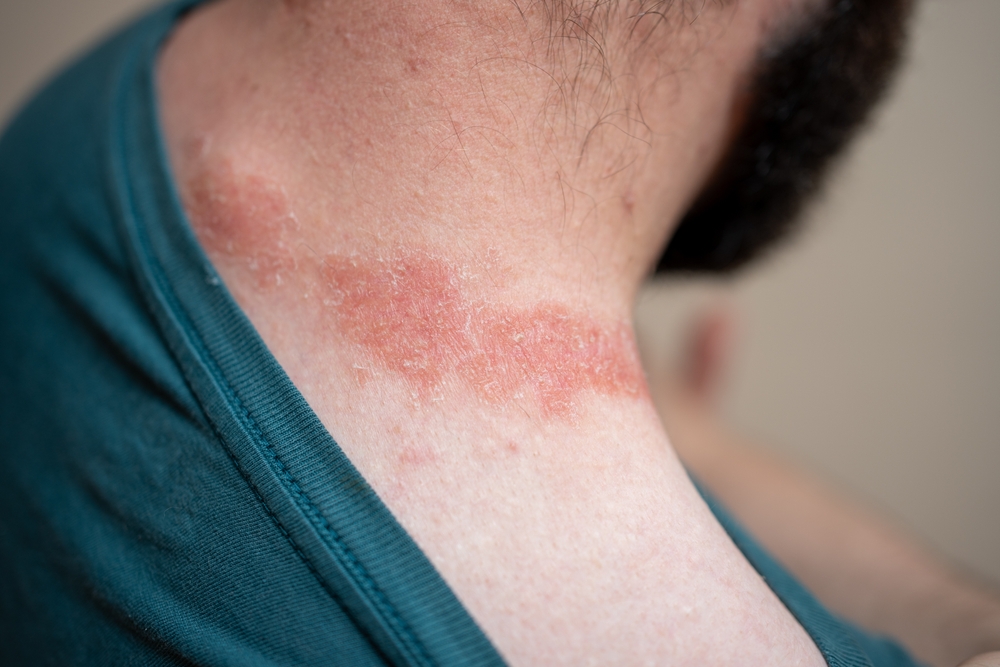
Facial seborrheic dermatitis typically clusters around the nose, eyebrows, and the area between your brows. These zones contain numerous oil glands, making them prime real estate for this condition to develop.

You might also notice symptoms behind your ears and along the hairline. The skin in these areas often appears red with greasy-looking, yellowish scales that can be mistaken for dry skin or other conditions like psoriasis.

Robert G. Greenberg, MD, a board-certified dermatologist at Golden State Dermatology in Livermore and San Ramon, explains the unique challenges of facial seborrheic dermatitis:

“Many patients initially try to scrub away the flakes on their face, thinking it’s just dry skin or poor hygiene, but this approach usually makes the inflammation worse. The facial skin is delicate, and seborrheic dermatitis requires gentle, targeted treatment rather than aggressive exfoliation. We often see patients who have unknowingly irritated their skin further by using harsh products, when what they really needed was a proper diagnosis and appropriate medicated treatments that address the underlying yeast overgrowth and inflammation.”

Treating facial areas requires extra care since the skin is thinner and more visible. Products that work well on the scalp may be too harsh for facial use, so your dermatologist can recommend formulations specifically designed for these sensitive zones.

3. Chest and Back

The upper chest and the area between your shoulder blades are common sites for seborrheic dermatitis to develop. These regions contain plenty of oil glands and can trap sweat and moisture, especially under clothing.

Symptoms in these areas might look slightly different from those on your face or scalp. You’ll typically see patches of pink or red skin with white or yellowish scales that can sometimes feel slightly greasy to the touch.

The chest and back presentation often bothers people less than facial or scalp symptoms simply because clothing conceals these areas. However, the itching and discomfort can be just as intense and warrant proper treatment regardless of visibility.

4. Body Folds and Creases

Seborrheic dermatitis frequently appears in body folds where skin touches skin, including the armpits, groin, and under the breasts. The combination of moisture, warmth, friction, and oil gland activity in these areas creates perfect conditions for flare-ups.

The constant rubbing and moisture can make the skin more prone to irritation and secondary infections if left untreated. Proper treatment combined with keeping these areas clean and dry becomes essential for managing symptoms effectively.

Jessica Kramer, PA-C, a certified physician assistant at Dermatology & Laser Centre, a Golden State Dermatology affiliate in Studio City, notes the importance of understanding your personal triggers:

“Every patient has a unique set of factors that seem to worsen their seborrheic dermatitis, which is why I always recommend keeping a symptom diary when you first notice a pattern. One person might flare with certain hair products, while another reacts to stress or seasonal changes. Identifying your specific triggers allows us to create a more personalized management strategy that goes beyond just treating active symptoms. Sometimes simple lifestyle adjustments, combined with appropriate medical treatments, can dramatically reduce how often and how severely flare-ups occur.”

How Is Seborrheic Dermatitis Treated?

Treatment approaches vary depending on which body areas are affected and how severe your symptoms are.

Medicated shampoos containing ingredients like ketoconazole, selenium sulfide, or zinc pyrithione work well for scalp involvement and can often be used on other areas too.

Topical antifungal creams or lotions target the yeast that contributes to inflammation. These medications are particularly useful for facial, chest, and body fold areas where medicated shampoos might be impractical or too drying.

Mild topical corticosteroids can reduce inflammation and itching during flare-ups, though your dermatologist will typically recommend using these for short periods to avoid side effects.

For stubborn cases, prescription-strength treatments or combination therapies may be necessary to gain control.

Lifestyle modifications tailored to affected areas can support medical treatments significantly. This might include adjusting how often you wash your hair, switching to fragrance-free products, managing stress through exercise or meditation, or wearing breathable fabrics that reduce moisture buildup in body folds.

When to See a Dermatologist

You should schedule an appointment if you notice persistent flaking, redness, or itching that doesn’t improve with over-the-counter dandruff shampoos after a few weeks. Early evaluation helps prevent symptoms from becoming more severe and spreading to additional areas.

If you’ve tried multiple over-the-counter products without success, a dermatologist can prescribe stronger medications and develop a comprehensive treatment plan. What works for one person might not work for another, so professional guidance ensures you’re using the most effective approach for your specific situation.

If you have questions about your skin, schedule an appointment at Clakin & Boudreaux today!

What Is the Difference Between Rosacea and Regular Sensitive Skin?

Heading 2

Lorem ipsum dolor sit amet, consectetur adipisicing elit. Nostrum minus ea suscipit porro alias corporis libero at. Perferendis omnis, veniam nemo beatae vel? Tempora numquam a repellat eaque natus, magnam?

Heading 2

Lorem ipsum dolor sit amet, consectetur adipisicing elit. Autem ipsum mollitia neque, illum illo excepturi, eum incidunt fugit nostrum est, voluptate eaque minima corporis debitis at, dolores ipsam. Quaerat, dolores.

Heading 2

Lorem ipsum dolor sit amet, consectetur adipisicing elit. Autem ipsum mollitia neque, illum illo excepturi, eum incidunt fugit nostrum est, voluptate eaque minima corporis debitis at, dolores ipsam. Quaerat, dolores.

Heading 2

Lorem ipsum dolor sit amet, consectetur adipisicing elit. Autem ipsum mollitia neque, illum illo excepturi, eum incidunt fugit nostrum est, voluptate eaque minima corporis debitis at, dolores ipsam. Quaerat, dolores.

Heading 2

Lorem ipsum dolor sit amet, consectetur adipisicing elit. Autem ipsum mollitia neque, illum illo excepturi, eum incidunt fugit nostrum est, voluptate eaque minima corporis debitis at, dolores ipsam. Quaerat, dolores.

If your skin frequently becomes red, irritated, or uncomfortable, you might wonder whether you’re dealing with sensitive skin or something more specific, like rosacea. Many people use these terms interchangeably, but they’re actually two different conditions that require different approaches to treatment and care. Let’s explore what sets these conditions apart and how to identify which one might be affecting you.

What Is Sensitive Skin?

Sensitive skin is a common condition where your skin reacts more easily to products, environmental factors, or physical irritation than normal skin would. People with sensitive skin often experience stinging, burning, itching, or redness when using certain skincare products or being exposed to specific triggers.

This type of skin sensitivity can affect anyone and may come and go throughout your life depending on various factors like stress, hormones, or changes in your environment. Sensitive skin typically responds well to gentle, fragrance-free products and careful attention to potential irritants in your routine.

What Is Rosacea?

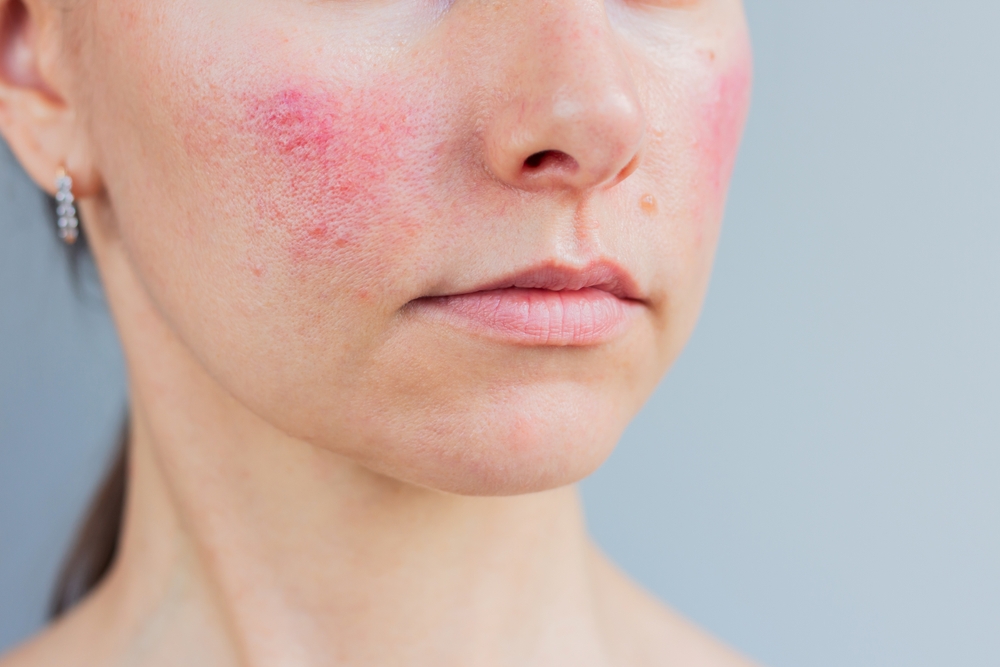
Rosacea is a chronic inflammatory skin condition that primarily affects the central area of your face, including your cheeks, nose, chin, and forehead. Unlike temporary skin sensitivity, rosacea is a medical condition that tends to worsen over time without proper treatment.

The condition typically appears as persistent redness, visible blood vessels, and sometimes small bumps that might look like acne. Rosacea often develops in adults over 30 and can vary significantly in severity from person to person, ranging from mild redness to more noticeable symptoms that affect daily life.

Shirlene Jay, MD, a board-certified dermatologist at South Bay Dermatology, a Golden  State Dermatology Affiliate in Torrance, explains the importance of recognizing rosacea early:

“Many patients come to us thinking they just have sensitive skin, but rosacea is actually a progressive condition that benefits greatly from early intervention. The sooner we can identify and treat rosacea, the better we can control symptoms and prevent the condition from advancing to more severe stages. What starts as occasional flushing can develop into persistent redness and visible blood vessels if left untreated, which is why proper diagnosis is so important for long-term skin health.”

Key Differences in Symptoms and Appearance

While both conditions can cause redness and irritation, they have distinct characteristics that help differentiate them.

Sensitive skin reactions are typically temporary and directly related to a specific trigger, like using a new product or being exposed to harsh weather. Rosacea, on the other hand, causes persistent redness that doesn’t completely fade between flare-ups.

The redness associated with rosacea usually appears in a butterfly pattern across the central face, and you might notice small visible blood vessels or bumps that resemble acne but don’t respond to typical acne treatments. People with sensitive skin might experience reactions anywhere on their body, while rosacea specifically affects facial skin.

The timing is also different. Sensitive skin reactions usually resolve shortly after exposure to an irritant, while rosacea symptoms can persist for days, weeks, or even become permanent without treatment.

When Sensitive Skin and Rosacea Overlap

It’s entirely possible to have both sensitive skin and rosacea, which can make diagnosis more challenging.

People with rosacea often develop increased skin sensitivity as part of their condition, meaning they may react to products and ingredients that never bothered them before.

This overlap can create a cycle where sensitive skin reactions trigger rosacea flare-ups, and rosacea makes the skin more sensitive overall. Breaking this cycle requires understanding both conditions and developing a comprehensive approach to skincare and trigger avoidance.

Patricia Loo, PA-C, a certified physician assistant at Golden State Dermatology in Walnut Creek, notes the complexity of overlapping conditions:

When patients have both sensitive skin and rosacea, treatment becomes more nuanced because we need to address the chronic inflammation of rosacea while also protecting against sensitivity reactions. This often means starting with very gentle, minimal ingredients and gradually building a routine that manages both conditions. The key is identifying which symptoms are related to sensitivity versus rosacea, so we can target our treatments appropriately and avoid inadvertently making either condition worse.”

While you might be able to identify obvious triggers or patterns in your skin’s behavior, getting a professional diagnosis is important for several reasons. Dermatologists can distinguish between rosacea and sensitive skin through visual examination and understanding your symptom history.

A professional evaluation can also rule out other conditions that might mimic rosacea or sensitive skin, such as seborrheic dermatitis, contact dermatitis, or lupus. This ensures you receive the most appropriate treatment for your specific situation rather than guessing based on symptoms alone.

When It’s Time to See a Dermatologist

If you’re experiencing persistent facial redness that doesn’t improve with gentle skincare, it’s time to consult a dermatologist.

You should also seek professional help if your skin sensitivity seems to be worsening over time, if you’re having trouble identifying triggers, or if your symptoms are affecting your quality of life or self-confidence. Early intervention often leads to better outcomes for both conditions.

Whether you’re dealing with sensitive skin, rosacea, or both, the path to healthier skin starts with understanding exactly what you’re treating. While sensitive skin can often be managed with the right products and lifestyle adjustments, rosacea requires ongoing medical care to prevent progression and maintain clear skin.

If you have questions about your skin, schedule an appointment at Calkin & Boudreaux today!

Why Professional RF Microneedling Beats At-Home Devices Every Time

Heading 2

Lorem ipsum dolor sit amet, consectetur adipisicing elit. Nostrum minus ea suscipit porro alias corporis libero at. Perferendis omnis, veniam nemo beatae vel? Tempora numquam a repellat eaque natus, magnam?

Heading 2

Lorem ipsum dolor sit amet, consectetur adipisicing elit. Autem ipsum mollitia neque, illum illo excepturi, eum incidunt fugit nostrum est, voluptate eaque minima corporis debitis at, dolores ipsam. Quaerat, dolores.

Heading 2

Lorem ipsum dolor sit amet, consectetur adipisicing elit. Autem ipsum mollitia neque, illum illo excepturi, eum incidunt fugit nostrum est, voluptate eaque minima corporis debitis at, dolores ipsam. Quaerat, dolores.

Heading 2

Lorem ipsum dolor sit amet, consectetur adipisicing elit. Autem ipsum mollitia neque, illum illo excepturi, eum incidunt fugit nostrum est, voluptate eaque minima corporis debitis at, dolores ipsam. Quaerat, dolores.

Heading 2

Lorem ipsum dolor sit amet, consectetur adipisicing elit. Autem ipsum mollitia neque, illum illo excepturi, eum incidunt fugit nostrum est, voluptate eaque minima corporis debitis at, dolores ipsam. Quaerat, dolores.

RF microneedling has become one of the most popular skin treatments for reducing fine lines, improving texture, and creating a more youthful appearance. With the rise of at-home beauty devices, many patients wonder if they can achieve similar results from the comfort of their own bathroom.

While at-home RF devices might seem convenient and cost-effective, the reality is that professional treatments deliver dramatically superior results. Keep reading to learn why professional RF microneedling is always the better choice for your skin health and aesthetic goals.

Continue reading “Why Professional RF Microneedling Beats At-Home Devices Every Time”

What Is the Best Age to Start Preventative Cosmetic Treatments?

Heading 2

Lorem ipsum dolor sit amet, consectetur adipisicing elit. Nostrum minus ea suscipit porro alias corporis libero at. Perferendis omnis, veniam nemo beatae vel? Tempora numquam a repellat eaque natus, magnam?

Heading 2

Lorem ipsum dolor sit amet, consectetur adipisicing elit. Autem ipsum mollitia neque, illum illo excepturi, eum incidunt fugit nostrum est, voluptate eaque minima corporis debitis at, dolores ipsam. Quaerat, dolores.

Heading 2

Lorem ipsum dolor sit amet, consectetur adipisicing elit. Autem ipsum mollitia neque, illum illo excepturi, eum incidunt fugit nostrum est, voluptate eaque minima corporis debitis at, dolores ipsam. Quaerat, dolores.

Heading 2

Lorem ipsum dolor sit amet, consectetur adipisicing elit. Autem ipsum mollitia neque, illum illo excepturi, eum incidunt fugit nostrum est, voluptate eaque minima corporis debitis at, dolores ipsam. Quaerat, dolores.

Heading 2

Lorem ipsum dolor sit amet, consectetur adipisicing elit. Autem ipsum mollitia neque, illum illo excepturi, eum incidunt fugit nostrum est, voluptate eaque minima corporis debitis at, dolores ipsam. Quaerat, dolores.

Over the past decade, the skincare industry has shifted from a reactive approach to a proactive one. Instead of waiting until wrinkles appear or skin damage becomes noticeable, more people are choosing to start preventative treatments early to maintain their natural appearance longer.

Many people wonder whether they’re “too young” or “too old” to start preventive cosmetic treatments. The answer isn’t as straightforward as you might think.

What Is the Preventive Approach?

Preventative cosmetic treatments focus on maintaining what you already have rather than trying to reverse years of damage.

These treatments work by addressing the early signs of aging before they become permanent fixtures on your face. This might include relaxing facial muscles that create expression lines, protecting your skin from sun damage, or maintaining your skin’s natural collagen production.

The beauty of preventative care is that it allows for subtle, gradual improvements that keep you looking like yourself, just refreshed. Most people won’t even notice you’ve had anything done; they’ll just think you’ve been sleeping well or taking great care of yourself.

What Happens to Skin in Your 20s vs 30s vs 40s?

Your skin changes predictably over time, which helps determine when different preventive treatments make the most sense.

In your 20s, your skin is still producing plenty of collagen and elastin, the proteins that keep skin firm and bouncy. However, this is also when you might start noticing the first signs of expression lines, especially if you’re very animated when you talk or have strong facial muscles.

Your 30s bring the first noticeable decrease in collagen production. You might notice that your skin doesn’t bounce back as quickly from late nights, and fine lines may start to appear even when your face is at rest.

By your 40s, hormonal changes can accelerate these processes, and sun damage from your younger years often becomes more visible. This is when many people notice changes in skin texture, tone, and firmness that go beyond simple expression lines.

Should You Start Botox in Your 20s?

The idea of “preventive Botox” has gained significant popularity, especially among younger patients who want to prevent wrinkles from forming in the first place. But is starting this early really necessary or beneficial?

Adam Ford, MD, a board-certified dermatologist at Golden State Dermatology in Sacramento, explains the science behind early intervention:

The concept of preventive Botox works by training your facial muscles to move less forcefully in areas prone to wrinkles. When you consistently relax these muscles before deep lines form, you can genuinely prevent some of the creasing that leads to permanent wrinkles. However, the key is knowing when your individual facial patterns warrant intervention, which varies significantly from person to person based on genetics, expressions, and muscle strength.”

The decision to start Botox in your 20s should be based on your individual facial patterns, not your age alone. Some people develop strong expression lines early due to genetics or facial habits, while others maintain smooth skin well into their 30s without any intervention.

A good rule of thumb is to consider preventive Botox when you notice lines appearing on your face, even when you’re not making expressions. If you only see lines when you’re actively frowning or squinting, you might not need treatment yet.

Is it Possible to Start Preventive Cosmetic Treatments “Too Early”?

Many people worry that starting preventive treatments too early will somehow accelerate their aging process or make them dependent on procedures. These concerns are largely unfounded when treatments are performed appropriately.

One common myth is that Botox will make your muscles weaker over time, leading to more wrinkles when you stop treatment. In reality, the opposite is often true. By preventing repetitive muscle contractions that create deep lines, you may actually age more slowly than you would have without treatment.

Monica Ascencion, RN, an aesthetic nurse at Golden State Dermatology, addresses these concerns:

I often hear patients worry that starting treatments early will make them look ‘fake’ or that they’ll become addicted to procedures. The truth is that when preventative treatments are done conservatively and appropriately, most people look completely natural – they just maintain their youthful appearance longer. The key is working with an experienced provider who understands the importance of subtle, gradual improvements rather than dramatic changes that might look obvious to others.”

Another misconception is that you need to start multiple treatments all at once. In reality, the best preventative approach often involves introducing one treatment at a time and building a routine gradually based on how your skin responds and what your goals are.

Remember that preventative treatments are just one part of a comprehensive approach to skin health that should also include good at-home skincare, sun protection, a healthy lifestyle, and regular professional assessments. When all these elements work together, they can help you maintain healthy, youthful-looking skin for years to come.

If you have questions about your skin, schedule an appointment at Calkin & Boudreaux today!
When to Worry About Hair Loss During Menopause

Heading 2

Lorem ipsum dolor sit amet, consectetur adipisicing elit. Nostrum minus ea suscipit porro alias corporis libero at. Perferendis omnis, veniam nemo beatae vel? Tempora numquam a repellat eaque natus, magnam?

Heading 2

Lorem ipsum dolor sit amet, consectetur adipisicing elit. Autem ipsum mollitia neque, illum illo excepturi, eum incidunt fugit nostrum est, voluptate eaque minima corporis debitis at, dolores ipsam. Quaerat, dolores.

Heading 2

Lorem ipsum dolor sit amet, consectetur adipisicing elit. Autem ipsum mollitia neque, illum illo excepturi, eum incidunt fugit nostrum est, voluptate eaque minima corporis debitis at, dolores ipsam. Quaerat, dolores.

Heading 2

Lorem ipsum dolor sit amet, consectetur adipisicing elit. Autem ipsum mollitia neque, illum illo excepturi, eum incidunt fugit nostrum est, voluptate eaque minima corporis debitis at, dolores ipsam. Quaerat, dolores.

Heading 2

Lorem ipsum dolor sit amet, consectetur adipisicing elit. Autem ipsum mollitia neque, illum illo excepturi, eum incidunt fugit nostrum est, voluptate eaque minima corporis debitis at, dolores ipsam. Quaerat, dolores.

Hair loss during menopause is one of those changes that can catch women completely off guard. You might notice more hair on your pillow, in your brush, or going down the shower drain and wonder if this is just part of getting older or something you should be concerned about.

The truth is that some hair thinning during menopause is completely normal, but knowing when to seek help can make all the difference in maintaining your confidence and hair health. Keep reading to understand what’s typical and what warrants a visit to your dermatologist, so you can take the right steps for your specific situation.

What Causes Hair Loss During Menopause?

The main culprit behind menopausal hair loss is the dramatic shift in your hormone levels. As your body produces less estrogen and progesterone, these protective hormones that once helped keep your hair thick and healthy begin to decline significantly.

When estrogen levels drop, your hair follicles become more sensitive to a hormone called DHT (dihydrotestosterone). This hormone can shrink hair follicles, making them produce thinner, shorter hairs before eventually stopping hair production altogether.

The changes don’t happen overnight, which is why many women notice gradual thinning rather than sudden bald spots. Your hair growth cycle, which normally lasts several years, becomes shorter and less efficient during this hormonal transition.

This process typically begins during perimenopause, the years leading up to your final menstrual period, and can continue for several years after menopause begins.

How Much Hair Loss Is Normal During Menopause?

Most people naturally lose between 50 and 100 hairs per day as part of the normal hair growth cycle. During menopause, you might notice this number increases, but dramatic increases should get your attention.

If you’re suddenly losing handfuls of hair when you wash or brush it, or if you can see significantly more scalp than before, these are signs that something beyond normal menopausal changes might be happening. Normal menopausal hair loss tends to be gradual and happens over months or years, not weeks.

James Kilgour, MD, a board-certified dermatologist with extensive training in clinical medicine and dermatologic research at Golden State Dermatology in Sacramento explains the difference between concerning and normal hair loss patterns:

“When patients come to me worried about hair loss, I always ask about the timeline and pattern. Normal menopausal hair thinning typically shows up as overall volume loss or widening of the part line over many months. What concerns me is when women describe sudden onset hair loss, large amounts coming out at once, or patchy areas of complete hair loss. These patterns suggest something beyond normal hormonal changes is happening and need immediate evaluation.”

The key is paying attention to changes in your normal pattern. If your hair has always been thick and suddenly becomes noticeably thin within a few months, that’s worth discussing with a professional.

Warning Signs That You Need to See a Professional

While gradual thinning might be normal, certain signs should prompt you to see a dermatologist right away. Sudden hair loss that happens over weeks rather than months is always a red flag that needs professional evaluation.

Patchy hair loss or bald spots are not typical of normal menopausal changes. If you notice round patches of missing hair or areas where hair has completely disappeared, this could indicate a condition like alopecia areata that requires specific treatment.

Pay attention to your scalp as well as your hair. Itching, burning, pain, or any kind of rash or irritation on your scalp, along with hair loss, can suggest an underlying scalp condition rather than simple hormonal changes.

Other concerning signs include hair that breaks off easily, changes in hair texture that happen quickly, or if you notice hair loss in areas beyond your scalp. These symptoms often point to conditions that can be effectively treated when caught early.

What Other Factors Can Contribute To Menopausal Hair Loss?

Menopause doesn’t happen in isolation, and other life factors during this time can make hair loss worse.

High stress levels, which are common during midlife, can push more hair follicles into the resting phase, leading to increased shedding.

Your nutrition plays a bigger role than you might think. Iron deficiency, low protein intake, or crash dieting can all worsen hair loss during menopause when your hair is already vulnerable to hormonal changes.

Certain medications commonly prescribed during menopause or for age-related conditions can also contribute to hair thinning. Blood pressure medications, antidepressants, and even some supplements can affect hair growth.

Dr. Kilgour often sees patients whose hair loss has multiple contributing factors:

Many women going through menopause are dealing with several stressors at once – caring for aging parents, career demands, their own health changes. When you add poor sleep, irregular eating, and maybe some new medications into the mix with declining hormones, it’s no wonder hair suffers. The good news is that when we address these contributing factors along with the hormonal component, we often see significant improvement in hair health and growth.”

Heat styling, tight hairstyles, and chemical treatments can also cause additional damage during this vulnerable time. Being gentler with your hair care routine during menopause can help minimize preventable hair loss.

When Should You See A Dermatologist?

Don’t wait until your hair loss becomes severe to seek professional help. Early intervention often leads to better outcomes, so it’s worth having a conversation with a dermatologist as soon as you notice changes that concern you.

If you’re losing more hair than usual for more than a few months, or if the hair loss is affecting your confidence and quality of life, those are good reasons to schedule an appointment. You don’t need to wait for dramatic changes to seek guidance.

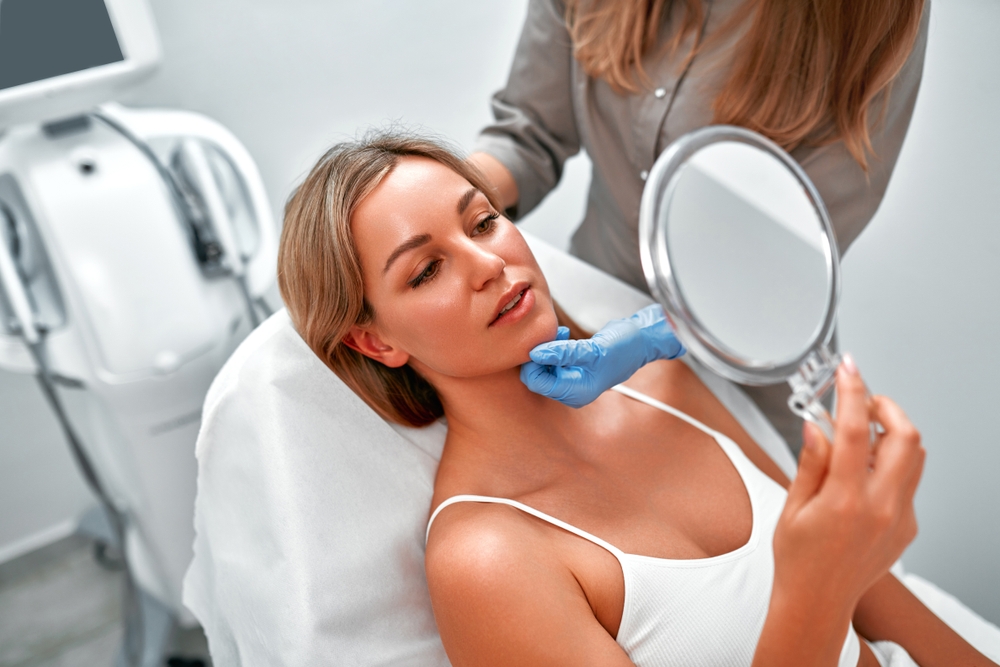
A dermatologist can help determine whether your hair loss is within the normal range for menopause or if additional factors are contributing to the problem. They can also help you develop a treatment plan tailored to your specific needs and preferences.

During your appointment, be prepared to discuss your menopause timeline, any other symptoms you’re experiencing, medications you’re taking, and your hair care routine. This information helps your provider develop the most effective treatment approach.

If you have questions about your skin, schedule an appointment at Calkin & Boudreaux today!