
Needle anxiety is one of the most common reasons people delay or avoid cosmetic treatments they would otherwise enjoy. Yet wrinkle relaxers remain one of the most requested cosmetic treatments in the country, year after year.
Keep reading to learn what actually happens during a wrinkle relaxer appointment and why so many nervous first-timers walk out wondering what they were ever worried about.
What Causes Fear of Wrinkle Relaxing Injections?
Fear of needles is a normal human response, and it does not disappear just because a treatment is elective or cosmetic. It is one of the most common anxieties in medicine. For some people, it is more af an uneasiness that fades once the appointment is over, while for others it can trigger a racing heart, sweating, lightheadedness, or even avoidance of medical care altogether.
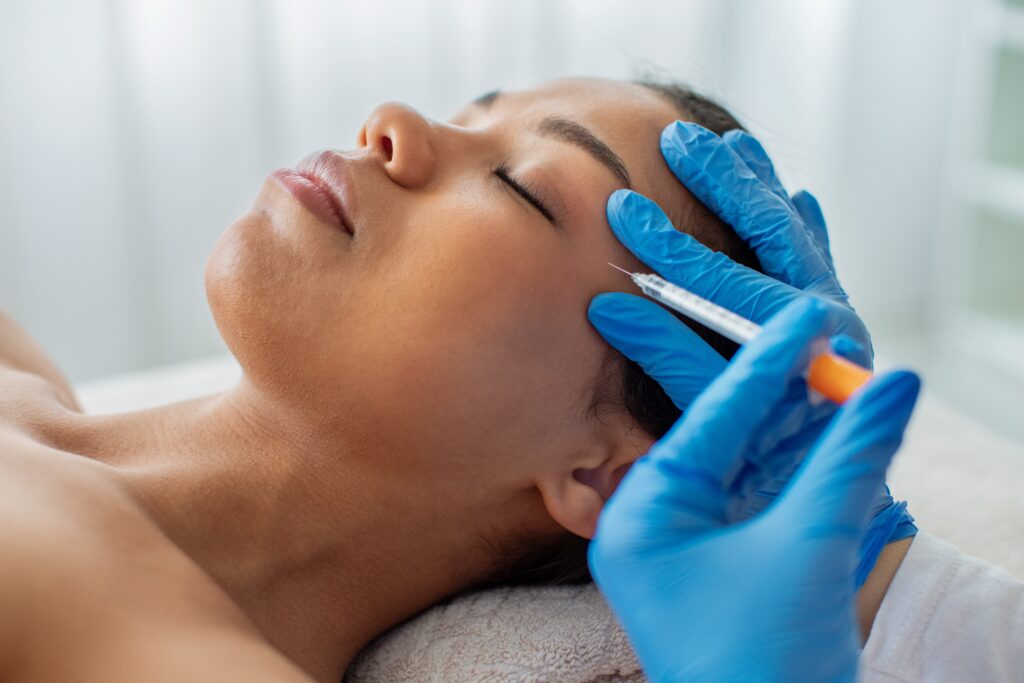
Needle anxiety often has roots in early childhood experiences, a difficult blood draw, or simply a brain wired to react strongly to anything sharp coming toward the body.
Wrinkle relaxer injections are very different from the medical procedures most people associate with needles. The needles are tiny, the injections are quick, and providers who do these treatments every day are deeply familiar with helping anxious patients feel at ease throughout the process.
Beyond the needle itself, some patients worry they will end up looking “frozen” or expressionless, unable to smile or raise their eyebrows. Others fear pain, side effects, or the idea of putting something unfamiliar into their body.
The truth is that the version of wrinkle relaxers most people imagine rarely resembles what actually happens in a dermatologist’s office.
What Is a Wrinkle Relaxer?
Wrinkle relaxers, sometimes called neuromodulators, are injectable medications that temporarily soften the muscles responsible for certain facial wrinkles. By gently quieting these muscles, the skin above them gets a break from the repeated folding that creates lines over time.
The most common options include Botox, Dysport, Xeomin, Jeuveau, and Daxxify. These products have been FDA-approved for cosmetic use for over two decades and have an extensive safety record when administered by trained providers. They are not permanent, and they do not change the structure of your face.
Common Myths About Wrinkle Relaxers, And the Truth
Many of the fears people bring to a consultation are based on outdated information or exaggerated stories.
Let’s clear up a few of the most persistent myths.
Myth: Wrinkle Relaxers Will Leave You With a “Frozen” Face
The “frozen face” myth is probably the most widespread. In reality, a skilled provider uses precise amounts in targeted areas, so you keep your natural expressions and movement.
Myth: Wrinkle Relaxers Are Toxic and Unsafe
Another common worry stems from the fact that wrinkle relaxers are technically classified as a neurotoxin, which understandably sounds alarming. In reality, the purified protein is used in extremely small, carefully measured doses that have been studied and refined for cosmetic use over several decades, with a well-established safety profile when administered by a qualified provider.
Myth: Once You Start, You Can’t Stop
There is also a myth that once you start, you cannot stop. The truth is that the effects simply wear off gradually over a few months, and your muscles return to their previous behavior. This means that while you will need repeated injections to maintain the results, you are never locked into anything long-term, if you decide to stop, your face will gradually return to the way it looked before treatment, without your muscles being permanently stuck in a relaxed position or your wrinkles suddenly getting worse than before.
Myth: People Will Be Able to Tell You Had Something Done
Dr. Alexandra Morris, a board-certified dermatologist at Golden State Dermatology in Folsom, often addresses these concerns directly with new patients:
“I think the biggest misconception I encounter is that wrinkle relaxers automatically make people look ‘done’ or unnatural. In reality, when treatment is customized to each face and used conservatively, most people just look like a slightly more rested version of themselves. Friends and family often notice you look refreshed but cannot pinpoint exactly why, and that is usually the goal we are working toward together.”
What Actually Happens During a Wrinkle Relaxer Appointment?
A typical first appointment starts with a consultation, where your provider asks about your goals, reviews your medical history, and examines how your facial muscles move.
Once you and your provider have agreed on a plan, the treatment area is cleansed thoroughly. Your provider may then mark small dots on your skin to map out the exact injection points based on your individual muscle pattern.
The actual injections are performed using a very fine needle, and each one takes only a second or two. Most appointments are finished in 10 to 20 minutes from the moment you sit down.
Gabrielle Basile, DNP, FNP-BC, a certified nurse practitioner at Golden State Dermatology in Walnut Creek, often hears the same reaction from first-time patients:
“The comment I hear most often after a first appointment is, ‘That was it?’ People come in expecting something dramatic or painful, and instead they spend more time talking with me than they do being injected. Once patients understand how quick and controlled the process is, the anxiety they had built up beforehand tends to drop significantly by their next visit.”
Does It Hurt? What Does a Wrinkle Relaxer Injection Actually Feel Like?
This is usually the first question patients ask, and the honest answer is that most people describe it as a quick pinch or a very brief sting. The needles used are extremely thin, much finer than the needles used for routine bloodwork or vaccines. Because each injection takes only a moment, any discomfort is over almost as soon as it begins. Many providers offer topical numbing, ice, or vibration tools to make the experience even more comfortable, especially for patients with significant needle anxiety.
How Do You Know If You Are Ready to Try a Wrinkle Relaxer?
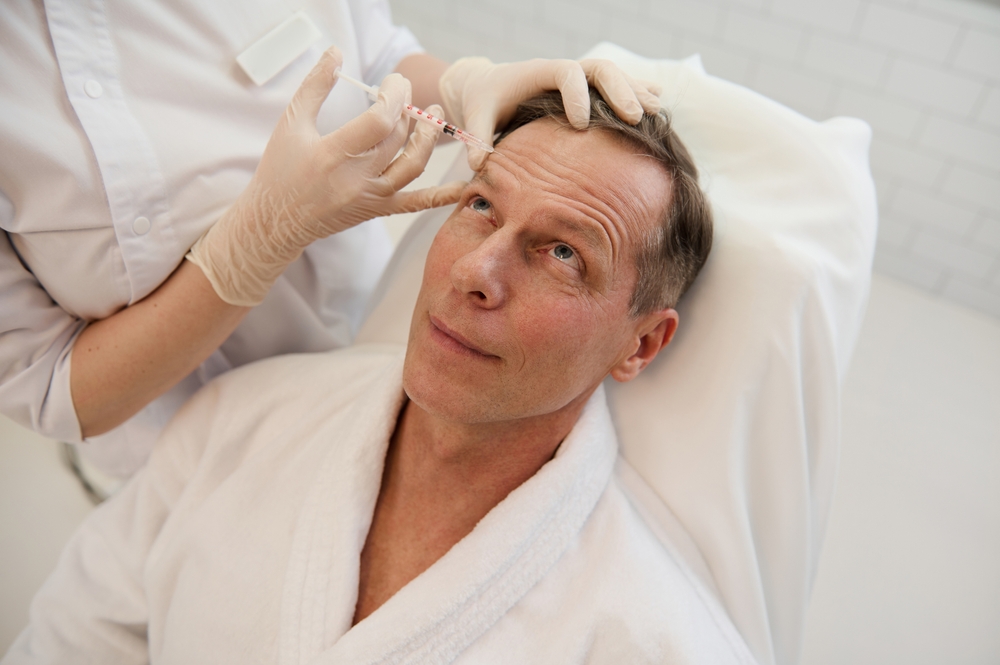
Readiness is just as much emotional as it is physical. If you are curious but nervous, that is a completely normal place to be, and it does not mean you have to commit to anything.
A consultation at Calkin & Boudreaux Dermatology is a no-pressure conversation. You can ask every question on your mind, learn about the different options, and decide on your own timeline whether treatment feels right for you.
Taking the First Step Toward Feeling Comfortable With Injectables
Fear of wrinkle relaxer injections is normal, and it does not have to be the thing that keeps you from exploring a treatment you have been curious about for years. The reality of the appointment is almost always less intense than the version your imagination has been rehearsing.
A trusted dermatologist can walk you through every step, answer your questions honestly, and tailor the experience to your comfort level. Many patients are surprised at how manageable the process feels once they are actually in the chair.
If you have questions about your skin, schedule an appointment at Calkin & Boudreaux Dermatology today!