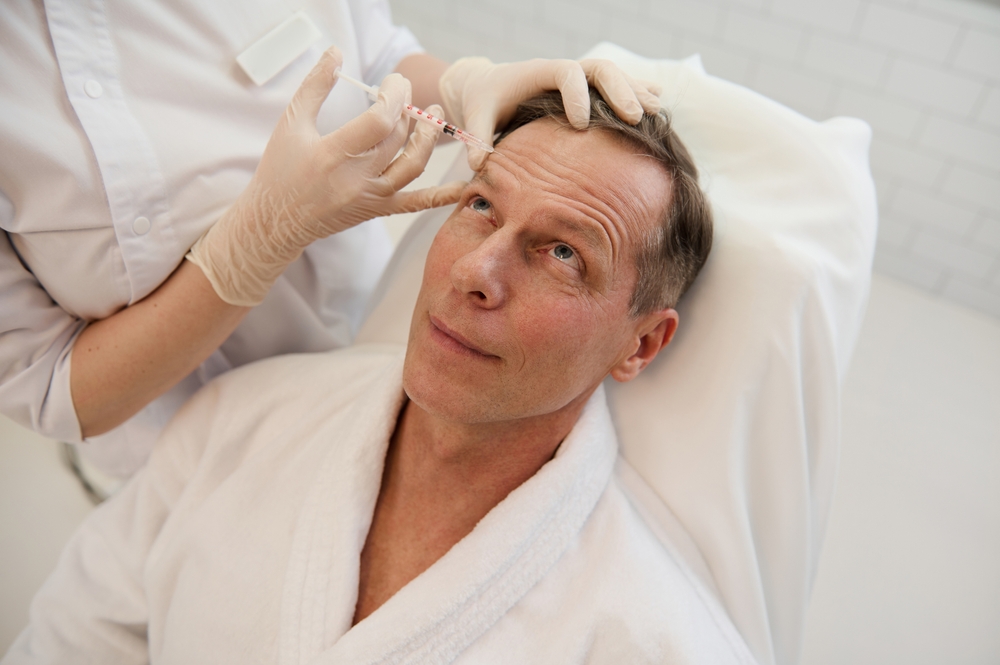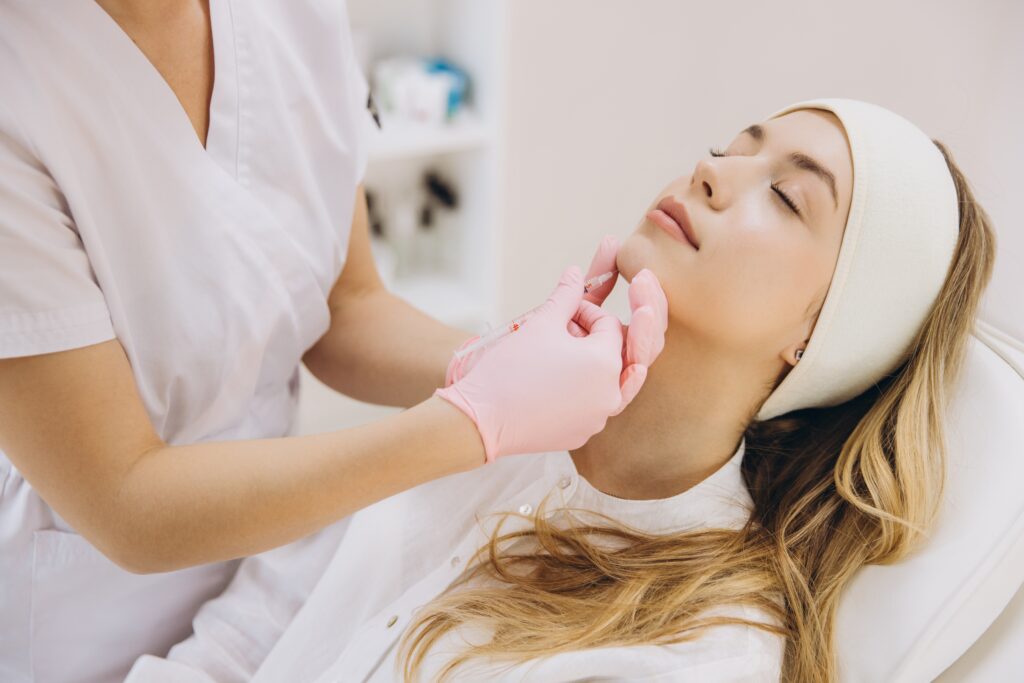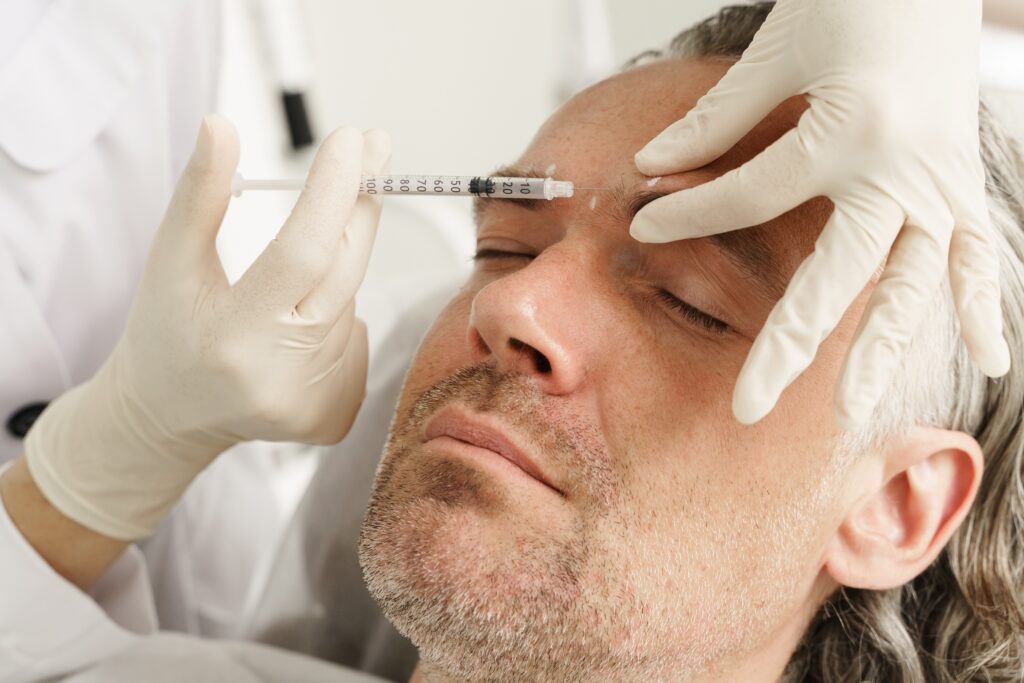
How Can You Tell If You’re a Good Candidate for Sculptra

Heading 2

Lorem ipsum dolor sit amet, consectetur adipisicing elit. Nostrum minus ea suscipit porro alias corporis libero at. Perferendis omnis, veniam nemo beatae vel? Tempora numquam a repellat eaque natus, magnam?

Heading 2

Lorem ipsum dolor sit amet, consectetur adipisicing elit. Autem ipsum mollitia neque, illum illo excepturi, eum incidunt fugit nostrum est, voluptate eaque minima corporis debitis at, dolores ipsam. Quaerat, dolores.

Heading 2

Lorem ipsum dolor sit amet, consectetur adipisicing elit. Autem ipsum mollitia neque, illum illo excepturi, eum incidunt fugit nostrum est, voluptate eaque minima corporis debitis at, dolores ipsam. Quaerat, dolores.

Heading 2

Lorem ipsum dolor sit amet, consectetur adipisicing elit. Autem ipsum mollitia neque, illum illo excepturi, eum incidunt fugit nostrum est, voluptate eaque minima corporis debitis at, dolores ipsam. Quaerat, dolores.

Heading 2

Lorem ipsum dolor sit amet, consectetur adipisicing elit. Autem ipsum mollitia neque, illum illo excepturi, eum incidunt fugit nostrum est, voluptate eaque minima corporis debitis at, dolores ipsam. Quaerat, dolores.

More people than ever are looking for subtle, long-lasting ways to address facial volume loss and skin laxity without committing to surgery.

Sculptra has become one of the most talked-about injectables for exactly this reason, offering gradual, natural-looking results that can last for years. However, Sculptra is not the right fit for every patient or every concern.

Keep reading to learn what makes someone a good candidate for Sculptra and how to find out if it could be the right choice for you.

What Is Sculptra?

Sculptra is an injectable treatment made from poly-L-lactic acid (PLLA), which is a biocompatible substance that has been used safely in medicine for decades. Sculptra is classified as a biostimulator because it works by encouraging your skin to produce its own collagen, whereas traditional hyaluronic acid fillers physically add volume on contact.

This collagen-stimulating action is what sets Sculptra apart. Over a series of treatments and several months, the body gradually builds new collagen in the treated areas, restoring lost volume and improving overall skin quality from within. Because the results develop slowly, Sculptra can be a great option for patients who want a refreshed appearance without an obvious, sudden change.

Sculptra can address a range of concerns related to facial aging and volume loss. The most common treatment areas include hollow cheeks, temple hollowing, deep folds around the mouth, and overall loss of facial fullness that contributes to a tired or aged appearance.

Shanthi Colaço, MD, a board-certified dermatologist at Golden State Dermatology in West Los Angeles, explains the appeal of this approach:

“What makes Sculptra unique is that we are not just filling in lines or hollows; we are essentially helping the skin rebuild its own structural support. Patients often tell me their friends comment that they look refreshed but cannot pinpoint what has changed. That is because the improvement comes from your own collagen, so the results integrate naturally with your features. It is one of the most rewarding treatments we offer for patients who want long-lasting, subtle rejuvenation.

Signs You May Be a Good Candidate

Your dermatologist can help determine whether these uses are appropriate for your goals. Sculptra works beautifully for the right person, but candidacy depends on more than just wanting smoother skin.

Here are some signs that Sculptra may be a good fit.

You Have Moderate to Significant Volume Loss

Sculptra is most effective when there is volume loss to address, particularly in the cheeks, temples, and lower face. If your concerns are primarily related to fine lines rather than structural changes, a different treatment may be better.

You Prefer Gradual, Natural-Looking Results

If the idea of a noticeable change after a single appointment feels overwhelming, Sculptra’s gradual timeline may appeal to you. Results unfold over several months, which gives your appearance time to evolve in a way that looks completely natural.

You Have Realistic Expectations About Timeline

Patients who do best with Sculptra understand that this is not an instant fix. Most patients need a series of two to three treatment sessions spaced several weeks apart, with full results emerging over four to six months.

You Want Longer-Lasting Outcomes

One of Sculptra’s biggest advantages is its longevity. Results from a full treatment series can last up to two years or more, making it an excellent choice for patients who do not want to schedule frequent maintenance appointments.

You Are in Generally Good Health

Like any cosmetic treatment, Sculptra works best for patients who are in good overall health. Your provider will review your medical history to make sure there are no underlying conditions that could affect your candidacy or results.

Who Might Not Be the Best Candidate?

Sculptra is not the right choice for everyone. Certain conditions, lifestyle factors, and aesthetic preferences may mean that another treatment would serve you better.

You Have Certain Autoimmune Conditions

Patients with active autoimmune conditions or inflammatory skin disorders may not be ideal candidates for Sculptra. Because the treatment relies on a controlled inflammatory response to stimulate collagen, conditions that affect the immune system can interfere with results.

You Have a History of Keloid Scarring

If you have a history of keloid or hypertrophic scarring, your provider will need to evaluate whether Sculptra is safe for you. The injection process can occasionally trigger abnormal scarring in patients who are predisposed to it.

You Are Pregnant or Breastfeeding

Sculptra has not been studied in pregnant or breastfeeding patients, so providers generally recommend postponing treatment until after this period. There is no urgency that justifies the unknown risk during pregnancy or lactation.

You Have an Active Skin Infection at the Injection Site

Any active skin infection, cold sore outbreak, or open wound at the planned injection site means treatment will need to be rescheduled. Injecting into compromised skin increases the risk of complications and can affect your results.

You Want Immediate, Dramatic Results

If you have an event next month and want to look noticeably different by then, Sculptra is not the right treatment. Patients seeking immediate volume should consider hyaluronic acid fillers instead, which provide results you can see the same day.

Amanda Knox, RN, an aesthetic nurse at Golden State Dermatology in Sacramento, offers this perspective on patient selection:

“One of the most important conversations we have during a Sculptra consultation is about timing and expectations. I always tell patients that Sculptra is a wonderful investment in your skin, but it is an investment that pays off over months, not days. When patients understand this upfront, they are almost always thrilled with how their results develop. The patients who feel disappointed are usually those who expected an immediate change, which is why honest, thorough consultations are so important.”

What to Expect During Your Consultation

The best way to find out whether you are a good candidate for Sculptra is to schedule a consultation with a qualified dermatologist. During this appointment, your provider will take a close look at whether Sculptra is right for you.

They will start by reviewing your medical history, including any autoimmune conditions, allergies, medications, and previous cosmetic treatments. This information helps them identify any factors that might affect your safety or results. Then they will assess your facial structure, skin quality, and the specific areas that are bothering you. They will check how your face looks when it is relaxed and when you are smiling or talking, since that gives them a better sense of how volume loss is showing up day to day.

If Sculptra is a good fit, your provider will walk you through a treatment plan built around your goals, including how many sessions you can expect and roughly when you will start seeing results.

If Sculptra is not the best choice, your dermatologist can point you toward other treatments that may work better for what you are after. In some cases, pairing a few different treatments together gives the most balanced, natural-looking results.

If you have questions about your skin, schedule an appointment at Calkin & Boudreaux today!

How Can You Tell If Your Hair Loss Is Normal or Something to Worry About

Heading 2

Lorem ipsum dolor sit amet, consectetur adipisicing elit. Nostrum minus ea suscipit porro alias corporis libero at. Perferendis omnis, veniam nemo beatae vel? Tempora numquam a repellat eaque natus, magnam?

Heading 2

Lorem ipsum dolor sit amet, consectetur adipisicing elit. Autem ipsum mollitia neque, illum illo excepturi, eum incidunt fugit nostrum est, voluptate eaque minima corporis debitis at, dolores ipsam. Quaerat, dolores.

Heading 2

Lorem ipsum dolor sit amet, consectetur adipisicing elit. Autem ipsum mollitia neque, illum illo excepturi, eum incidunt fugit nostrum est, voluptate eaque minima corporis debitis at, dolores ipsam. Quaerat, dolores.

Heading 2

Lorem ipsum dolor sit amet, consectetur adipisicing elit. Autem ipsum mollitia neque, illum illo excepturi, eum incidunt fugit nostrum est, voluptate eaque minima corporis debitis at, dolores ipsam. Quaerat, dolores.

Heading 2

Lorem ipsum dolor sit amet, consectetur adipisicing elit. Autem ipsum mollitia neque, illum illo excepturi, eum incidunt fugit nostrum est, voluptate eaque minima corporis debitis at, dolores ipsam. Quaerat, dolores.

Finding hair on your pillow, in the shower drain, or wrapped around your hairbrush can be unsettling, but a certain amount of shedding is a completely normal part of having a healthy head of hair. The tricky part is knowing when everyday hair loss becomes something that deserves a closer look from a professional.

Keep reading to learn how to tell the difference between normal shedding and hair loss that may need attention, what causes it, and when it’s time to schedule an appointment with a dermatologist.

How Much Hair Loss Is Actually Normal?

The average person loses somewhere between 50 and 100 hairs a day, which can look like a lot when you see it collected in one place.

Hair grows in cycles, so at any given time, some hairs are growing, some are resting, and some are getting ready to fall out and be replaced.

Shedding can also fluctuate based on the season, your stress levels, and even your age. Many people notice more hair loss in the fall, and others see an uptick after starting a new medication or going through a stressful stretch of life.

If you’re not seeing thin patches, a wider part, or a noticeably emptier hairline, what you’re experiencing is probably just normal shedding. Hair often looks like more than it really is when it’s wet, tangled, or pulled out by brushing.

What’s the Difference Between Shedding and Hair Loss?

Shedding and hair loss may look similar in the drain, but they’re not exactly the same thing.

Shedding refers to hairs that fall out as part of the normal growth cycle or in response to a temporary trigger, with the follicles still producing new hair underneath.

Hair loss, on the other hand, happens when something interferes with the follicle itself. The follicle may slow down, shrink, or stop producing new hair altogether, which over time can lead to thinning or bald areas that don’t fill back in on their own.

Knowing which one you’re dealing with matters because the approach is different for each. Shedding usually resolves once the trigger is addressed, while true hair loss often benefits from earlier treatment to preserve what you have.

Why You Might Be Experiencing Temporary Hair Shedding

Many cases of sudden, noticeable shedding are temporary and tied to a specific event or change in your body. Most of these resolve as your body recovers, even if the timeline feels slow.

Stress and Major Life Events

Significant emotional or physical stress can push more hairs than usual into the resting phase of the growth cycle. Two to three months later, those hairs shed all at once, which is why hair loss often shows up well after the stressful event itself.

Pregnancy and Hormonal Shifts

Many new parents notice heavy shedding a few months after giving birth, as hormone levels return to normal. Other hormonal events like starting or stopping birth control, thyroid issues, or menopause can also trigger temporary changes in hair density.

Illness, Medications, and Nutrition

A high fever, surgery, or extended illness can cause noticeable shedding once your body starts to recover. Certain medications, low iron, low vitamin D, and crash diets that limit protein can also contribute to thinning.

Hairstyling Habits

Tight ponytails, braids, buns, and extensions create constant tension on the hair follicles. Over time, this can cause breakage and even permanent damage if the habit continues for years.

Dr. Paul Rose, a hair restoration expert and board-certified dermatologist at Golden State Dermatology, explains,

“Patients often come in convinced something is seriously wrong, when in reality their hair is responding to something that happened months ago, like an illness or a stressful season. Hair has a long memory, and the shedding you’re seeing today may have been set in motion long before you noticed it. The first step is always understanding the timeline, which often reveals exactly what’s going on.”

Signs Your Hair Loss May Need a Dermatologist’s Attention

While some hair changes are nothing to worry about, certain signs are worth taking seriously. If you notice any of the following, it’s a good idea to schedule an evaluation.

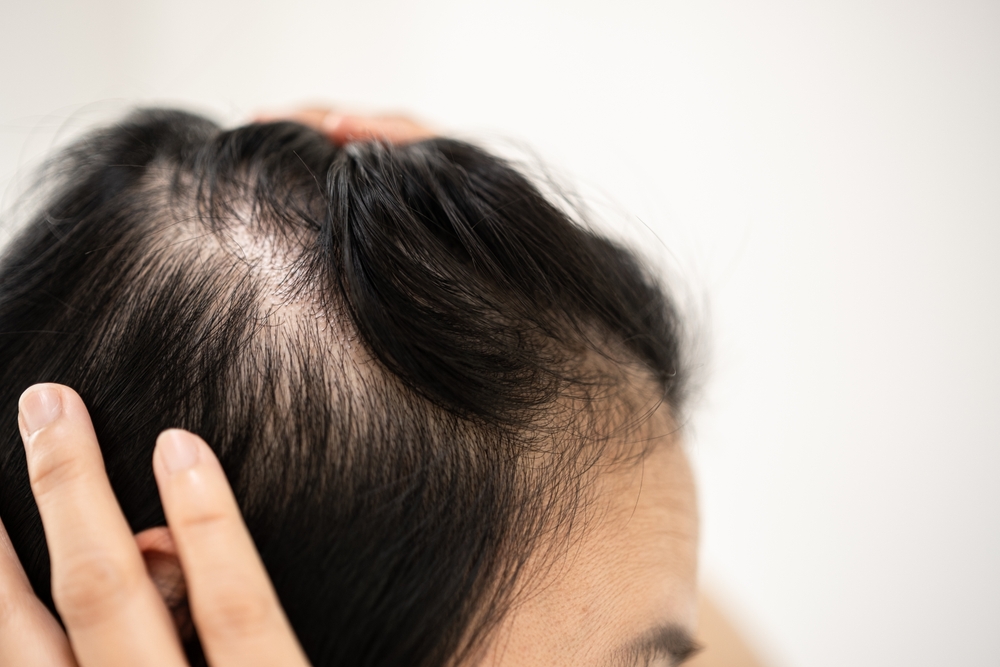
  • Distinct bald patches or circular areas of missing hair
  • A part line that looks noticeably wider than it used to
  • A hairline that is steadily receding or thinning at the temples
  • Sudden, heavy shedding that comes on quickly and doesn’t slow down
  • Itching, burning, pain, redness, or flaking on the scalp
  • Shiny, smooth areas where the scalp looks scarred or where hair never grows back
  • Loss of hair in other areas of the body, such as eyebrows or eyelashes

Catching these signs early gives your dermatologist more options for treatment and a better chance of preserving the hair you still have.

Conditions Behind More Serious Hair Loss

There are several specific conditions that can cause more lasting hair loss. Each one has its own pattern, cause, and treatment approach, which is why a proper diagnosis is so important.

  • Pattern hair loss, sometimes called androgenetic alopecia, is the most common type and tends to run in families.
  • Alopecia areata is an autoimmune condition that causes round patches of hair loss and can come and go unpredictably.
  • Traction alopecia results from years of pulling on the hair through tight styles.
  • Scarring alopecias are less common but more serious, as they can permanently destroy the follicles if not treated quickly.
  • Telogen effluvium is associated with stressful events. Hairs lose their shaft after the event and grow back 3-4 months later.

How Dermatologists Diagnose the Cause

A hair loss evaluation usually starts with a detailed conversation about your medical history, family history, recent life events, medications, and diet. This part of the visit often gives the most useful clues about what’s happening.

Your dermatologist will then examine your scalp closely, sometimes using a special magnifying tool to look at individual hairs and follicles. Blood work may be ordered to check for thyroid issues, iron deficiency, vitamin levels, or hormonal imbalances.

In some cases, a small scalp biopsy is needed to confirm the diagnosis. This is a quick in-office procedure that can provide clear answers, especially when several conditions could be at play.

Dr. Rose explains:

“When patients come in worried about their hair, my goal is to give them a clear picture of what’s happening and what to expect. Sometimes the answer is simply patience, because the hair will grow back once the trigger is gone. Other times, we need to act sooner to prevent further loss. Either way, knowing what you’re dealing with is empowering, and it takes a lot of the fear out of the situation.”

How Is Hair Loss Treated?

The right treatment depends entirely on the cause, which is why a proper diagnosis comes first. Your dermatologist can help you figure out which approach, or combination of approaches, fits your situation best.

Medical Therapies

Medical therapies include FDA-approved options like finasteride, dutasteride, and minoxidil that block hair loss hormones or stimulate follicles directly. These convenient, non-surgical treatments are often very effective when started early.

Regenerative and Bio-Enhancement Therapies

Regenerative therapies use your body’s own healing processes to stimulate growth, including Platelet Rich Plasma (PRP), ACell Bio Matrix, and exosomes. They can be used alone or paired with other treatments for stronger results.

Hair Transplant Surgery

For more advanced hair loss, surgical hair transplantation is the gold standard for permanent restoration, with modern techniques like FUE and Strip FUT producing natural-looking, lifelong results. Hair regrowth is a slow process no matter the treatment, so patience and consistency are key.

If you have questions about your skin, schedule an appointment at Calkin & Boudreaux today!

5 Signs You Need to See a Vein Specialist This Year

Heading 2

Lorem ipsum dolor sit amet, consectetur adipisicing elit. Nostrum minus ea suscipit porro alias corporis libero at. Perferendis omnis, veniam nemo beatae vel? Tempora numquam a repellat eaque natus, magnam?

Heading 2

Lorem ipsum dolor sit amet, consectetur adipisicing elit. Autem ipsum mollitia neque, illum illo excepturi, eum incidunt fugit nostrum est, voluptate eaque minima corporis debitis at, dolores ipsam. Quaerat, dolores.

Heading 2

Lorem ipsum dolor sit amet, consectetur adipisicing elit. Autem ipsum mollitia neque, illum illo excepturi, eum incidunt fugit nostrum est, voluptate eaque minima corporis debitis at, dolores ipsam. Quaerat, dolores.

Heading 2

Lorem ipsum dolor sit amet, consectetur adipisicing elit. Autem ipsum mollitia neque, illum illo excepturi, eum incidunt fugit nostrum est, voluptate eaque minima corporis debitis at, dolores ipsam. Quaerat, dolores.

Heading 2

Lorem ipsum dolor sit amet, consectetur adipisicing elit. Autem ipsum mollitia neque, illum illo excepturi, eum incidunt fugit nostrum est, voluptate eaque minima corporis debitis at, dolores ipsam. Quaerat, dolores.

Many people, especially those in their 60s, 70s, and 80s, brush off leg symptoms as just another part of getting older. This assumption keeps countless patients from seeking care that could dramatically improve how they feel, how they move, and how they live their daily lives.

Vein problems are highly treatable at any age, and recognizing the signs early can prevent more serious complications down the road.

Keep reading to learn the key signs that it may be time to see a vein specialist this year.

Why Vein Health Matters at Every Age

Venous disease is progressive, meaning it tends to get worse over time if left untreated. What may start as occasional achy legs can eventually lead to chronic swelling, skin changes, and even open wounds that struggle to heal.

Because the underlying cause – nonfunctioning blood vessels in the legs – only continues untreated, vein problems never stay the same and they never get better. They only get worse over time.

One of the biggest misconceptions among older patients is that nothing can be done about their leg problems simply because of their age. The reality is that age alone is never a disqualifier for vein treatment, and many of the most rewarding cases involve patients who had been told for years to “just live with it.”

Signs It’s Time to See a Vein Specialist

Vein disease doesn’t always announce itself with one dramatic symptom. More often, it shows up as a collection of small clues that worsen gradually over months or years, making it easy to dismiss each individual change as something minor.

The signs below are some of the most common indicators that the veins in your legs aren’t working as well as they should. If any of them sound familiar, it’s worth scheduling an evaluation rather than waiting for things to progress further.

1. You Have Aching, Heavy, or Tired Legs at the End of the Day

One of the most common early signs of venous insufficiency is a feeling of heaviness, aching, or fatigue in the legs that gets worse as the day goes on. Many people describe feeling like they’re “dragging” their legs by evening, even on days they haven’t been particularly active.

This happens because the valves inside your veins aren’t working properly, so blood pools in the lower legs instead of returning efficiently to the heart. The longer you stand or sit, the more pressure builds up, and the more uncomfortable your legs feel.

If you find yourself counting down the minutes until you can sit down and put your feet up, that’s a sign worth taking seriously.

2. You See Bulging, Twisted Varicose Veins

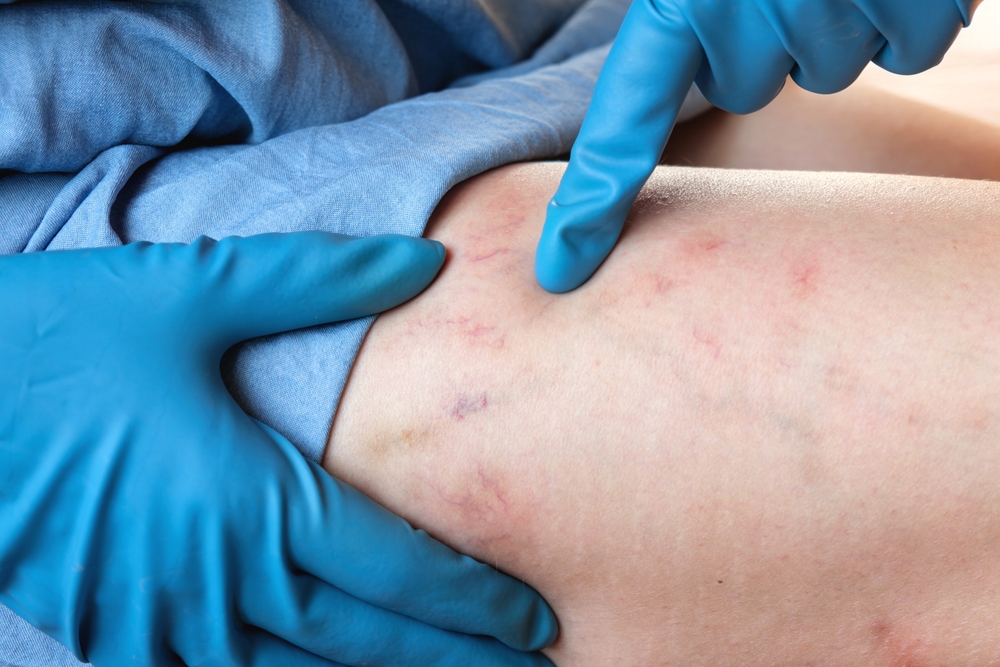
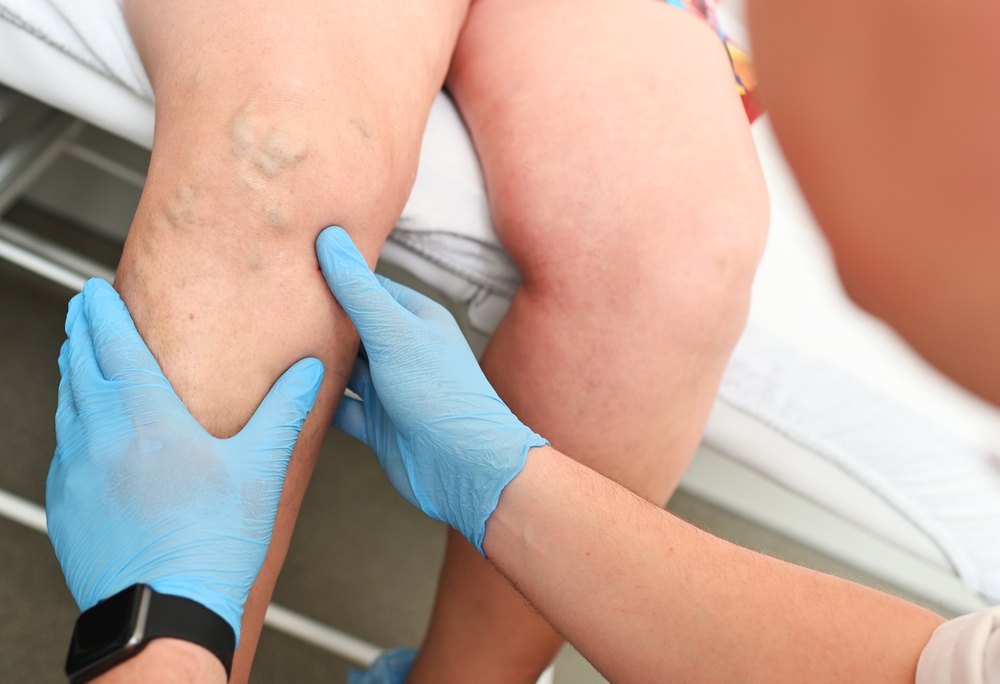
Varicose veins are the rope-like, bluish-purple veins that bulge out from the surface of the skin, most often on the calves and thighs. While many people think of them as a cosmetic issue, they are actually a visible sign that the underlying veins aren’t functioning the way they should.

Varicose veins develop when faulty valves allow blood to flow backward and pool, stretching the vein walls over time. Without treatment, they often grow larger and more uncomfortable, and can contribute to more serious symptoms like swelling and skin changes.

Albert Malvehy, MD, RVT, dABVLM, the top-rated vein doctor in California at NorCal Vein, a GSD affiliate, addresses one of the most common misconceptions about vein treatment in older adults:

“I hear it all the time. Patients in their 70s and 80s tell me they’ve been told they’re ‘too old’ for anything to be done about their veins. That simply isn’t true. Age is not a barrier to effective vein treatment, and in fact, many of our most grateful patients are the ones who finally get relief after decades of being dismissed. The treatments we use today are minimally invasive and remarkably well-tolerated, even in patients with other health conditions.”

3. Your Ankles or Lower Legs Are Swelling

Persistent swelling in the ankles or lower legs, especially swelling that worsens throughout the day and improves with elevation, is a classic sign of venous insufficiency. You may notice that your socks leave deep indentations or that your shoes feel tighter by evening. This swelling, called edema, occurs because fluid is leaking out of overloaded veins and into the surrounding tissue. Left untreated, chronic swelling can progress to more serious problems, including skin changes and wounds that signal advanced venous disease.

4. You Have Skin Changes Around Your Ankles

The skin around your ankles can tell you a lot about what’s happening beneath the surface. Brownish or reddish discoloration, thickening, hardening, dryness, or persistent itching in this area are all warning signs that vein disease is progressing.

These changes happen because the increased pressure inside damaged veins causes inflammation and tissue damage over time. Many patients dismiss the discoloration as age spots or attribute the itching to dry skin, but these are often signals that a wound may be developing if action isn’t taken.

Dr. Malvehy explains why catching these skin changes early matters so much for older patients:

“The skin changes we see around the ankles are often the last warning sign before a wound develops, and that’s a window we don’t want to miss. So many of my patients have been told that their non-healing wounds are simply a consequence of aging and that they should expect to be bed-bound or wheelchair-bound. The truth is that once we treat the underlying vein disease, those wounds can finally heal, and patients get to return to the lives they thought were over.”

If you notice your ankle skin becoming shiny, leathery, or developing a darker tone that doesn’t fade, schedule an evaluation soon. Treating vein disease at this stage can often prevent the next, more serious step, which is a venous ulcer.

5. You Have a Personal or Family History of Vein Disease

Vein disease runs in families, and a personal history of blood clots, pregnancy-related vein changes, or a job that involves long hours of standing all increase your risk. If you have these risk factors plus any symptoms, an evaluation is especially important. Knowing your risk allows your provider to recommend preventive steps and catch problems before they progress.

Your Legs Don’t Have to Define Your Year

If any of these signs sound familiar, don’t let another year go by assuming there’s nothing that can be done. Vein disease is treatable, your legs can feel better, wounds can heal, and a more active life is genuinely within reach, regardless of your age.

The team at Calkin & Boudreaux has helped countless patients get back to walking, working, and doing the things they love after being told for years that they just had to live with their leg problems. You deserve the same chance to feel better and move more freely.

If you have questions about your skin, schedule an appointment at Calkin & Boudreaux today.

Are You Afraid of Wrinkle Relaxer Injections? Here’s What Actually Happens

Heading 2

Lorem ipsum dolor sit amet, consectetur adipisicing elit. Nostrum minus ea suscipit porro alias corporis libero at. Perferendis omnis, veniam nemo beatae vel? Tempora numquam a repellat eaque natus, magnam?

Heading 2

Lorem ipsum dolor sit amet, consectetur adipisicing elit. Autem ipsum mollitia neque, illum illo excepturi, eum incidunt fugit nostrum est, voluptate eaque minima corporis debitis at, dolores ipsam. Quaerat, dolores.

Heading 2

Lorem ipsum dolor sit amet, consectetur adipisicing elit. Autem ipsum mollitia neque, illum illo excepturi, eum incidunt fugit nostrum est, voluptate eaque minima corporis debitis at, dolores ipsam. Quaerat, dolores.

Heading 2

Lorem ipsum dolor sit amet, consectetur adipisicing elit. Autem ipsum mollitia neque, illum illo excepturi, eum incidunt fugit nostrum est, voluptate eaque minima corporis debitis at, dolores ipsam. Quaerat, dolores.

Heading 2

Lorem ipsum dolor sit amet, consectetur adipisicing elit. Autem ipsum mollitia neque, illum illo excepturi, eum incidunt fugit nostrum est, voluptate eaque minima corporis debitis at, dolores ipsam. Quaerat, dolores.

Needle anxiety is one of the most common reasons people delay or avoid cosmetic treatments they would otherwise enjoy. Yet wrinkle relaxers remain one of the most requested cosmetic treatments in the country, year after year.

Keep reading to learn what actually happens during a wrinkle relaxer appointment and why so many nervous first-timers walk out wondering what they were ever worried about.

What Causes Fear of Wrinkle Relaxing Injections?

Fear of needles is a normal human response, and it does not disappear just because a treatment is elective or cosmetic. It is one of the most common anxieties in medicine. For some people, it is more af an uneasiness that fades once the appointment is over, while for others it can trigger a racing heart, sweating, lightheadedness, or even avoidance of medical care altogether.

Needle anxiety often has roots in early childhood experiences, a difficult blood draw, or simply a brain wired to react strongly to anything sharp coming toward the body.

Wrinkle relaxer injections are very different from the medical procedures most people associate with needles. The needles are tiny, the injections are quick, and providers who do these treatments every day are deeply familiar with helping anxious patients feel at ease throughout the process.

Beyond the needle itself, some patients worry they will end up looking “frozen” or expressionless, unable to smile or raise their eyebrows. Others fear pain, side effects, or the idea of putting something unfamiliar into their body.

The truth is that the version of wrinkle relaxers most people imagine rarely resembles what actually happens in a dermatologist’s office.

What Is a Wrinkle Relaxer?

Wrinkle relaxers, sometimes called neuromodulators, are injectable medications that temporarily soften the muscles responsible for certain facial wrinkles. By gently quieting these muscles, the skin above them gets a break from the repeated folding that creates lines over time.

The most common options include Botox, Dysport, Xeomin, Jeuveau, and Daxxify. These products have been FDA-approved for cosmetic use for over two decades and have an extensive safety record when administered by trained providers. They are not permanent, and they do not change the structure of your face.

Common Myths About Wrinkle Relaxers, And the Truth

Many of the fears people bring to a consultation are based on outdated information or exaggerated stories.

Let’s clear up a few of the most persistent myths.

Myth: Wrinkle Relaxers Will Leave You With a “Frozen” Face

The “frozen face” myth is probably the most widespread. In reality, a skilled provider uses precise amounts in targeted areas, so you keep your natural expressions and movement.

Myth: Wrinkle Relaxers Are Toxic and Unsafe

Another common worry stems from the fact that wrinkle relaxers are technically classified as a neurotoxin, which understandably sounds alarming. In reality, the purified protein is used in extremely small, carefully measured doses that have been studied and refined for cosmetic use over several decades, with a well-established safety profile when administered by a qualified provider.

Myth: Once You Start, You Can’t Stop

There is also a myth that once you start, you cannot stop. The truth is that the effects simply wear off gradually over a few months, and your muscles return to their previous behavior. This means that while you will need repeated injections to maintain the results, you are never locked into anything long-term, if you decide to stop, your face will gradually return to the way it looked before treatment, without your muscles being permanently stuck in a relaxed position or your wrinkles suddenly getting worse than before.

Myth: People Will Be Able to Tell You Had Something Done

Dr. Alexandra Morris, a board-certified dermatologist at Golden State Dermatology in Folsom, often addresses these concerns directly with new patients:

“I think the biggest misconception I encounter is that wrinkle relaxers automatically make people look ‘done’ or unnatural. In reality, when treatment is customized to each face and used conservatively, most people just look like a slightly more rested version of themselves. Friends and family often notice you look refreshed but cannot pinpoint exactly why, and that is usually the goal we are working toward together.”

What Actually Happens During a Wrinkle Relaxer Appointment?

A typical first appointment starts with a consultation, where your provider asks about your goals, reviews your medical history, and examines how your facial muscles move.

Once you and your provider have agreed on a plan, the treatment area is cleansed thoroughly. Your provider may then mark small dots on your skin to map out the exact injection points based on your individual muscle pattern.

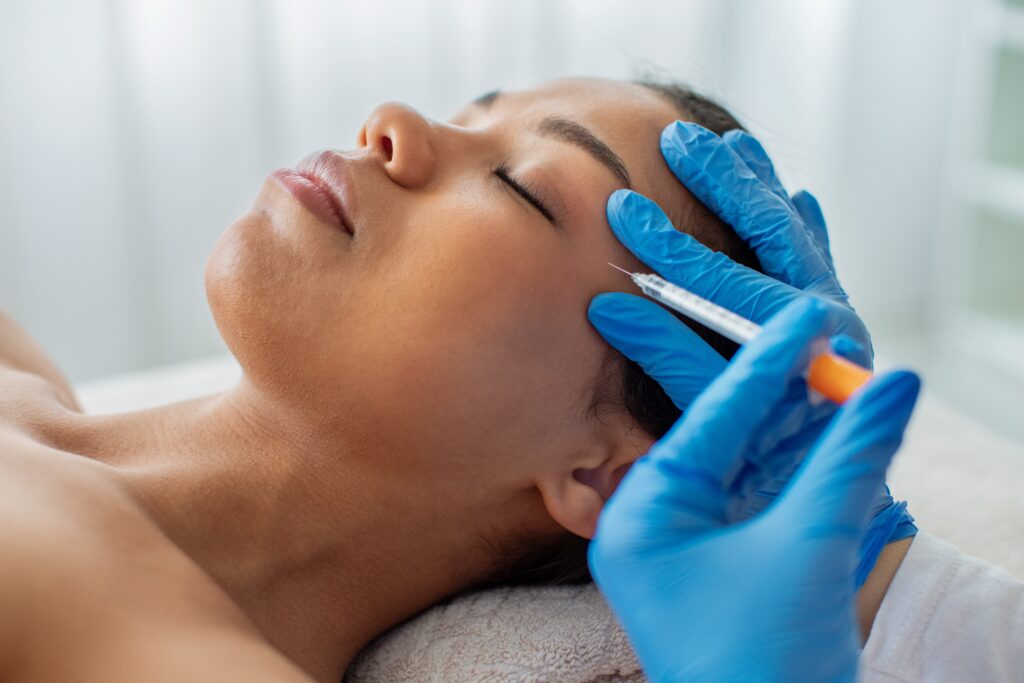
The actual injections are performed using a very fine needle, and each one takes only a second or two. Most appointments are finished in 10 to 20 minutes from the moment you sit down.

Gabrielle Basile, DNP, FNP-BC, a certified nurse practitioner at Golden State Dermatology in Walnut Creek, often hears the same reaction from first-time patients:

“The comment I hear most often after a first appointment is, ‘That was it?’ People come in expecting something dramatic or painful, and instead they spend more time talking with me than they do being injected. Once patients understand how quick and controlled the process is, the anxiety they had built up beforehand tends to drop significantly by their next visit.”

Does It Hurt? What Does a Wrinkle Relaxer Injection Actually Feel Like?

This is usually the first question patients ask, and the honest answer is that most people describe it as a quick pinch or a very brief sting. The needles used are extremely thin, much finer than the needles used for routine bloodwork or vaccines. Because each injection takes only a moment, any discomfort is over almost as soon as it begins. Many providers offer topical numbing, ice, or vibration tools to make the experience even more comfortable, especially for patients with significant needle anxiety.

How Do You Know If You Are Ready to Try a Wrinkle Relaxer?

Readiness is just as much emotional as it is physical. If you are curious but nervous, that is a completely normal place to be, and it does not mean you have to commit to anything.

A consultation at Calkin & Boudreaux Dermatology is a no-pressure conversation. You can ask every question on your mind, learn about the different options, and decide on your own timeline whether treatment feels right for you.

Taking the First Step Toward Feeling Comfortable With Injectables

Fear of wrinkle relaxer injections is normal, and it does not have to be the thing that keeps you from exploring a treatment you have been curious about for years. The reality of the appointment is almost always less intense than the version your imagination has been rehearsing.

A trusted dermatologist can walk you through every step, answer your questions honestly, and tailor the experience to your comfort level. Many patients are surprised at how manageable the process feels once they are actually in the chair.

If you have questions about your skin, schedule an appointment at Calkin & Boudreaux Dermatology today!

What You Should Know About Combining Botox with Dermal Fillers in the Same Session

Heading 2

Lorem ipsum dolor sit amet, consectetur adipisicing elit. Nostrum minus ea suscipit porro alias corporis libero at. Perferendis omnis, veniam nemo beatae vel? Tempora numquam a repellat eaque natus, magnam?

Heading 2

Lorem ipsum dolor sit amet, consectetur adipisicing elit. Autem ipsum mollitia neque, illum illo excepturi, eum incidunt fugit nostrum est, voluptate eaque minima corporis debitis at, dolores ipsam. Quaerat, dolores.

Heading 2

Lorem ipsum dolor sit amet, consectetur adipisicing elit. Autem ipsum mollitia neque, illum illo excepturi, eum incidunt fugit nostrum est, voluptate eaque minima corporis debitis at, dolores ipsam. Quaerat, dolores.

Heading 2

Lorem ipsum dolor sit amet, consectetur adipisicing elit. Autem ipsum mollitia neque, illum illo excepturi, eum incidunt fugit nostrum est, voluptate eaque minima corporis debitis at, dolores ipsam. Quaerat, dolores.

Heading 2

Lorem ipsum dolor sit amet, consectetur adipisicing elit. Autem ipsum mollitia neque, illum illo excepturi, eum incidunt fugit nostrum est, voluptate eaque minima corporis debitis at, dolores ipsam. Quaerat, dolores.

More patients than ever are asking about getting Botox and fillers done together, and it makes sense, since the two treatments address different aspects of facial aging that often show up at the same time. Combining them in a single session, sometimes called a “liquid facelift,” can deliver a more complete result than either treatment alone.

Knowing what to expect before you sit down in the chair makes the whole experience smoother. Keep reading for a clear breakdown of how these two treatments work, why they pair well together, and what your dermatologist at Calkin & Boudreaux will consider when creating your plan.

What’s the Difference Between Botox and Dermal Fillers?

Botox and fillers are both injectables, but they work in completely different ways. Botox is a purified protein that temporarily relaxes specific facial muscles, which softens the lines and creases that form when you squint, frown, or raise your brows. Fillers, by contrast, are gel-like substances, most commonly made from hyaluronic acid, a molecule your body already produces, that physically add volume beneath the skin.

Another way to think of it is: Botox addresses movement-related wrinkles, while fillers address volume loss and structural changes. Aging affects both of these things simultaneously, which is exactly why so many patients benefit from addressing them together.

Can You Get Botox and Fillers at the Same Appointment?

For most patients, the answer is yes. Combining both treatments in a single visit is a well-established, widely practiced approach that saves time and can lead to more cohesive results.

There are no general safety concerns with receiving both on the same day, provided your provider has reviewed your health history and confirmed you’re a good candidate for each. Your dermatologist will take stock of your goals, the areas you’d like addressed, and any factors such as medications or skin sensitivities that could affect how your skin responds.

Anne Zhuang, MD, FACMS, a board-certified dermatologist at Golden State Dermatology & Golden State Plastic Surgery, shares what that planning process looks like:

“When a patient comes in interested in both Botox and fillers, we take time during the consultation to map out exactly what we’re trying to achieve and where. The two treatments are doing very different things, so the plan has to account for both. We’re thinking about how the face moves, where volume has shifted over time, and how the results of each treatment will interact with the other. A thoughtful approach upfront is what makes the outcome feel balanced and natural rather than overdone.”

What Areas Are Typically Treated with Each?

Botox and fillers tend to work in different zones of the face, which is part of what makes them such a natural pairing.

Common areas for Botox:

  • Forehead lines
  • The “11s” between the brows (glabellar lines)
  • Crow’s feet at the outer corners of the eyes
  • Bunny lines along the nose
  • Lip lines and chin dimpling

Common areas for fillers:

  • Cheeks and mid-face volume
  • Lips
  • Nasolabial folds (the lines from nose to mouth)
  • Marionette lines (the lines from the mouth to the chin)
  • Under-eye hollows
  • Jawline and chin definition

Some patients may only need treatment in one zone, while others benefit from addressing both. Your provider will look at the full picture of your face, not just the areas you’ve flagged, to make sure the plan creates harmony rather than treating features in isolation.

What Are the Benefits of Combining These Treatments?

Addressing both dynamic wrinkles and volume loss in a single visit means you’re tackling the full range of changes that come with aging, rather than solving half the equation. The results tend to look more balanced because both contributing factors are being managed together.

From a practical standpoint, combining treatments also cuts down on the number of appointments you need, which means less time away from your schedule and less overall recovery to manage. Many patients find that a single well-planned session delivers results that feel more unified than two separate appointments done weeks apart.

Vanessa Parvez, PA-C, a certified physician assistant at Golden State Dermatology in Berkeley, explains the value of thinking about the face as a whole:

“When we treat the face in a comprehensive way, we’re not just addressing individual lines or areas — we’re restoring balance. Botox might relax the forehead beautifully, but if the mid-face has lost volume, the result can look incomplete. Combining treatments lets us work with the full picture. Patients often tell us they look refreshed but can’t quite put their finger on why, and that’s exactly what we’re going for — results that are noticeable without being obvious.”

Are There Any Risks or Considerations to Keep in Mind?

Combining treatments is safe for most people, but it’s worth going in with realistic expectations about the recovery side.

Because more areas of the face are being treated, bruising and swelling can be more noticeable than with a single treatment. This typically resolves within a few days to a week, and applying a cold compress and avoiding strenuous activity for 24 to 48 hours can help.

Certain medications, such as blood thinners and anti-inflammatory drugs like ibuprofen, can increase the risk of bruising, so it’s worth discussing what you take regularly with your dermatologist ahead of your appointment. Some health conditions may also affect whether one or both treatments are appropriate for you.

The most important consideration of all is the experience of your injector. Both Botox and fillers require a thorough understanding of facial anatomy, and results are highly dependent on technique. Choosing a board-certified dermatologist who regularly performs these treatments is the single most important step toward a safe, natural-looking outcome.

A Well-Rounded Approach to Facial Rejuvenation

Combining Botox and dermal fillers in a single session is one of the most effective non-surgical options available for addressing multiple signs of aging at once. When the two treatments are planned carefully and performed by an experienced dermatologist, the results can look remarkably natural.

The team at Calkin & Boudreaux takes a personalized approach to every injectable treatment, considering your unique facial structure, goals, and what will genuinely serve you best. A consultation is the best place to start.

If you have questions about your skin, schedule an appointment at Calkin & Boudreaux today!
RF Microneedling vs. Regular Microneedling: Which One is Right for You?

Heading 2

Lorem ipsum dolor sit amet, consectetur adipisicing elit. Nostrum minus ea suscipit porro alias corporis libero at. Perferendis omnis, veniam nemo beatae vel? Tempora numquam a repellat eaque natus, magnam?

Heading 2

Lorem ipsum dolor sit amet, consectetur adipisicing elit. Autem ipsum mollitia neque, illum illo excepturi, eum incidunt fugit nostrum est, voluptate eaque minima corporis debitis at, dolores ipsam. Quaerat, dolores.

Heading 2

Lorem ipsum dolor sit amet, consectetur adipisicing elit. Autem ipsum mollitia neque, illum illo excepturi, eum incidunt fugit nostrum est, voluptate eaque minima corporis debitis at, dolores ipsam. Quaerat, dolores.

Heading 2

Lorem ipsum dolor sit amet, consectetur adipisicing elit. Autem ipsum mollitia neque, illum illo excepturi, eum incidunt fugit nostrum est, voluptate eaque minima corporis debitis at, dolores ipsam. Quaerat, dolores.

Heading 2

Lorem ipsum dolor sit amet, consectetur adipisicing elit. Autem ipsum mollitia neque, illum illo excepturi, eum incidunt fugit nostrum est, voluptate eaque minima corporis debitis at, dolores ipsam. Quaerat, dolores.

Microneedling has become one of the most popular skin treatments available today. It delivers real, visible results with minimal downtime and works for a wide range of skin concerns. If you’ve been exploring your options, you’ve likely come across both traditional microneedling and RF microneedling and wondered what actually sets them apart.

Both treatments share the same foundation, but they work differently and tend to shine in different situations. Keep reading to learn more about each option clearly so you can walk into your consultation already feeling informed.

Continue reading “RF Microneedling vs. Regular Microneedling: Which One is Right for You?”

What Happens During a Professional Anti-Aging Firming Facial Treatment?

Heading 2

Lorem ipsum dolor sit amet, consectetur adipisicing elit. Nostrum minus ea suscipit porro alias corporis libero at. Perferendis omnis, veniam nemo beatae vel? Tempora numquam a repellat eaque natus, magnam?

Heading 2

Lorem ipsum dolor sit amet, consectetur adipisicing elit. Autem ipsum mollitia neque, illum illo excepturi, eum incidunt fugit nostrum est, voluptate eaque minima corporis debitis at, dolores ipsam. Quaerat, dolores.

Heading 2

Lorem ipsum dolor sit amet, consectetur adipisicing elit. Autem ipsum mollitia neque, illum illo excepturi, eum incidunt fugit nostrum est, voluptate eaque minima corporis debitis at, dolores ipsam. Quaerat, dolores.

Heading 2

Lorem ipsum dolor sit amet, consectetur adipisicing elit. Autem ipsum mollitia neque, illum illo excepturi, eum incidunt fugit nostrum est, voluptate eaque minima corporis debitis at, dolores ipsam. Quaerat, dolores.

Heading 2

Lorem ipsum dolor sit amet, consectetur adipisicing elit. Autem ipsum mollitia neque, illum illo excepturi, eum incidunt fugit nostrum est, voluptate eaque minima corporis debitis at, dolores ipsam. Quaerat, dolores.

Skin naturally loses firmness and elasticity over time, and no amount of moisturizer or serum can fully replicate what a professional treatment can do. A growing number of patients are turning to anti-aging firming facials as a way to address visible changes like sagging, fine lines, dullness, with something more targeted than a typical at-home routine.

Keep reading to learn exactly what an anti-aging firming facial involves, what to expect from the experience, and how to know whether it might be right for your skin.

Continue reading “What Happens During a Professional Anti-Aging Firming Facial Treatment?”